
Lip Gloss Manufacturer Selection Guide for Private Label Beauty Brands
-

 author
14th August 2026
author
14th August 2026
A private label beauty brand should choose a lip gloss manufacturer by looking at the product as one connected system: formula, shade, applicator, tube, decoration, and outer packaging. A strong development partner can translate a creative direction into samples that feel coherent, function reliably, and remain consistent as the concept moves toward production. BAOLISHI supports lip gloss development through stock, OEM, and ODM routes, with customization options spanning formula, color, fragrance, product form, tube, logo, and packaging.
Why Lip Gloss Manufacturer Selection Shapes Product Identity
Lip gloss may appear simple, yet its character depends on several details working together. Viscosity affects glide and pickup, pigment influences visual depth, and the relationship between the wiper and applicator changes how much product reaches the lips. Manufacturer selection therefore has a direct effect on both product identity and everyday use.
A beauty brand may begin with a mood, finish, shade family, or packaging reference. The manufacturer’s role is to turn that direction into a technically workable concept without losing the intended aesthetic. Early conversations are most useful when they connect sensory goals with component choices rather than treating formula and packaging as separate decisions.
What Defines a Well-Developed Lip Gloss
Texture, Finish, and Wear Experience
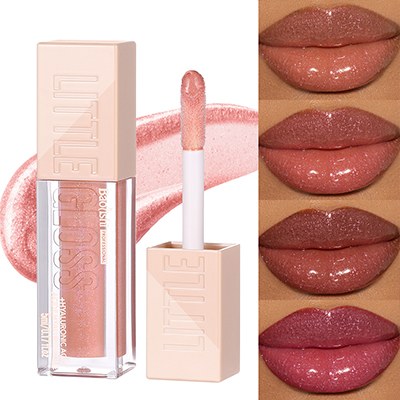
A well-developed gloss should express a clear sensory idea. It might emphasize a glass-like shine, a soft tint, visible shimmer, or a cushioning feel, but every choice should support the same positioning. During sample refinement, texture, spread, tack, scent, appearance, and applicator pickup should be reviewed together.
The intended user experience also guides shade development. A translucent color behaves differently from an opaque or shimmer-heavy result, while the same shade can look different under various lighting conditions. Physical samples make these differences easier to assess than screen references alone.
Formula and Packaging Compatibility
The formula must suit the tube, wiper, wand, and closure. A component that looks attractive may deliver too much or too little product if its internal geometry does not match the formula. Compatibility review should consider filling appearance, closure, wiping action, applicator pickup, seepage, and the conditions the finished gloss may encounter during storage and transport.
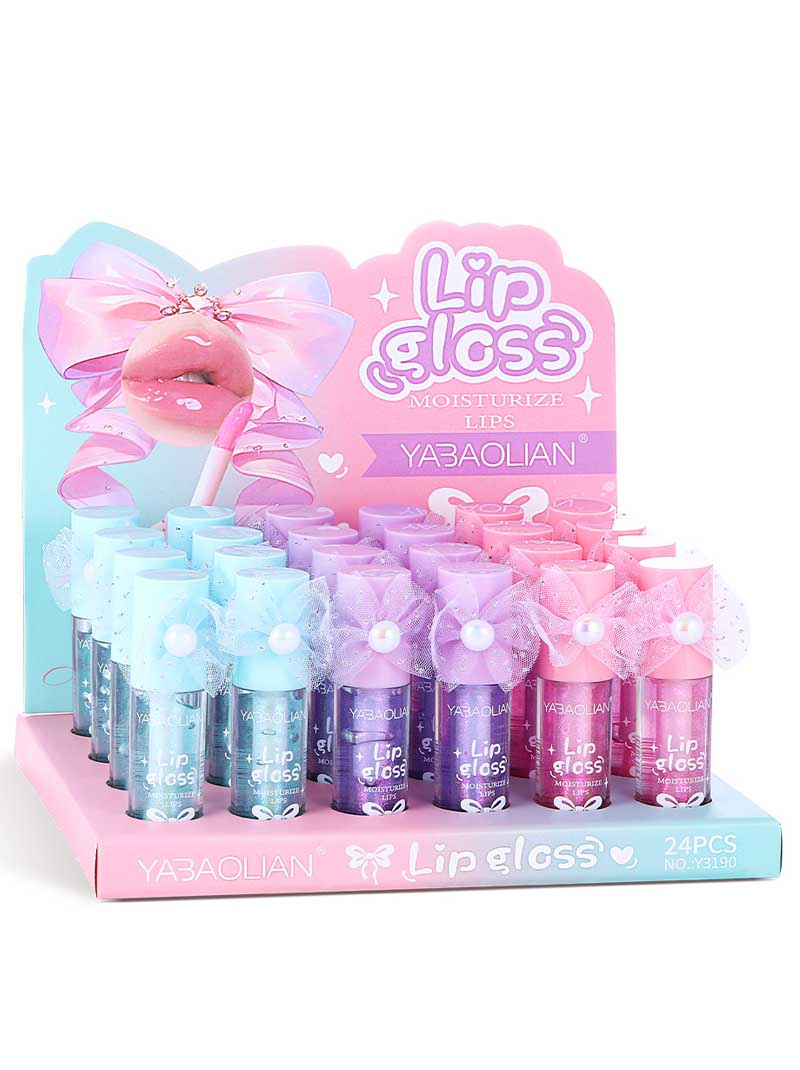
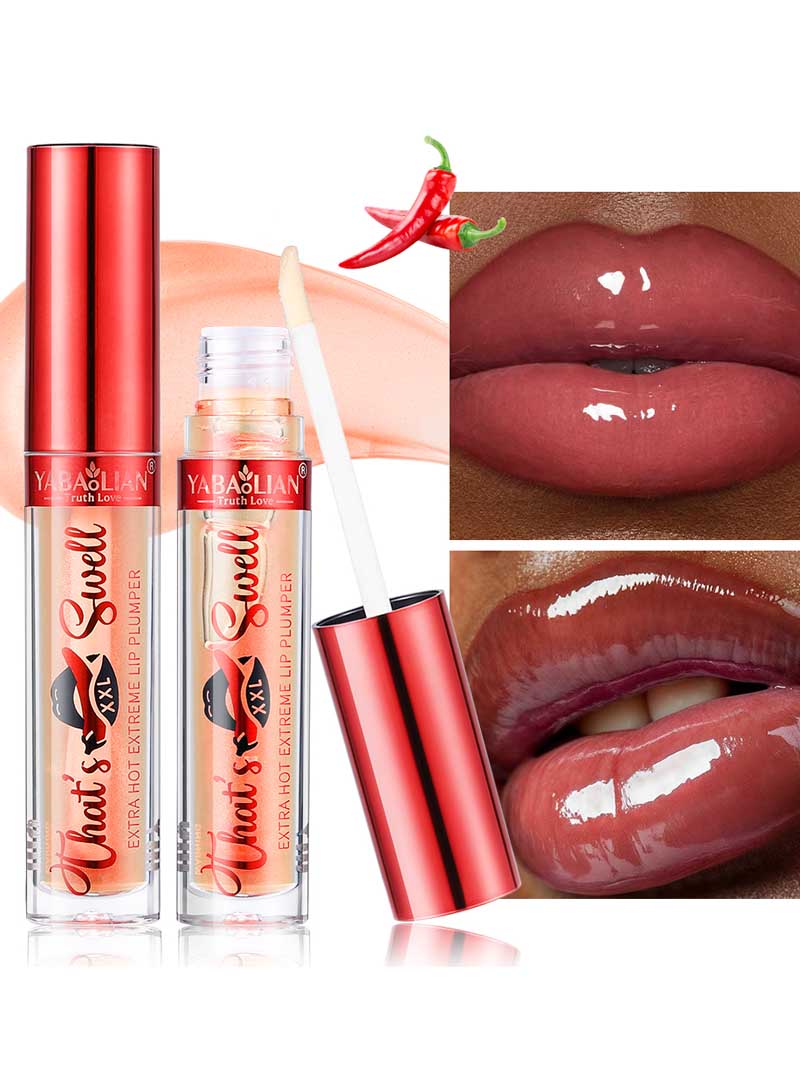
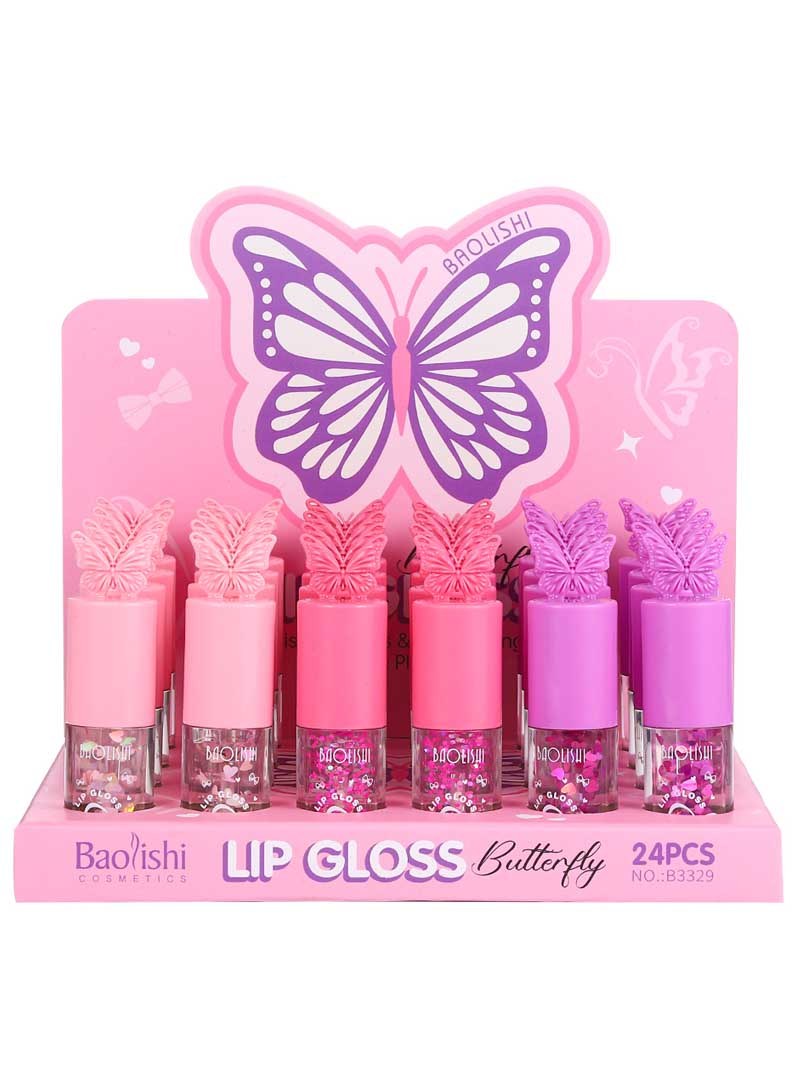
Exploring the BAOLISHI lip gloss collection can help define a starting direction for finish, component shape, and visual style. The collection is most useful as creative context; the final combination still needs to be confirmed through sample review.
How Private Label Lip Gloss Moves from Concept to Sample
Create a Focused Product Direction
A focused concept gives development a clear center. Useful details include the desired finish, color family, fragrance direction, texture, applicator feel, tube silhouette, decoration style, carton structure, and overall brand mood. References should clarify the idea while leaving room for technical adjustments when formula and component choices interact.
Refine the Physical Sample
Sample review is where a broad concept becomes a specific product. Each round should be assessed against the same criteria, with revisions recorded clearly so color, scent, texture, and packaging changes do not become confused. Once a sample is confirmed, it becomes the practical reference for the finished product.
BAOLISHI includes sample confirmation before mass production within its OEM and ODM development routes. A change to the formula, applicator, tube, or decoration after confirmation may affect other parts of the product, so the revised combination should be reviewed as a complete system.
Stock, OEM, and ODM as Different Development Paths
Stock Products for a Defined Starting Point
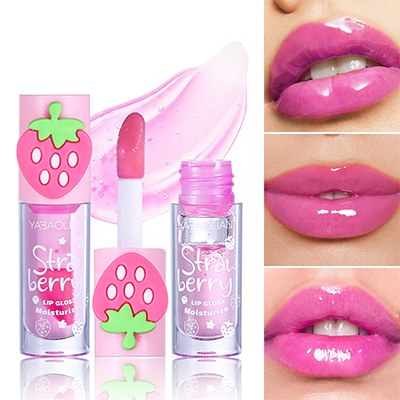
Stock products may be suitable when a brand wants to work from an existing product direction. This path can reduce the amount of formula development involved and allows attention to shift toward shade curation, visual presentation, and brand storytelling. Available product and packaging combinations can vary, so the creative concept should be shaped around the options currently offered.
OEM and ODM for Deeper Customization
OEM is a natural fit when the brand already has a developed product direction and needs manufacturing support. ODM is useful when the concept still benefits from broader formulation or packaging development. Both paths can support differentiation, but ODM generally involves more collaborative refinement before the product identity is settled.
The broader BAOLISHI customization capabilities provide context for how formula, color, fragrance, product form, tube, logo, and packaging can be considered within one development process. The most coherent results come from making these choices around a single, clearly defined brand position.
Build a Coherent Lip Product Story
Lip gloss rarely exists in isolation within a beauty range. Its shade language, finish, packaging, and naming can connect with lip oil, lipstick, lip liner, or lip balm to create a recognizable family. A manufacturer with experience across related formats can help a brand think beyond a single item while maintaining a consistent visual and sensory direction.
Reviewing the BAOLISHI lip product categories can support this wider planning process. The aim is not to make every product identical, but to establish repeatable cues such as coordinated shades, related finishes, or a shared packaging language.
Conclusion
Choosing a lip gloss manufacturer is ultimately a product-development decision. Formula, shade, applicator, tube, decoration, and packaging should express one idea and function as one system. With stock, OEM, and ODM options, BAOLISHI can support different levels of development when its available capabilities match the brand’s intended product identity.
FAQ
Q: What makes a lip gloss formula suitable for private label development?
A: A suitable formula has a clear sensory and visual direction that can be evaluated through physical samples. Texture, shine, tint, shimmer, scent, spread, tack, and applicator pickup should support the same concept. The formula also needs to work with the selected tube, wiper, wand, closure, decoration, and intended label claims.
Q: Can BAOLISHI customize lip gloss color, fragrance, and packaging?
A: BAOLISHI supports customization of formula, color, fragrance, product form, tube, logo, and outer packaging. The most effective development process begins with a focused creative direction, followed by physical sample review. Available combinations depend on the selected product and components, so each element should be assessed as part of the complete lip gloss system.
Q: How do stock, OEM, and ODM lip gloss differ?
A: Stock lip gloss begins with an existing product direction and can suit brands that prefer a more defined starting point. OEM supports a concept that is already substantially developed, while ODM adds broader development input for formula or packaging refinement. The right path depends on how distinctive the concept is and how much development it still requires.
Q: Why should lip gloss formula and packaging be reviewed together?
A: Formula viscosity and component geometry influence wiping action, applicator pickup, closure, filling appearance, and possible seepage. A tube may look appropriate yet perform differently with another texture or wand. Reviewing the filled sample as a complete system helps preserve the intended application experience and ensures that the packaging supports the product rather than competing with it.