
Liquid Blush vs. Cream Blush: How Beauty Brands Choose the Right Formula for Every Skin Type
-

 author
24th September 2026
author
24th September 2026
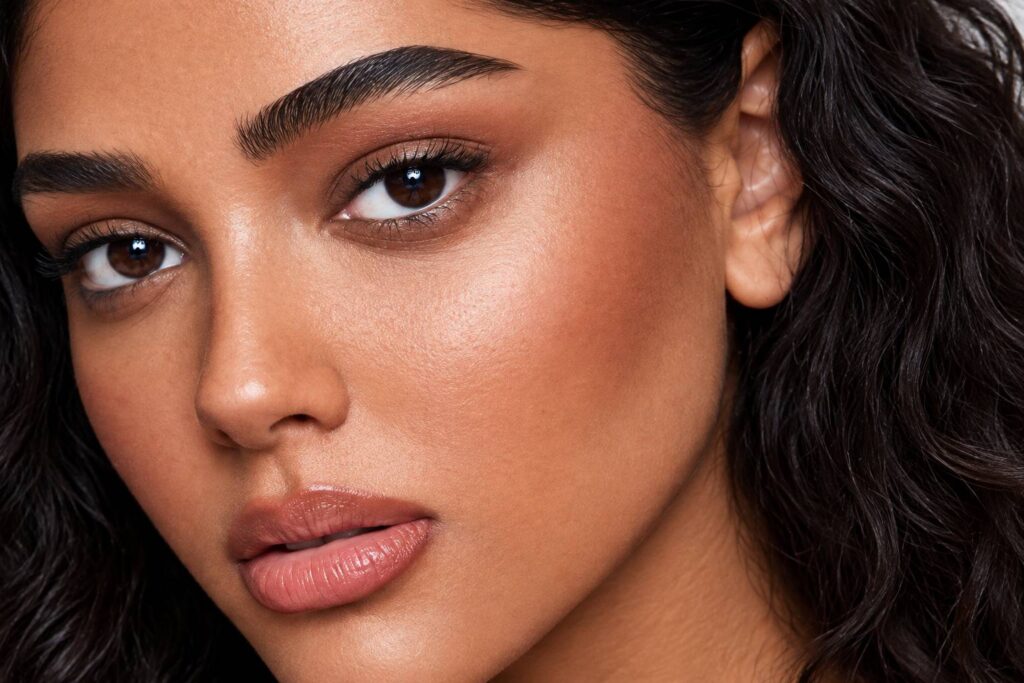
When a brand wants to create a product with buildable color that can blend into combination or oily skin, liquid blushes can make great choices. Cream blushes are especially valuable when lots of moisture and cushioning are needed for smooth skin. And for easy, day-after-day application and control, powder blushes can’t be beat. The best choice for any one product depends on several factors, including skin feel, skin finish, the type of application that will be given to it, and how it will fit into the rest of the complexion products in that line.
What Makes Liquid Blush Different
Watery Texture and a Dewy Finish
Liquid blushes have a very fluid consistency in comparison to the typical compact blush. They can be applied in a very thin layer and allow for quick spreading before the color sets into the skin. Liquid blushes are perfect for achieving a very sheer wash of color as well as creating layering effects to enhance a natural skin tone. In terms of product formulation, liquid blushes provide a unique characteristic that can set a brand apart from a typical pressed powder blush.
Liquid texture requires thoughtful packaging and user instruction. Products with liquid texture should be packaged with a dropper, doe-foot applicator, or other controlled dispensing system to prevent excess product from pouring onto the cheek. Highly pigmented liquid products should be applied in small doses that can be easily blended before additional product is added. A small amount of product should be applied first and blended before adding more.
Pigment Strength and Blendability
Vibrant but not patchy is key. The best liquid blusher leaves a visible stain but still offers room for a final fine-tuning with a brush, sponge, or even your fingertips. When it comes to highly pigmented liquid blusher formulas that blend easily, the correlation of pigment to slip to dry down is far more relevant than a brightly colored swatch.
Blush at BAOLISHI can be presented as a variety of different products, including matte, pearlescent, powder, cream and liquid versions. This means the products can be developed to form part of a complete makeup range by a brand and not all be confined to one finish.
Match the Formula to the Skin Type
Why Liquid Blush Works Well for Combination and Oily Skin
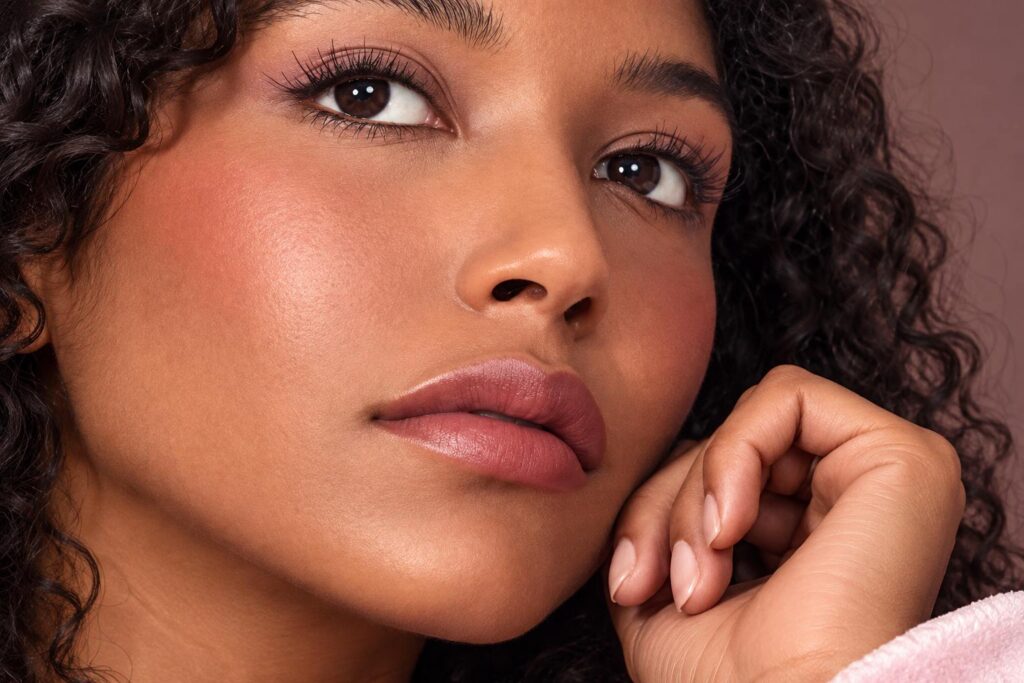
People with oily skin looking for the best liquid blush for oily skin often want a light-looking color that won’t add a thick, waxy layer on top of their skin. A fluid liquid blush is perfect because it looks thin when you apply it and dries to a nice finish. It is also great for combination skin because it provides cheek color without feeling too heavy, unlike a thicker cream product.
The finish of liquid makeup is determined by the base makeup, the amount of product used, and the desired finish: matte, natural, or luminous. When referring to liquid makeup, product copy should explain the intended oil-control properties rather than simply using the term “liquid.”
When Cream Blush Is Better for Dry and Mature Skin
There’s a reason cream blushes are so popular – not only do they feel moisturizing and comfortable to wear, but they also melt into dry skin, unlike powder blushes that can look obvious on mature skin due to their texture. Even for those who like to warm up product between their fingertips before applying to the apples of their cheeks, cream blushes feel so familiar and wearable.
When comparing liquid blushes to cream blushes for mature skin, the most important thing is how the product’s finish interacts with the skin’s texture. Even a liquid blush will work beautifully if it is thin and flexible enough, but a cream blush can provide a lot of cushion for someone looking for very soft skin, even if they typically prefer products that feel weightless on their skin. The best range would likely include both and describe products by finish rather than age.
Where Powder Blush Still Has a Practical Advantage
While powder blush is not as easily mixable as liquid or cream cheek products, it can still be mixed easily to provide customers with a predictable wash of color. It is also easy to build up coverage with a brush and is a very familiar product to retail displays. A matte powder can set the visual direction of a range, while a pearlescent powder can add dimension to the face without altering the base formula of the product.
Turn Blush Texture into a Stronger Product Line
Using Multi-Use Blush for Cheek, Eye, and Lip Looks
A multi-use blush appeals to customers who want fewer makeup products and a cohesive color palette. A formula that feels nice between the fingers and offers lots of wear while still looking gorgeous when applied lightly or built up is highly desirable. A single shade can be showcased in numerous editorial features, and how-to stories supporting a single color Cheeks, Eyes and Lips look without making a product look too repetitive.
Balancing Matte, Pearlescent, and Natural Finishes
A good blush line gives reason to offer more than one finish of color. Matte colors are great for a more sculpted look or for a very casual, natural look. Pearlescent colors bring light to the high points of the cheeks. A natural finish provides great everyday makeup. In photography, the finish of the blush should be obvious. In the description, it should be explained in plain terms to customers.
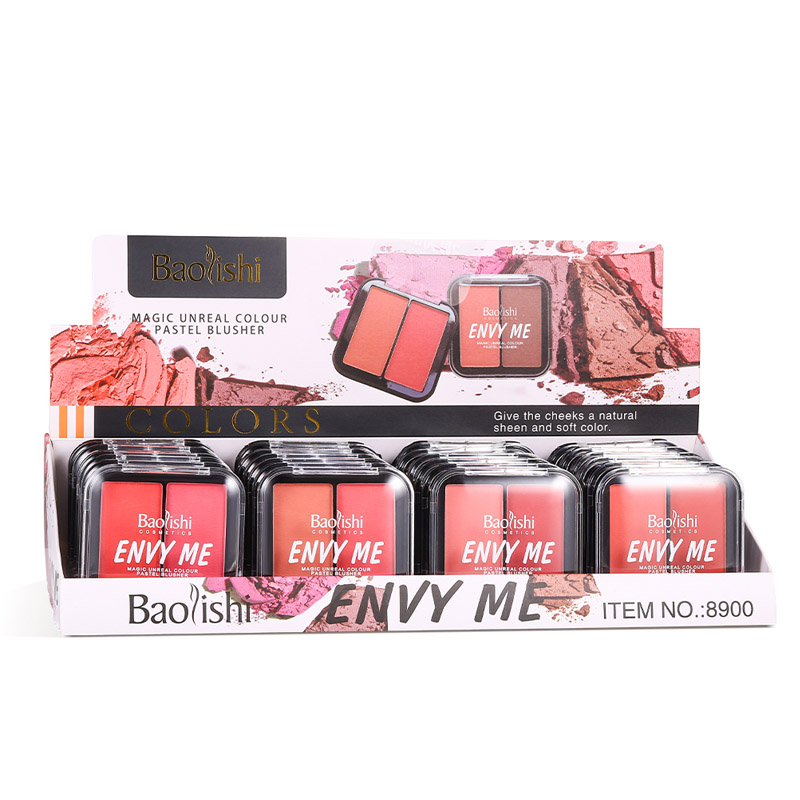
BAOLISHI product 8900 is described as a 2-in-1 face blusher with matte cheek tint, brightening, waterproof, and face-contouring positioning. Therefore, this product can be added to the existing product architecture for a range focused on practical cheek definition, but the specific product claims must remain on the individual product page and be relevant to the intended use of the product.
Connect Formula, Color, and Packaging
Designing Shades Around Real Makeup Habits
When selecting shades for your blush palette, start with how you think your customer will wear the shade as opposed to selecting based on the color wheel. We position soft peach, warm rose, berry and terracotta shades around everyday, romantic, editorial and sculpted looks. Also, note that a single shade can perform in a vastly different way in liquid, cream, and powder formulas – swatches should indicate the level of opacity, finish, and how long it takes for the product to blend.
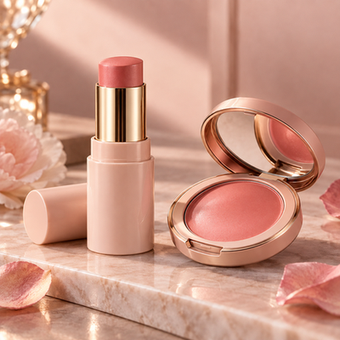
The packaging should reinforce the formula. For a liquid blush, controlled dispensing is crucial. For a cream blush, a compact or pot packaging that feels clean and is easy to use is preferred. A blush stick is portable if it delivers as promised in terms of payoff and glide.
Why Waterproof Claims Need Clear Product Positioning
While ‘waterproof’ can be a relevant search term, it is not a sufficient explanation of how a product is intended to wear. A customer asking about the waterproof performance of makeup is likely to be concerned with the product’s performance in a variety of scenarios, including humidity, light perspiration, tears, and general transfer throughout the day. As such, claims must be fully explained and connected to the individual product and not assumed to apply to the entire category.
A practical brief for a private label blush formula would detail the finish, application, shade intensity and packaging, and the specific claims that can be made about the product. This ensures the product appears attractive in search results and helps to build trust with retailers and customers in your own private label range.
Conclusion
A liquid blush is not necessarily the best blush for every customer. While liquid blushes are great for a light and buildable natural dewy look, cream blushes offer more comfort and moisture while powder blushes offer more control and routine reliability. BAOLISHI serves as a foundation for comparing these different directions and building a full cheek color collection.
Explore BAOLISHI products to find the right texture, finish, and application for your target market.
FAQ
Q: Is liquid blush better than cream blush for oily skin?
A: Liquid blushes work well for oily or combination skin because they can be applied very lightly and still have color, compared to a thicker cream product. The base makeup, finish of the product, and amount applied will have lots of impact on how the product looks on skin, so product descriptions should reflect the intended finish of the product rather than false promises of oil control for all skin types.
Q: What is the best liquid blush for mature skin?
A: For mature skin, one wants a product that won’t draw attention to itself, i.e., won’t look too harsh. A lightweight, flexible liquid blush in a liquid format would be best; it provides a natural, smooth, thin “film” of color. A cream blush provides cushion and moisture as well as a softly radiant appearance but may feel too heavy for some women.
Q: Can one blush be used on the cheeks, eyes, and lips?
A multi-use blush can also create coordinated Cheek, Eye, and lip looks. This would depend on the product formula, feeling smooth enough and blending easily enough to apply comfortably in each area. Our multi-colored blush, The Multiple, is described by BAOLISHI as silky to the touch and easy to blend. However, multi-area positioning would remain specific to this product and its intended use.
Q: What should brands consider when developing a liquid blush private label formula?
A strong brief outlines the key parameters such as finish, intensity of color, application time, method of application, packaging, shade family, and supporting claims. Additionally, where the product sits in relation to a cream, powder, or stick product and how BAOLISHI sits in relation to that line of products.