


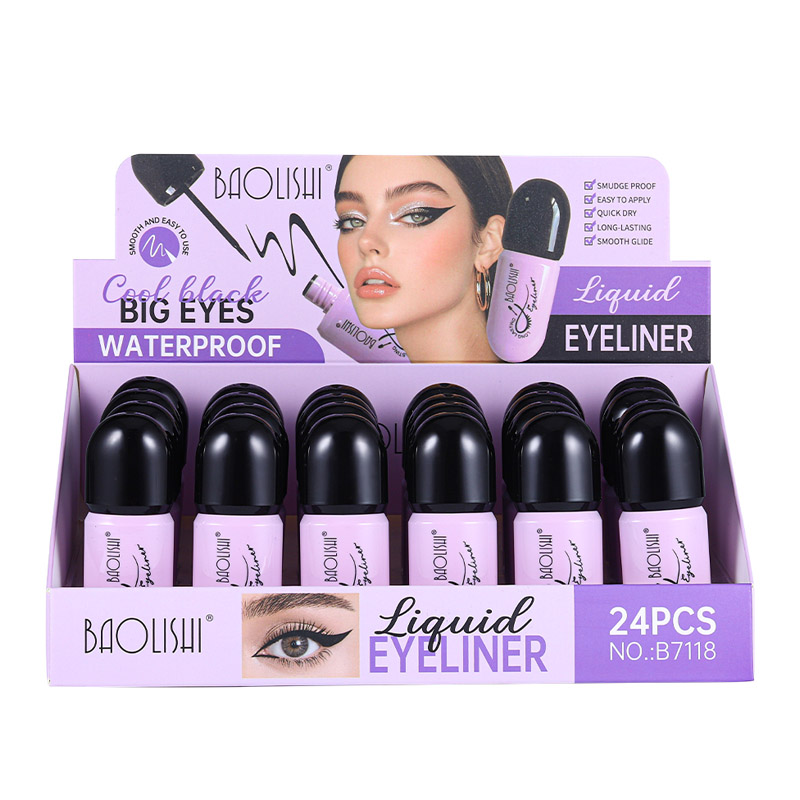
Waterproof eyeliner stays sharp on oily lids when the formula dries into a stable film, pigment applies evenly, and the tip gives control to keep the line away from excess oil. The result depends on formula, tip design, dry-down speed, and application area. Outer-lash eyeliner, the waterline, and a soft pencil look each require a different balance of precision and comfort.
For beauty brands, a waterproof eyeliner range works best as a system rather than one universal pen. Customers want a clean line, predictable handling, and easy removal.
Why Waterproof Eyeliner Still Smudges
Water, Sweat, Oil, and Transfer
Waterproof claims address resistance to water, but real eyelid wear can also involve sebum, perspiration, blinking, rubbing, and transfer from the upper lid to the crease. If a formula remains tacky for too long, it may move before it forms a stable film. If the film becomes brittle or the pigment is uneven, the line can crack or wear away in small sections.
A useful evaluation looks at the full application sequence: smooth writing, even color, practical dry-down, and comfort once set. Those qualities matter as much as the word waterproof when customers compare a liquid eyeliner online.
Outer Eyeliner and Waterline Wear Are Different
The outer lash line gives a product room to create a defined shape, including a wing or fine lifted tail. The waterline has closer contact to the eye surface and needs careful positioning. A product that works well for an outer line should not automatically be described as the best waterproof eyeliner for waterline use without specific support.
Compare Liquid, Gel, and Pencil Formats
Liquid Eyeliner for Fine and Defined Lines
Liquid eyeliner suits crisp definition because a fine brush or precision tip can create a narrow line with a clean edge. It also supports graphic shapes and a polished finish. The trade-off is that the user needs a steady hand and a formula that does not skip, flood, or dry unevenly.
BAOLISHI B7118 is described as waterproof and long-lasting with an ultra-fine brush. That combination gives it a clear role in a collection built around precise outer-lash application. View the BAOLISHI B7118 waterproof liquid eyeliner when evaluating how a fine tip can shape the product experience.
Gel Eyeliner for Controlled Inner-Lash Application
Gel eyeliner generally offers a softer, more controllable feel than a fast-drying liquid. It can be useful for close-to-the-lash application, blended definition, and natural looks where a hard edge is not the goal. Because the texture is more workable, the formula and container should help users avoid dragging or depositing too much product.
Pencil Eyeliner for Softer Everyday Looks
Pencil eyeliner suits customers who want a quick line, a smudged edge, or a familiar application method. It layers easily into natural looks and can complement a liquid liner used only on the upper lash line, especially in a travel-oriented collection.
What Makes a Waterproof Eyeliner Easier to Use
Fine Brush Design and Line Control
Tip design affects the line before the formula has a chance to show its strengths. An ultra-fine brush can support narrow strokes and tapered ends, while a slightly more flexible tip may feel easier for users who are still learning winged liner. The best choice depends on the intended look and the amount of control the packaging can provide.
A tip should return to its shape after use and pick up enough product for a continuous stroke. If it is too dry, the line skips; if overloaded, product can spread beyond the intended path.
Quick-Dry Texture and Pigment Uniformity
Quick-drying eyeliner can help reduce transfer on oily eyelids, but speed alone is not the goal. The user needs enough working time to connect the line, while the formula must set before blinking and crease contact causes movement. Pigment uniformity also matters: a black line that becomes gray or patchy after one pass feels less reliable even if it is technically long-lasting.
BAOLISHI B7119 is described as quick-drying and waterproof with a natural makeup effect. B7107 is described as smooth, quick-drying, and long-lasting. These different directions show why a range can separate natural definition from a more precision-focused hero product.
How BAOLISHI B7118, B7119, and B7107 Represent Different Directions
B7118 fits a fine-brush story centered on a defined line. B7119 can support a quick-dry, natural makeup story, while B7107 can sit within a smooth and long-lasting everyday direction. Presenting the products this way gives customers a reason to compare them by use case instead of forcing every product into the same waterproof eyeliner promise.
The broader BAOLISHI eyeliner collection can also be considered alongside pencil and multi-use formats, helping a brand build a more complete eye category.
Balance Long Wear with Eye-Area Comfort
Ingredient and Safety Review
The eye area demands careful review of formula feel, pigment dispersion, packaging cleanliness, and application control. A product page should describe the intended use accurately and avoid broad sensitive-eye or waterline claims unless those claims are specifically supported for the product. Comfortable application is a design goal, not a substitute for appropriate safety substantiation.
Why Easy Removal Matters
Long-lasting eyeliner should still have a practical removal routine. Customers may accept strong wear during a long day, but they do not want to scrub aggressively or repeatedly drag the delicate eye area. Product education can therefore explain that removal should be gentle and suited to the formula, without weakening the main benefit of a stable line.
How to Handle Waterline and Sensitive-Eye Claims Carefully
Search terms such as waterproof eyeliner for sensitive eyes and best waterproof eyeliner for waterline carry higher expectations. A responsible brand separates general comfort language from specific suitability claims and describes the application area, formula behavior, and usage limits accurately.
Build a Practical Eyeliner Collection
Hero Liquid Liner and Supporting Pencil Formats
A hero liquid liner can attract customers searching for a sharp, long-lasting eyeliner, while a pencil or gel format can bring in users who want a softer daily look. This structure makes the collection easier to merchandise and gives customers a clear progression from beginner-friendly control to more precise artistry.
Using a Multi-Use Pen for Travel and Touch-Ups
BAOLISHI also offers a 4-in-1 Makeup Pen positioned for eyeliner, lip liner, brow pencil, and highlighter use, with a compact travel design. It does not replace a dedicated liquid eyeliner, but it can add practical value to a portable collection. The key is to explain the convenience benefit without presenting a multi-use pen as identical to a precision liquid format.
Match Tip, Formula, and Packaging to the Brand Position
Packaging should make the intended use obvious before the customer reads every detail. A slim precision pen suggests a fine line, a flexible brush suggests controlled definition, and a pencil suggests familiar everyday use. When those signals match the formula, the product feels easier to choose and more coherent in a retail display.
Conclusion
The best waterproof eyeliner for oily lids is built around a stable film, even pigment, usable dry-down time, and a tip that supports the intended line. Outer-lash definition, waterline application, and soft everyday wear should be described as different use cases. BAOLISHI offers several eyeliner directions that can help brands connect formula behavior with real makeup routines.
Explore the BAOLISHI product range to plan an eye collection with clearer roles for precision, natural definition, and travel convenience.
FAQ
Q: What is the best smudge-proof eyeliner for oily eyelids?
A: Look for a formula that applies evenly, dries into a stable film, and is paired with a tip that gives controlled placement. Oily lids can still cause transfer if the line remains tacky or is applied too heavily. A fine liquid liner may suit crisp outer-lash definition, while pencil or gel can support softer looks.
Q: Is waterproof eyeliner suitable for the waterline?
A: A waterproof claim alone does not confirm waterline suitability. The waterline is a sensitive application area, so product copy should only make that recommendation when the specific formula and intended use support it. Otherwise, describe the product for outer-lash definition and avoid implying testing or safety evidence that is not established.
Q: How can waterproof eyeliner last longer without looking heavy?
A: Apply the product in moderation, ensure that the line is kept near the root of the lashes, and select a brush tip that can achieve the desired thickness in one or two strokes. The use of a fast-drying product with even pigmentation will help avoid multiple applications.
Q: What should brands look for in an eyeliner manufacturer?
A: Evaluate formula direction, pigment consistency, tip control, dry-down behavior, packaging fit, and removal experience. Separate supported product claims from broad category language. BAOLISHI offers several eyeliner formats that can be compared by application role rather than one headline benefit.
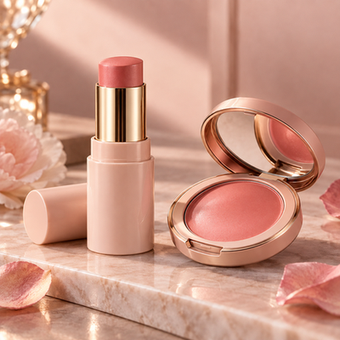
A blush stick works because modern makeup buyers want color that is fast, touchable, and easy to use across cheeks, lips, and sometimes eyes. For beauty brands, cream color products create a practical bridge between playful trend makeup and everyday routines. BAOLISHI‘s blush range gives brands useful examples of multi-use blush, waterproof wear positioning, and private label color development without needing to overcomplicate the category.
Why Blush Stick Products Feel Modern
The rise of blush stick and cream blush products is tied to how people actually apply makeup now. Many customers want products they can blend with fingers, carry in a bag, and use without a full brush set.
That behavior favors soft sticks, creamy pans, and sheer-to-buildable textures. It also explains why multi-stick blush has moved from a niche item into a core product idea for brands that want a more flexible color line.
A blush palette still matters for artistry and shade variety, but a stick or cream format feels more direct. It offers the feeling of a quick complexion refresh, which is exactly why cheek color keeps performing well in daily beauty routines.
Blush Stick Strategy Starts With Use Cases
A blush stick should not be planned only as a pretty shade in convenient packaging. The stronger product brief asks when the customer reaches for it: morning makeup, travel, touch-ups, natural makeup, monochrome looks, or cheek-and-lip coordination.
BAOLISHI’s heart-shaped blush is positioned as a versatile product that can work as eyeshadow, lipstick, and blush. It is described as a cream formula that transforms into a semi-matte powder finish, with lightweight, buildable application and a natural finish. That makes it a useful reference for multi-use blush for cheeks and lips.
The point is not to make one product do everything loudly. It is to make one color product useful enough that the customer naturally keeps it nearby.
Cream Texture Changes the Color Experience
Cream blush has a different emotional feel from powder. It can look closer to skin, blend softly around foundation, and create a fresher finish when the formula is not too greasy or too dry.
For a cream blush stick for natural makeup, buildability is especially important. A customer should be able to tap on a sheer layer, then add more color without creating edges that are difficult to soften.
BAOLISHI’s heart-shaped blush description points to a sheer cream formula that blends into skin and can be used as a cheek and lip tint. Those details help brands think about the sensory side of the product, not only the shade name.
Multi-Use Color Needs Careful Boundaries
Multi-use makeup sells a simple idea, but the product still needs a clear identity. A stick that claims cheeks, lips, and eyes should have a texture, color payoff, and finish that make sense across those uses.
Soft rose, peach, coral, and berry tones often work well because they can read as complexion color rather than a dramatic accent. Deeper shades may need a more controlled payoff so they blend evenly on fair, medium, and deep skin tones.
BAOLISHI’s blush page includes skin tone options from fair and light through medium, medium dark, dark, and deep for its B89334 blush. That range language is useful for brands planning how blush colors appear across different complexions without making unsupported performance claims.
Waterproof Blush Has Everyday Value
Waterproof blush for daily makeup does not need to sound extreme. In real routines, customers want cheek color that survives humidity, long commutes, light perspiration, and layered base makeup without disappearing too quickly.
BAOLISHI’s 8900 blush is positioned as a 2-in-1 face blusher matte cheek product, with a powder formulation, three-dimensional contour feature, waterproof and long-lasting advantage, and OEM ODM private label service. That gives brands a second blush direction: less dewy, more matte, and more structured for contour-friendly cheek color.
A complete blush story can therefore include both cream and powder ideas. The cream product can own freshness and easy blending, while a matte powder or contour-friendly product can support definition and longer wear positioning.
Packaging Should Match the Routine
How to choose blush colors for a beauty line is partly a shade question, but packaging changes how the shade is used. Sticks invite touch-ups, pans feel more classic, and palettes support variety and artistry.
For private label blush, packaging should follow the product promise. A portable blush stick can support quick application and casual routines; a blush palette can hold a more edited wardrobe of shades; a single cream blush can feel focused and premium.
BAOLISHI allows customer logo application on the B89334 blush and presents OEM ODM private label service on blush products. Brands can use that flexibility to align color, format, and visual identity while keeping the product concept grounded in everyday use.
Conclusion
A blush stick is more than a convenient format; it is a response to how customers want color to behave now. The strongest blush lines combine cream texture, buildable payoff, skin-tone awareness, waterproof or long-wear positioning where it fits, and packaging that supports real routines.
Explore BAOLISHI blush products to build a cheek color line that feels easy to use, visually fresh, and commercially focused.
24th September 2026
Liquid Blush vs. Cream Blush: How Beauty Brands Choose the Right Formula for Every Skin Type
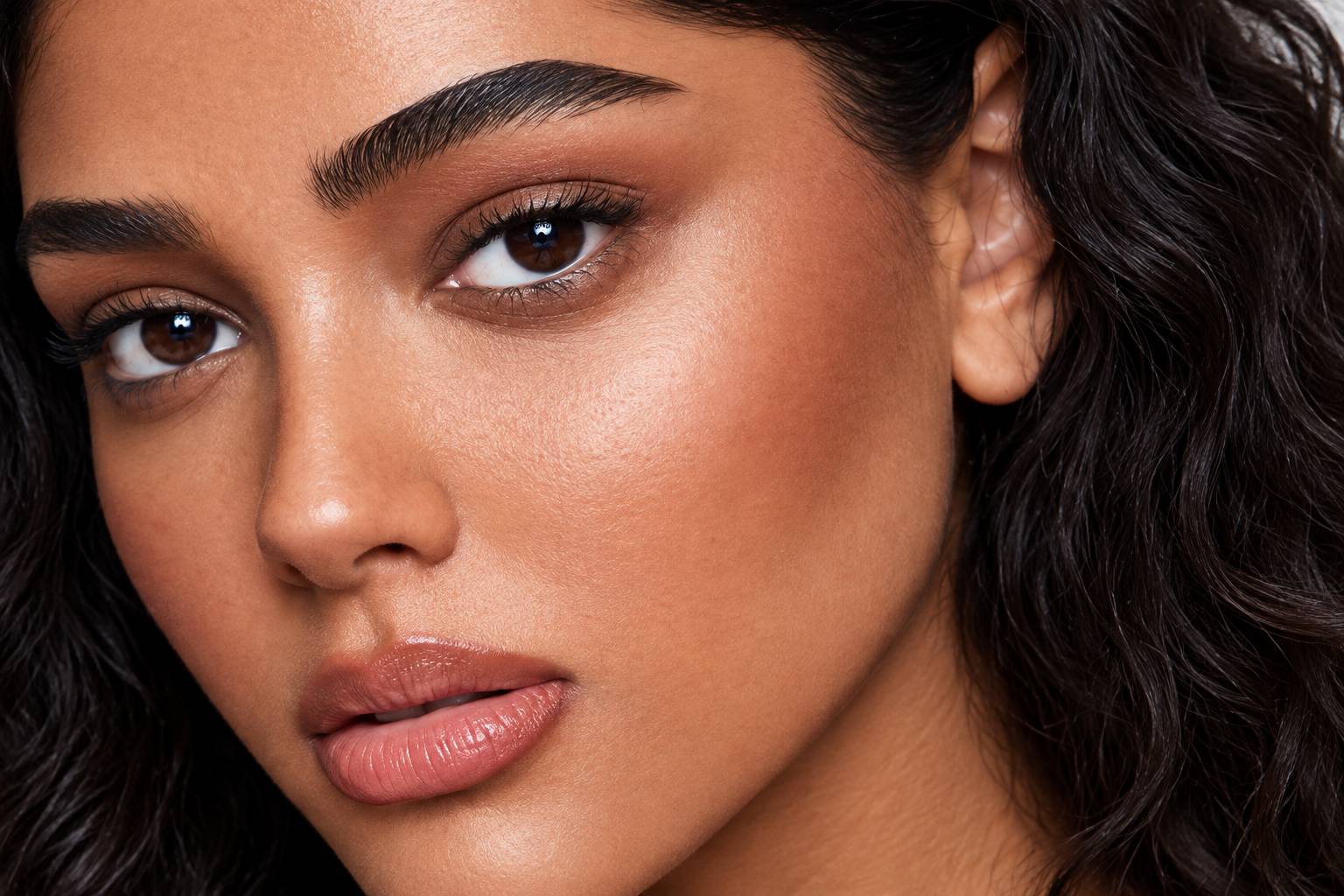
When a brand wants to create a product with buildable color that can blend into combination or oily skin, liquid blushes can make great choices. Cream blushes are especially valuable when lots of moisture and cushioning are needed for smooth skin. And for easy, day-after-day application and control, powder blushes can’t be beat. The best choice for any one product depends on several factors, including skin feel, skin finish, the type of application that will be given to it, and how it will fit into the rest of the complexion products in that line.
What Makes Liquid Blush Different
Watery Texture and a Dewy Finish
Liquid blushes have a very fluid consistency in comparison to the typical compact blush. They can be applied in a very thin layer and allow for quick spreading before the color sets into the skin. Liquid blushes are perfect for achieving a very sheer wash of color as well as creating layering effects to enhance a natural skin tone. In terms of product formulation, liquid blushes provide a unique characteristic that can set a brand apart from a typical pressed powder blush.
Liquid texture requires thoughtful packaging and user instruction. Products with liquid texture should be packaged with a dropper, doe-foot applicator, or other controlled dispensing system to prevent excess product from pouring onto the cheek. Highly pigmented liquid products should be applied in small doses that can be easily blended before additional product is added. A small amount of product should be applied first and blended before adding more.
Pigment Strength and Blendability
Vibrant but not patchy is key. The best liquid blusher leaves a visible stain but still offers room for a final fine-tuning with a brush, sponge, or even your fingertips. When it comes to highly pigmented liquid blusher formulas that blend easily, the correlation of pigment to slip to dry down is far more relevant than a brightly colored swatch.
Blush at BAOLISHI can be presented as a variety of different products, including matte, pearlescent, powder, cream and liquid versions. This means the products can be developed to form part of a complete makeup range by a brand and not all be confined to one finish.
Match the Formula to the Skin Type
Why Liquid Blush Works Well for Combination and Oily Skin
People with oily skin looking for the best liquid blush for oily skin often want a light-looking color that won’t add a thick, waxy layer on top of their skin. A fluid liquid blush is perfect because it looks thin when you apply it and dries to a nice finish. It is also great for combination skin because it provides cheek color without feeling too heavy, unlike a thicker cream product.
The finish of liquid makeup is determined by the base makeup, the amount of product used, and the desired finish: matte, natural, or luminous. When referring to liquid makeup, product copy should explain the intended oil-control properties rather than simply using the term “liquid.”
When Cream Blush Is Better for Dry and Mature Skin
There’s a reason cream blushes are so popular – not only do they feel moisturizing and comfortable to wear, but they also melt into dry skin, unlike powder blushes that can look obvious on mature skin due to their texture. Even for those who like to warm up product between their fingertips before applying to the apples of their cheeks, cream blushes feel so familiar and wearable.
When comparing liquid blushes to cream blushes for mature skin, the most important thing is how the product’s finish interacts with the skin’s texture. Even a liquid blush will work beautifully if it is thin and flexible enough, but a cream blush can provide a lot of cushion for someone looking for very soft skin, even if they typically prefer products that feel weightless on their skin. The best range would likely include both and describe products by finish rather than age.
Where Powder Blush Still Has a Practical Advantage
While powder blush is not as easily mixable as liquid or cream cheek products, it can still be mixed easily to provide customers with a predictable wash of color. It is also easy to build up coverage with a brush and is a very familiar product to retail displays. A matte powder can set the visual direction of a range, while a pearlescent powder can add dimension to the face without altering the base formula of the product.
Turn Blush Texture into a Stronger Product Line
Using Multi-Use Blush for Cheek, Eye, and Lip Looks
A multi-use blush appeals to customers who want fewer makeup products and a cohesive color palette. A formula that feels nice between the fingers and offers lots of wear while still looking gorgeous when applied lightly or built up is highly desirable. A single shade can be showcased in numerous editorial features, and how-to stories supporting a single color Cheeks, Eyes and Lips look without making a product look too repetitive.
Balancing Matte, Pearlescent, and Natural Finishes
A good blush line gives reason to offer more than one finish of color. Matte colors are great for a more sculpted look or for a very casual, natural look. Pearlescent colors bring light to the high points of the cheeks. A natural finish provides great everyday makeup. In photography, the finish of the blush should be obvious. In the description, it should be explained in plain terms to customers.
BAOLISHI product 8900 is described as a 2-in-1 face blusher with matte cheek tint, brightening, waterproof, and face-contouring positioning. Therefore, this product can be added to the existing product architecture for a range focused on practical cheek definition, but the specific product claims must remain on the individual product page and be relevant to the intended use of the product.
Connect Formula, Color, and Packaging
Designing Shades Around Real Makeup Habits
When selecting shades for your blush palette, start with how you think your customer will wear the shade as opposed to selecting based on the color wheel. We position soft peach, warm rose, berry and terracotta shades around everyday, romantic, editorial and sculpted looks. Also, note that a single shade can perform in a vastly different way in liquid, cream, and powder formulas – swatches should indicate the level of opacity, finish, and how long it takes for the product to blend.
The packaging should reinforce the formula. For a liquid blush, controlled dispensing is crucial. For a cream blush, a compact or pot packaging that feels clean and is easy to use is preferred. A blush stick is portable if it delivers as promised in terms of payoff and glide.
Why Waterproof Claims Need Clear Product Positioning
While ‘waterproof’ can be a relevant search term, it is not a sufficient explanation of how a product is intended to wear. A customer asking about the waterproof performance of makeup is likely to be concerned with the product’s performance in a variety of scenarios, including humidity, light perspiration, tears, and general transfer throughout the day. As such, claims must be fully explained and connected to the individual product and not assumed to apply to the entire category.
A practical brief for a private label blush formula would detail the finish, application, shade intensity and packaging, and the specific claims that can be made about the product. This ensures the product appears attractive in search results and helps to build trust with retailers and customers in your own private label range.
Conclusion
A liquid blush is not necessarily the best blush for every customer. While liquid blushes are great for a light and buildable natural dewy look, cream blushes offer more comfort and moisture while powder blushes offer more control and routine reliability. BAOLISHI serves as a foundation for comparing these different directions and building a full cheek color collection.
Explore BAOLISHI products to find the right texture, finish, and application for your target market.
FAQ
Q: Is liquid blush better than cream blush for oily skin?
A: Liquid blushes work well for oily or combination skin because they can be applied very lightly and still have color, compared to a thicker cream product. The base makeup, finish of the product, and amount applied will have lots of impact on how the product looks on skin, so product descriptions should reflect the intended finish of the product rather than false promises of oil control for all skin types.
Q: What is the best liquid blush for mature skin?
A: For mature skin, one wants a product that won’t draw attention to itself, i.e., won’t look too harsh. A lightweight, flexible liquid blush in a liquid format would be best; it provides a natural, smooth, thin “film” of color. A cream blush provides cushion and moisture as well as a softly radiant appearance but may feel too heavy for some women.
Q: Can one blush be used on the cheeks, eyes, and lips?
A multi-use blush can also create coordinated Cheek, Eye, and lip looks. This would depend on the product formula, feeling smooth enough and blending easily enough to apply comfortably in each area. Our multi-colored blush, The Multiple, is described by BAOLISHI as silky to the touch and easy to blend. However, multi-area positioning would remain specific to this product and its intended use.
Q: What should brands consider when developing a liquid blush private label formula?
A strong brief outlines the key parameters such as finish, intensity of color, application time, method of application, packaging, shade family, and supporting claims. Additionally, where the product sits in relation to a cream, powder, or stick product and how BAOLISHI sits in relation to that line of products.
18th September 2026
How to Choose Eyebrow Makeup for a New Beauty Brand: Pencil, Powder, Gel, or Multi-Use Pen
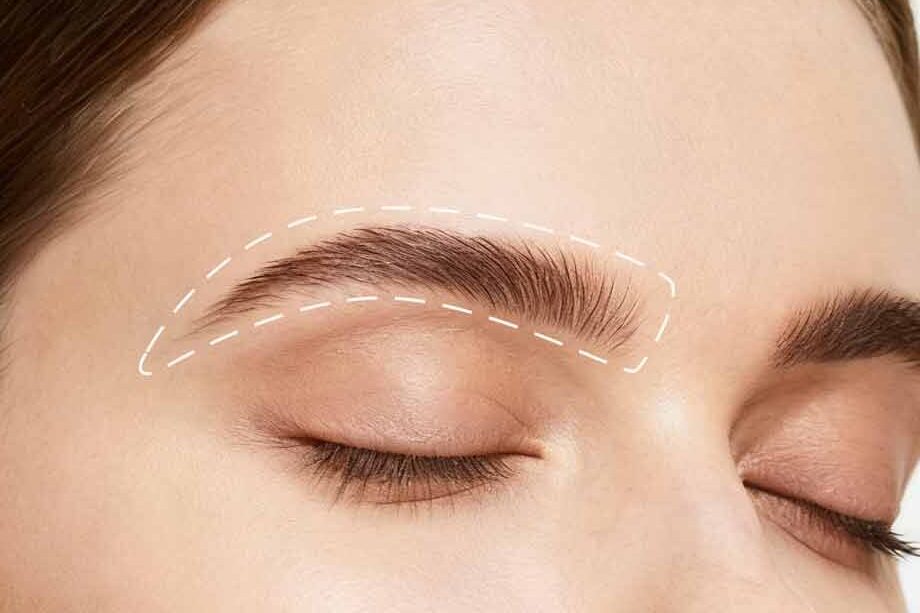
The best eyebrow makeup format depends on the result a beauty brand wants to deliver. An eyebrow pencil supports precise definition, eyebrow powder creates a softer filled-in effect, brow gel adds hold and visible fullness, and a multi-use pen suits compact, travel-friendly routines. Choosing the format around the user experience helps a new line feel focused instead of overloaded.
A practical starting point is the BAOLISHI eyebrow collection, where different brow formats can be compared by application style and product role.
Start with the Brow Result
A strong eyebrow makeup concept begins with the appearance customers want to create. Some users want hair-like definition, while others prefer a soft gradient, fuller-looking brows, or a quick product for a small makeup bag. The desired result should guide texture, applicator, shade range, and packaging.
Natural Definition with an Eyebrow Pencil
An eyebrow pencil is the clearest choice when precision matters. A fine tip can outline sparse areas, extend the tail, or create short strokes that follow the natural direction of brow hair. A dual-sided design can also combine the color step with a spoolie or grooming function, making the routine easier to understand.
For a new beauty brand, review pressure, buildability, tip behavior after repeated use, and cap protection in a cosmetic bag. BAOLISHI lists a dual-sided eyebrow pencil with a precise fine tip, which fits a product position built around detailed brow shaping.
Soft Volume with Eyebrow Powder
Eyebrow powder is useful for customers who prefer a diffused, natural-looking finish. It can soften the front of the brow, fill larger areas quickly, and blend with an angled brush. Complementary shades allow users to adjust depth from the inner brow to the arch and tail.
BAOLISHI presents three-shade eyebrow powder formats for natural brow styling, with product descriptions that include long-lasting, waterproof, and sweat-proof positioning. For product development, the shade relationship matters as much as the shade count: the colors should work as a system, not appear as three unrelated pans.
Stronger Hold with Brow Gel
Brow gel is designed for a different part of the routine: controlling direction, adding visible structure, and helping the finished brow stay in place. It is especially relevant for fuller-looking or brushed-up brow styles, where color alone cannot provide the same sense of lift and hold.
The BAOLISHI brow gel listing describes a six-color, buildable wax-gel hybrid that creates fuller-looking brows and helps set them for all-day wear. Its product benefits also describe a moisturizing and nourishing formula that combs through brow hair without flaking or buildup. These claims should be matched with a clear application brief and evaluated through samples before a final market position is chosen.
For brands comparing a hold-focused format, the BAOLISHI’s brow gel provides a useful reference for the product direction.
Flexible Travel Use with a Multi-Use Pen
A multi-use makeup pen can make sense when portability and versatility are central to the line. One compact tool can serve several steps in travel kits, starter collections, and convenience-led ranges. Each function must still remain easy to identify and comfortable to use.
BAOLISHI lists a four-in-one makeup pen that combines eyeliner, lip liner, brow pencil, and highlighter functions. This type of product should be assessed as a complete tool rather than four separate claims. Check the balance, cap security, color coordination, and the way customers understand the sequence of use.
Match Eyebrow Makeup to the User Routine
Format selection becomes clearer when the routine is defined. A daily natural brow line may benefit from powder and a buildable pencil, while a performance-oriented range may emphasize waterproof eyebrow makeup or a setting-focused gel. A travel collection can bring together a dual-sided pencil, compact powder, or multi-use pen.
Everyday Natural Brows
For everyday use, shade softness and control are usually more important than dramatic intensity. The product should allow small corrections, blending, and gradual build-up. Packaging should support quick opening, clean storage, and easy shade identification.
Waterproof Eyebrow Makeup for Active Wear
When a line is positioned around active routines, define what waterproof or sweat-proof performance means in practical use. Review wear, formula feel, transfer resistance, removal experience, and the product condition after repeated handling.
Fast Application for Travel and Touch-Ups
Travel products need more than a small footprint. The format should reduce the number of tools required, protect the formula during transport, and remain intuitive when used without a full vanity setup. This is where a multi-use pen or dual-sided eyebrow pencil can give a product line a clear convenience story.
Build a More Complete Brow Product Line
A brand does not need every eyebrow makeup format on day one. Choose one hero product and add supporting formats only when they serve a distinct customer need. A precision pencil can lead the line, powder can offer softness, and brow gel can extend the routine into shaping and hold.
Create a Practical Shade Structure
Shade planning should consider hair depth, undertone, brow intensity, and the way products are used together. Three shades can work well in a powder palette when the colors have clear roles, while a wider offer may suit a brow gel or pencil line. Make selection understandable at shelf level and online.
Balance Precision, Softness, and Hold
A complete assortment should feel connected. Texture, finish, shade naming, applicator design, and packaging language should support the same brand promise. BAOLISHI can be considered when a beauty brand needs to compare pencil, powder, gel, and multi-use formats within one broader cosmetics development conversation.
Connect Formula, Applicator, and Packaging
The applicator changes how the formula is experienced. Powder needs a palette and brush strategy, gel needs a brush that can comb and distribute product, and pencil needs a tip and cap that protect precision. Review decoration with the actual product because a visual concept cannot show closure feel, grip, or access.
Review Product Fit Before Launch
Sample review should separate shade, texture, applicator, and finished-package approval. Keep the approved shade reference, formula version, color count, component design, and artwork together so changes remain traceable.
Test the real use pattern: draw, blend, comb, build, open, close, carry, and clean the product. Review how the formula behaves on the intended application area and how the package performs after repeated handling. For private label eyebrow products, a clear approval process helps preserve the intended result when the line moves from sample review to regular production.
Conclusion
The right eyebrow makeup format is the one that connects a clear brow result with a comfortable, repeatable routine. Pencils support precision, powders create soft volume, brow gels add hold, and multi-use pens bring flexibility to compact collections. BAOLISHI gives beauty brands a practical range of brow formats to evaluate when building a focused product line around real application needs.
Explore the BAOLISHI eyebrow range to compare product directions and plan a brow collection that fits your brand’s customer and use case.
FAQ
Q: Which eyebrow makeup format is best for a new beauty brand?
A: Start with the format that matches the clearest customer need. An eyebrow pencil suits precision, powder supports a softer finish, brow gel focuses on hold and fullness, while a multi-use pen emphasizes convenience. A focused hero product is usually easier to position than a large assortment with overlapping functions.
Q: Is eyebrow pencil or powder better for natural-looking brows?
A: Both can create a natural result when the texture and shade structure are well designed. A pencil is useful for hair-like strokes and sparse areas, while powder creates a softer, diffused fill. Many brands can use the two formats as complementary options for customers with different application habits.
Q: What makes brow gel useful in a private label product line?
A: Brow gel adds a shaping and hold function that color products cannot provide on their own. It can support fuller-looking, brushed-up, or more structured brow styles. When developing a private label product, review the brush, buildability, flaking risk, shade range, packaging, and the intended wear message together.
Q: Can BAOLISHI support different eyebrow makeup formats?
A: BAOLISHI’s eyebrow category includes powder palettes, brow gel, dual-sided eyebrow pencil, and a multi-use makeup pen. This range gives beauty brands several product directions to compare. The final formula, shade, packaging, and development scope should be confirmed through product samples and project-specific discussions.

11th September 2026
How to Plan a Custom Eyeshadow Palette for a New Beauty Brand
A custom eyeshadow palette should be planned as a complete product system: shade story, formula, pan layout, package structure, decoration, testing, and replenishment. A palette can look attractive in a concept image but still fail if the colors overlap, the formula does not suit the target market, or the packaging cannot protect the pans in transport. BAOLISHI provides formula customization, packaging development, and finished-product inspection for beauty brands.
Build the Shade Story Before the Formula
Shade Story
A palette needs a clear reason to exist. The shade story may be based on a season, a customer profile, a color family, a professional use case, or a specific retail price point. Start by defining the hero shade, the everyday shades, the transition shades, the deepening shades, and any shimmer or special-effect shades.
The number of pans should support the story rather than simply increase the perceived value. A smaller palette can be easier to explain, carry, and replenish, while a larger palette can serve artists or customers who want more looks. Map the combinations before asking for a final layout so the formula and packaging teams understand the intended use.
Translate Color Ideas into a Formula Brief
Formula Brief
A shade name is not a complete formula brief. Explain the desired finish, pigmentation, buildability, blendability, texture, fallout tolerance, and application tool. Matte, shimmer, metallic, satin, and glitter effects may require different development approaches and different expectations during testing.
BAOLISHI describes formula customization and a professional laboratory for product development. The buyer should still provide reference swatches, competitor samples where permitted, target ingredient preferences, restricted-ingredient requirements, and the intended market. A clear brief reduces the risk of approving a color that looks correct under one light but performs differently on the skin.
Choose the Palette Structure and Material
Palette Structure
The palette case must protect the pans, keep the product clean, and support the user’s routine. Review the case material, hinge, mirror, closure, pan arrangement, insert, magnet or adhesive system, and whether the package can survive normal transport. The inside layout should leave enough space for the brush or finger to pick up product without contaminating adjacent shades.
Decoration should be selected together with the brand position. Printing, hot stamping, metallic details, windows, and special finishes can change the cost and the production lead time. Request a physical package sample because artwork on a screen cannot show the actual reflection, texture, closure strength, or the way the palette feels in the hand.
Plan Testing and Compliance Evidence
Testing and Compliance
BAOLISHI states that raw materials and finished products are checked for microbiological and heavy-metal requirements, with inspection during production. For a new palette, the buyer should request the applicable test plan, product specification, ingredient information, stability expectations, packaging compatibility, and documents required by the target market.
Testing should also reflect real use. Check pan adhesion, breakage after transport simulation, powder fallout, closure durability, mirror protection, shade consistency, and the interaction between the formula and the package. If the palette includes special effects or pressed glitter, define the acceptance standard for surface appearance and particle distribution.
Use Samples to Control Development Risk
Sample Review
A useful development process separates color approval, formula approval, package approval, and final assembly approval. Keep records for the shade code, formula version, pan size, fill weight, package dimensions, artwork, and inspection result. This makes later changes traceable and avoids confusion when several shades are revised at the same time.
Ask for a complete pilot sample, not only loose pans. The final sample should show how the palette opens, how the pans are positioned, how the mirror works, and how the product looks in the finished package. Any change after this stage should be reviewed as a new approval point.
Check Capacity and Small-Batch Flexibility
Capacity and Flexibility
A brand launch may start with a trial quantity and later move into repeat production. Small-batch flexibility is valuable when a brand is validating a new shade story, but it should not be confused with unlimited customization at low cost. Ask which parts can be standardized, which materials require a minimum commitment, and how the factory protects the approved standard when the order grows.
Coordinate Packaging, MOQ, and Replenishment
Packaging and Replenishment
The palette MOQ can be influenced by formula development, pan tooling, case tooling, printing, inserts, and carton packaging. Request separate quantities for development samples, pilot production, first order, and repeat order. Also confirm whether the same case and pan layout can be reused for future shade collections.
Conclusion
A successful custom eyeshadow palette begins with a focused shade story and continues through formula development, package engineering, testing, approval, and replenishment planning. Use representative samples and written specifications to control each stage. BAOLISHI can be evaluated for formula customization, packaging coordination, and production support, with the final scope confirmed against the palette’s market, quantity, and compliance requirements.
Contact us today to discuss your custom eyeshadow palette requirements and start developing a solution tailored to your brand.
FAQ
Q: How many shades should a first custom eyeshadow palette include?
A: There is no universal number. Choose enough shades to create the intended looks without adding colors that overlap or are difficult to explain. Consider the target customer, price position, packaging size, application routine, and replenishment strategy. A focused palette can be easier to launch and validate.
Q: Can a manufacturer match a reference eyeshadow color?
A: A manufacturer can usually develop toward a reference, but the result depends on pigments, finish, lighting, base formula, and application thickness. Provide physical swatches or approved references where possible, then evaluate the sample on skin and under consistent light before approving the shade.
Q: What should be tested on an eyeshadow palette?
A: Test shade appearance, pigmentation, blendability, fallout, pan adhesion, fill weight, packaging closure, mirror protection, transport resistance, and formula-package compatibility. The exact compliance documents depend on the target market. Ask the supplier to provide the applicable testing and ingredient information for the project.
Q: What information should be included in a palette brief?
A: Include the number of shades, finish types, target weight, pan size, package dimensions, material preferences, decoration, mirror, brush, target quantity, market, delivery date, testing needs, and packaging level. Reference images are useful, but a written functional brief is needed for an accurate project proposal.
4th September 2026
Why a Custom Eyeshadow Palette Is the Secret to Scaling Your Beauty Brand
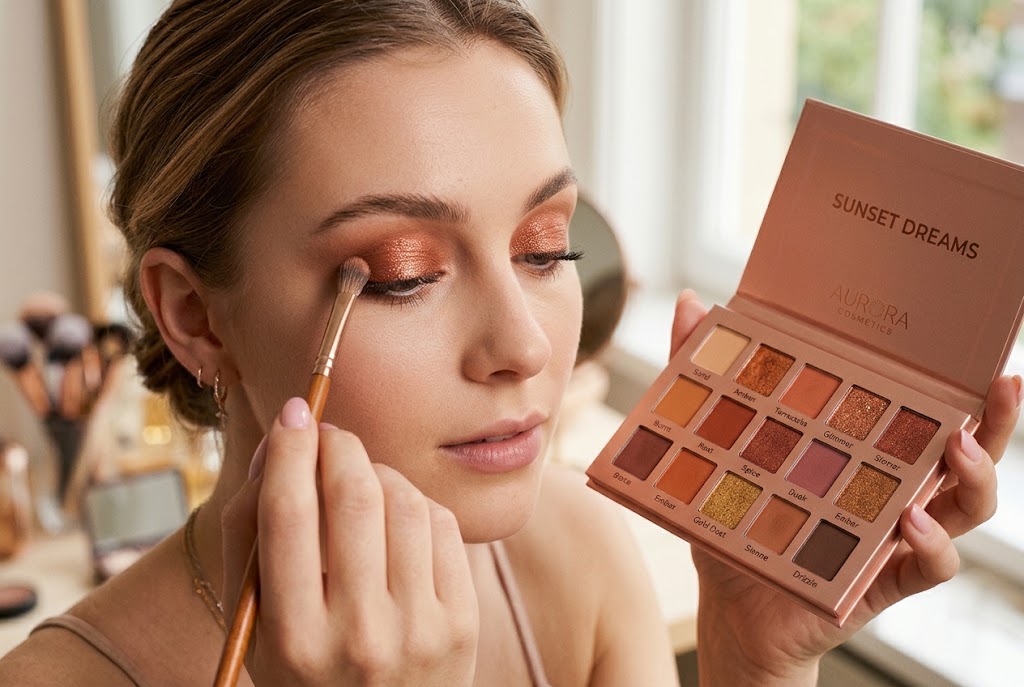
A custom eyeshadow palette scales a beauty brand by consolidating high visual appeal on social media, securing high profit margins, and establishing an unmistakable brand identity that turns casual buyers into loyal advocates. In fact, through personalized packaging and customized formulas, companies can avoid saturation in the market by directly appealing to the modern needs of consumers for clean and effective cosmetics. Cooperation with a competent supplier of eyeshadow palettes will enable them to achieve the flexibility required in manufacturing.
Strategic Growth Through a Tailored Makeup Eyeshadow Palette
Maximizing Profit Margins and Virality
Eye cosmetics are the most visually stunning sector in the contemporary beauty industry and thus act as the major source of organic digital customer acquisition. A beautifully created eyeshadow palette will automatically trigger the creation of user-generated content on social media sites such as TikTok and YouTube, which greatly helps in cutting down digital marketing expenses. With the help of micro-influencers and professional artists sharing swatches and tutorials about your products, brand awareness receives a massive boost. With a beautiful color payoff and rich textures of a quality product, consumers immediately get emotionally attached.
Capturing the Safe and Eco-Conscious Demographics
Modern consumers demand full ingredient transparency and ethical manufacturing practices, making formulation safety a cornerstone of brand scaling. To succeed globally, your makeup eyeshadow palette must appeal to the massive demographic searching for clean, vegan, and cruelty-free options. Formulating clean cosmetics requires removing harmful preservatives and heavy metals while maintaining professional-grade color payoff and silky blending.
At BAOLISHI, all formulations are one hundred percent cruelty-free and vegan, aligning with international standards of clean beauty. The advanced laboratory and engineering teams conduct rigorous microbiological and heavy metal testing on both raw materials and finished goods to guarantee ultimate safety. This dedication to non-toxic, alcohol-free ingredients ensures your brand avoids regulatory hurdles and earns consumer trust in strict markets.
Selecting the Right Eyeshadow Palette Supplier for Your Brand
Assessing Technical Capabilities and Rapid Research Support
Your choice of an eyeshadow palette supplier directly dictates your brand’s operational velocity and product quality. A world-class partner must offer more than raw manufacturing; they must provide rapid research and development support to keep pace with micro-trends. The ability to translate an artistic concept into a physical sample, complete with locked shades and customized textures within fifteen days, is a critical competitive advantage.
To support global scaling, the manufacturing facility must possess robust infrastructure and modern machinery. BAOLISHI operates a large factory equipped with ten advanced production lines. This setup yields a daily manufacturing capacity of one hundred fifty thousand pieces, guaranteeing that your supply chain remains uninterrupted during peak sales seasons.
Leveraging Decades of Global Export and Compliance Expertise
Navigating international cosmetics regulations is extremely complex, requiring a manufacturing partner with deep global compliance expertise. A reputable eyeshadow palette supplier will hold essential certifications, including GMPC, ISO 22716, FDA registration, and comprehensive MSDS documentation. These credentials verify that the facility maintains sterile environments and adheres to international good manufacturing practices.
With over twenty-three years of export experience, BAOLISHI has successfully developed and shipped compliant beauty lines for over six thousand global brands. This extensive background across North America, Europe, and South America ensures your shipments easily pass customs inspections. Partnering with an experienced manufacturer allows your team to focus on brand building while leaving the complexities of global logistics to proven experts.
Unlocking Supply Chain Flexibility with a Custom Eyeshadow Palette
Scaling Seamlessly from Trial Runs to Mass Production
Managing inventory risk is one of the most difficult challenges for growing beauty companies launching a custom eyeshadow palette. A rigid supplier requiring massive minimum order quantities can drain a young brand’s capital and lead to dead stock. Conversely, a highly flexible manufacturing model allows you to test the market with small-batch trials before committing to major capital expenditures.
BAOLISHI solves this bottleneck by offering scalable production solutions that accommodate various brand stages. The factory supports flexible small-batch trials under five hundred pieces for new product testing, while easily scaling up to over one million pieces as demand surges. This agile supply chain framework allows you to react instantly to market feedback, launch seasonal collections rapidly, and maximize your return on investment.
Conclusion
Launching a custom eyeshadow palette is a transformative business decision that elevates your brand from a generic label to an industry trendsetter. By delivering professional formulas, clean ingredients, and breathtaking custom packaging, you cultivate a passionate community of brand advocates. Partnering with an established manufacturer like BAOLISHI ensures your growth is backed by unmatched capacity, global compliance certifications, and flexible supply chains.
Please contact BAOLISHI today to request a free quote and begin your custom manufacturing journey.
FAQ
Q: What is the average lead time for developing a custom eyeshadow palette?
A: The development timeline generally averages over twenty days, depending on the complexity of the custom packaging and formulation. Initial color matching and prototype verification are completed within fifteen days. Once the samples and packaging designs are approved, mass production can begin swiftly.
Q: How does BAOLISHI ensure ingredient safety and regulatory compliance?
A: BAOLISHI operates in strict accordance with GMPC and ISO 22716 standards. We perform rigorous heavy metal and microbiological tests on all raw materials and finished products. This meticulous quality control ensures all products are entirely non-toxic, safe, and export-compliant.
Q: Can a new brand start with small-batch orders to minimize inventory risk?
A: Yes, BAOLISHI provides highly flexible supply chain support for emerging beauty brands. For initial testing and production, we encourage trial runs of fewer than five hundred pieces. This is an easy way for you to try out your product in the market without having too much risk.
Q: What options are available for customizing the packaging and formulation?
A: Customization is possible for the entire range of products, including eyeshadow palette formulas, shades, and scents according to the client’s brand image. Besides, we also offer full design support for customized packaging that includes shell design, tube design, and logo printing. We turn your creative packaging concepts into physical bestsellers.
