
Mastering Private Label Strategy with a Makeup Eyeshadow Palette Line
-

 author
7th August 2026
author
7th August 2026
Strategic Foundations of Private Label Eyeshadow Development
Identifying Market Gaps and Niche Opportunities
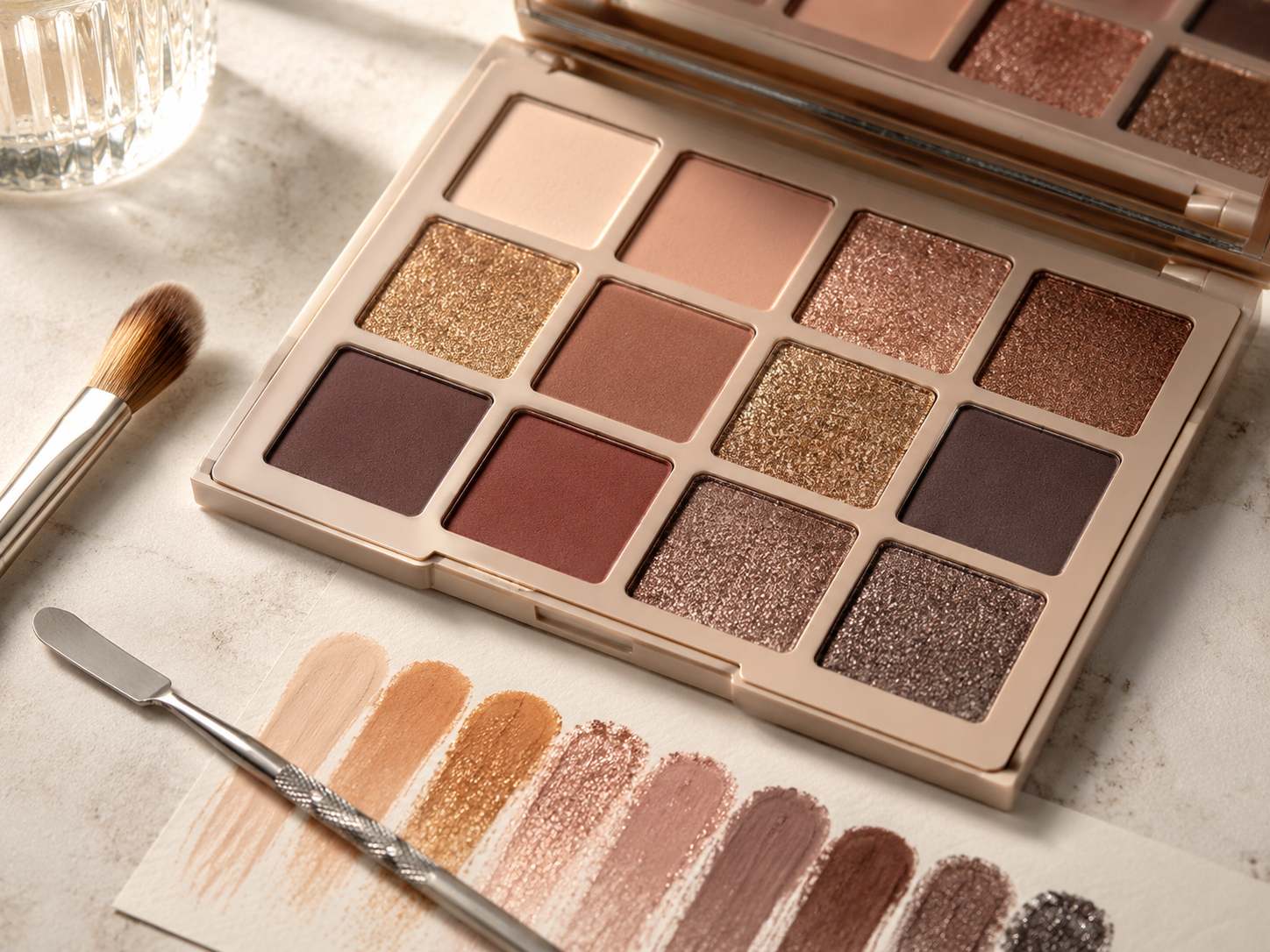
A successful private label makeup eyeshadow palette starts with clear insight into how the market breaks down. Brands review current color collections and textures to spot areas where buyer needs still sit unmet. Duochrome and multichrome pigments continue to gain attention, opening room for fresh ideas, especially in the professional artistry space where varied textures support more creative work. Pressed glitters and cream-to-powder hybrids also draw strong interest from both working artists and everyday users who want layered finishes.
Purchase data shows buyers now look for palettes that handle daily use yet still allow room for more artistic looks. Finding the right mix between strong color strength and easy application therefore becomes key to reaching a wider audience.
Defining Brand Identity Through Product Curation
Curating an eyeshadow makeup kit helps shape a brand’s visual style through careful color choices. A clear story, whether drawn from nature tones or metallic effects, helps people remember the brand. The mix of basic neutral shades and bolder colors decides how well the palette works for different groups.
Brand teams also think about how shade names, packaging details, and finish types work together. This creates a consistent look that supports both product performance and visual identity.
Technical Specifications and Formula Selection
Evaluating Powder Pressing and Pigment Density
Good results in any makeup eyeshadow palette depend on how the formula is built. Wet-milled powders and dry-milled powders each offer different levels of color spread. The right binders help cut down on fallout while keeping the texture easy to blend for users at every skill level.
Color strength needs careful balance. Too much density can make blending harder, while too little leaves the color looking flat once applied.
Selecting Diverse Finishes for a Versatile Palette
Brands often include matte, shimmer, satin, and metallic finishes in one eyeshadow makeup kit. Matte shades help set shape, shimmer shades bring light, metallic shades add impact, and satin shades help move between sections smoothly. Cream-to-powder formulas need checks for stability so the texture stays steady in different climates.
Keeping texture even across all pigment types also matters. This helps avoid differences in pan hardness or color change over time, especially when mineral and synthetic pigments sit together.
Sourcing and Manufacturing Partnerships
Criteria for Selecting a Private Label Manufacturer
The choice of manufacturing partner shapes how well a private label project can grow. BAOLISHI runs a factory of 12,000 square meters. Ten production lines support a daily output of 150,000 pieces. This setup allows quick shifts when demand changes and keeps quality checks in place.
Customization Versus Stock Formulations
Private label buyers choose between stock formulas and custom work. BAOLISHI offers custom development through its lab, where engineers create products to match client needs. Custom work gives more uniqueness but adds time and cost. Stock formulas lower risk yet reduce room for difference.
MOQ discussions help control spending. Typical MOQs fall between 400 and 850 units, depending on the item. Sample checks for color stability, crease resistance, and wear time come before full production so the final result matches brand goals.
Packaging Design and Functional Engineering
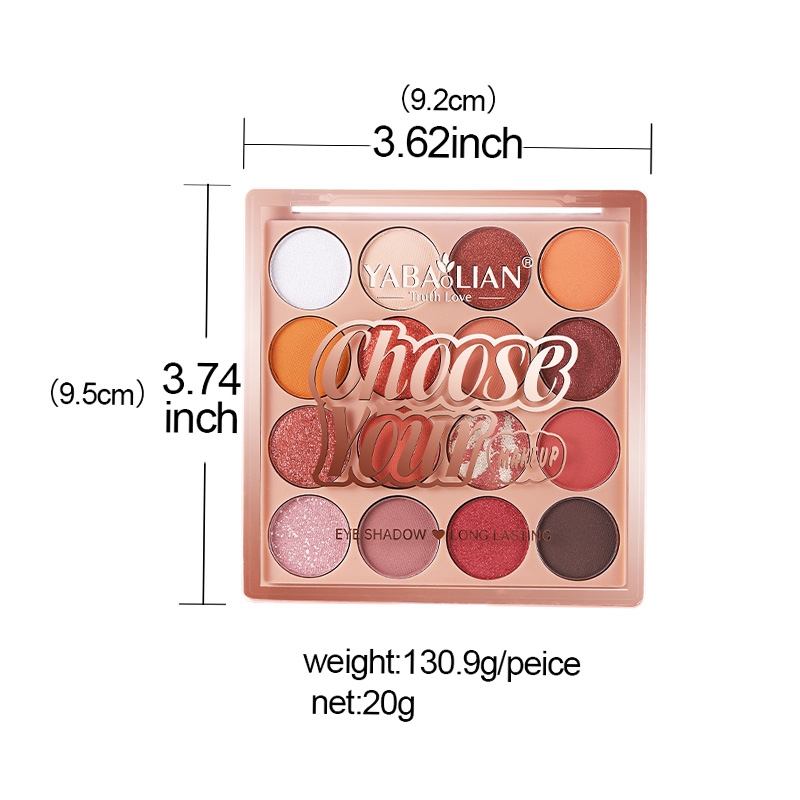
Material Selection for Durability and Aesthetics
Packaging shapes how buyers judge quality. Cardboard supports an eco-friendly image, while plastic or tin cases suggest a higher-end feel. BAOLISHI uses packaging materials that meet recycling standards in many markets.
Transit tests check for breakage, an important step for pressed powder items that can crumble under movement.
Ergonomics and User Experience in Packaging
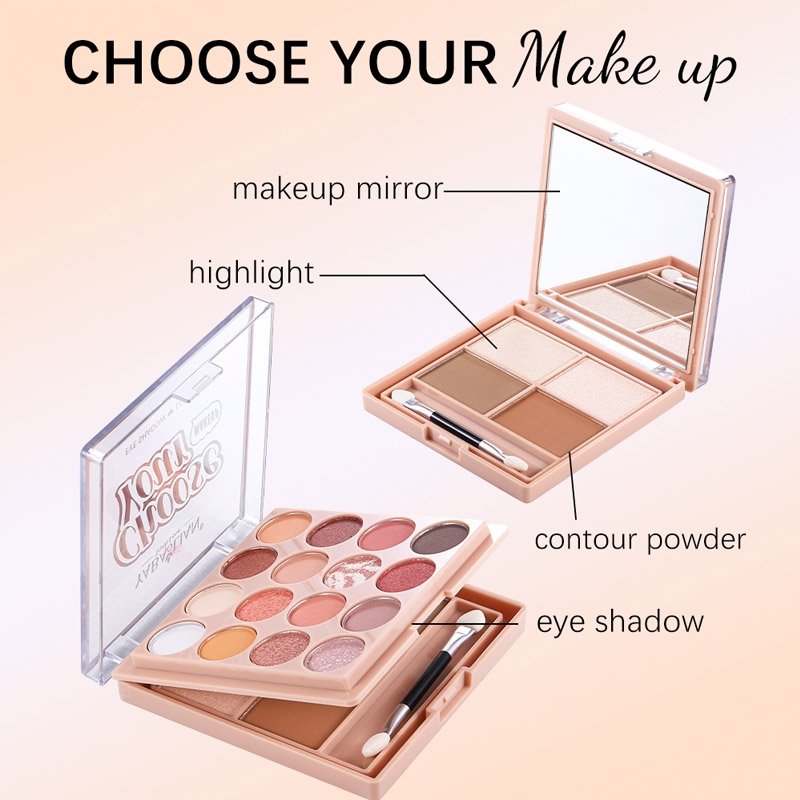
Design details such as magnetic closures and strong hinges improve daily use without changing the look. Clear mirrors add convenience and raise perceived value. Pan layout should allow easy brush access while keeping colors separate.
Outer packaging protects the product and carries the brand message through type and color choices that stand out on store shelves.
Regulatory Compliance and Safety Standards
Ingredient Transparency and Labelling Requirements
Compliance starts with checking ingredients against safety lists for each region. Color additives must pass approval for eye-area use from bodies such as the FDA or EU regulators. BAOLISHI carries an FDA certificate with FEI number 3012568948. Clear INCI lists support legal compliance and help build buyer trust by showing what the product contains.
Product Testing and Quality Assurance
Each batch receives full checks before release. Microbial tests confirm the preservative works. Stability tests measure performance across temperature shifts. Compatibility tests confirm the formula and package work well together. BAOLISHI runs microbiological and heavy metal tests on raw materials and finished goods to meet international cosmetic rules. Regular batch reviews keep results steady across production runs.
Conclusion
Private label work in color cosmetics needs close coordination between creative choices, formula development and safety checks. BAOLISHI shows this balance through its certified production setup, custom formulation options, responsible packaging choices, and full OEM/ODM support for brands that want eyeshadow palette solutions matched to current trends.
For partnership questions or sample requests on a new private label makeup eyeshadow palette project, please contact us.
FAQ
Q: What makes BAOLISHI a reliable manufacturer for private label makeup eyeshadow palettes?
A: BAOLISHI operates a 12,082-square-meter factory with ten production lines that hold ISO22716 and GMPC certification. This structure supports steady quality from raw material review through final packaging.
Q: How customizable is an eyeshadow makeup kit produced by BAOLISHI?
A: Clients can adjust shade selection, packaging materials, and logo placement through BAOLISHI’s R&D team, which provides full OEM/ODM support with design staff.
Q: What safety measures are implemented during production of an eyeshadow palette?
A: BAOLISHI performs microbial testing on raw materials and heavy metal analysis before approving batches. Finished products receive additional review to meet international cosmetic safety standards, including FDA requirements.
Q: How does BAOLISHI ensure sustainability in its makeup eyeshadow palette packaging?
A: BAOLISHI selects packaging materials that meet environmental standards in multiple markets and follow recycling guidelines.
Q: What is the typical MOQ when ordering custom private label eyeshadow palettes?
A: MOQ levels vary with design detail but generally sit between 400 and 850 units per order under BAOLISHI’s OEM/ODM policy.