

Vegan Cosmetics OEM Stock Products or Custom Development
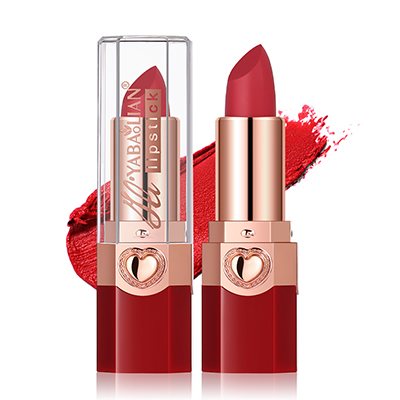
If you’re a beauty brand looking for vegan cosmetics OEM suppliers, a first consideration is whether to start with an existing stock line or create a completely new formulation & packaging design. While BAOLISHI beauty products can be ordered in small quantities from our existing product lines, new customized orders are planned from around 10,000 units. Early demand testing with a view to adding to an existing product line would likely be with an in-stock item, whereas a completely new range of products would be needed for a line that has its own individual product choices and brand identity. Verify any product or market claims before proceeding down either route. The BAOLISHI Factory does not conduct animal testing. Individual products may be listed as ‘vegan’ within the product information. For example, the Y3114 lip product is listed as ‘vegan’. Check the current formula and supporting information for this product before reiterating any vegan claims as a buyer. Choose Stock or Custom by Launch Stage Our stock products are designed to help buyers reduce the amount of decisions that they need to make purchasing products. By selecting from existing products by color, texture, pack size and form, products can be ‘fitted’ to a customer and distribution channel. Our stock products are available in small quantities under our BAOLISHI brand name and are perfect for testing demand before launching a private label version of a formula. Verify SKU #, available sizes, current inventory, ingredients & claims prior to ordering. Review vegan listing against current formula and supporting documentation prior to repeating the same on packaging and/or advertising. Also, even when you are not changing the stock product formula or packaging, ask for the way the product will be offered to the buyer. Is the retail product and the outer carton for multi-pack products equipped with the BAOLISHI logo? What language is printed on the packaging? Are the records of the used ingredients and/or the stock product including all packaging variations available for the listed articles? The answers to these questions can be of major importance for the speed of listing a product by a reseller as well as for the adequate distribution on a certain channel. We have a wide range of customization options for existing formulas, colors, fragrances, textures and packaging/tubes for products that do not have an adequate corresponding OEM/ODM item. For completely new product concepts we can develop a differentiator for you. For custom products a sample, a specification, approval and a minimum order quantity for production apply. Use existing BAOLISHI brand products to gather enough information to decide whether to develop your own product or not. Use the same for testing demand. Customize when customer, visual direction and replenishment plan are already established. Separate Vegan and Cruelty-Free Checks A lot of confusion exists between ‘vegan’ and ‘cruelty-free’. It is essential to check for animal-derived raw materials within the formula and separately investigate the animal-testing policy of the supplier and whether current animal testing is taking place. Both of these points should be clearly outlined in your brief. Ask for the current ingredient list and available origin information. Clarify any ambiguous raw material. For cruelty-free language, document the policy and whether the claim applies to the factory, finished product, or both. Clearly state the target market and intended claims to the manufacturer. Ensure that required evidence is presented before finalizing artwork. Claim wording and required documentation will vary between markets. Set the Scope for a Vegan Cosmetics OEM Project Begin by defining the first product: role, category, user, and desired character, before launching into a large variety of products within the framework of a very broad vegan makeup line. Compare the existing directions of all products within the existing BAOLISHI product range and make changes as needed. List required formula attributes, excluded ingredients, color family, finish, texture, fragrance direction, and application format. For a lip concept, specify balm, gloss, tint, or another use. BAOLISHI’s Y3114 offers a vegan, custom-color direction, but the project still needs its own approval. This could include information on the shape of the tube, the type of closure, applicator, any special features such as printing or other decoration, and label information. It is also useful to consider how the formula and its individual components are going to be presented, for example an applicator can affect the perception of a texture and a package can affect the perception of a color. Are there off-the-shelf options and will any of the solutions require custom work. Create a note with target market, claims, sample references, estimated quantity and final approver. Determine how samples will be judged to get more useful feedback than ‘it looks more natural’. Use Samples to Confirm the Full Product Test feel, payoff, blendability or spread, application control, fragrance if relevant, and appearance in the final package. Keep the approved formula, shade reference, component, and artwork together so later adjustments remain traceable. Verify the formula records when a sample changes e.g. because of color, fragrance or raw materials. Verify updated claim support before releasing production. Get out your records for inspection, and your target market documents. What a sample can tell you about a product’s performance, its safety, and its ethics is limited. Make a list of the things that your sample has proven, and the things that still need to be proven about your product. Also, list the version of your product that you are approving for production. Plan Volume Around the Customization Decision For customized cosmetics, 10,000 pieces or more are usually needed for planning. MOQ and commercial terms for a specific product, formula, packaging and design may vary from project to project. You need to clarify whether the quantity in the quote refers to one SKU, one shade or the whole order. Also, find out whether different colors can use the same packaging and parts. In the quote include the sample and approval milestones as a schedule so the team can see when each of the formula, shade and packaging decisions become ‘set in stone’ and confirmed for the supplier’s project proposal. Also, confirm the final quantities to be produced and the commercial terms in the supplier’s project proposal. Estimate your initial sales and subsequent replenishments before committing to a specific custom color or packaging option. One hero item is typically easier to validate than several colors. Should initial orders be too large, we can start with BAOLISHI-brand stock and work from there. Request separate proposals for stock and for customization, with indication of the brand’s ownership and the corresponding formula changes, colors, fragrances and textures, as well as required packaging. Compare proposed routes against documentation provided by brand and brand’s cash-flow plan. Conclusion When starting an OEM project for vegan cosmetics, it is important to determine whether you would like to first test demand with stocked products or develop differentiating formulas and packaging. BAOLISHI offers stocked products from its own brand in small quantities. The custom order quantities depend on the respective product and scope of customization. We would be happy to provide you with information regarding the respective category, market and order quantities desired by you. FAQ Q: Can a small brand start with vegan cosmetics without placing a 10,000-piece custom order? Yes, we can sell the products from existing stock under the BAOLISHI brand name in smaller quantities. However, the custom product route is a separate route to launching products, and we would recommend suitable planning for products of this size from around 10,000 units. Please check that the relevant SKU is available for immediate dispatch and that the necessary stock, variant, ingredients and cosmetic claims are in place before purchasing off the shelf for a launch. Q: Is vegan the same as cruelty-free for cosmetics? No, Vegan positioning refers to animal origin ingredients in a formula, whereas Cruelty-free positioning refers to animal testing. These are to be treated as two separate checks against a product brief. Get the current formula information and the supplier’s animal testing policy and check that the resulting evidence supports the claims that you are going to be communicating to your target market. Q: Which parts of a vegan cosmetics product can BAOLISHI customize? Most aspects of a product can be customized, such as formula, color, fragrance, texture and tube / packaging. Available options depend on the type of product and the scope of a project. Please outline the proposed use of the product, target market, preferred ‘formula feel’, required components and desired quantity in the brief. The final scope and MOQ for the chosen SKU can then be confirmed. Q: How should a brand verify vegan and cruelty-free claims before launch? Check current ingredient list, relevant information about origin of individual ingredients and the animal test policy of suppliers for the selected product. Review these documents after any changes of formula, shades or fragrances. Keep approved samples and corresponding claim information together and check if wordings and corresponding evidence are correct for the respective market where the product will be sold.
Micellar Water OEM: What Beauty Brands Should Confirm Before Launch
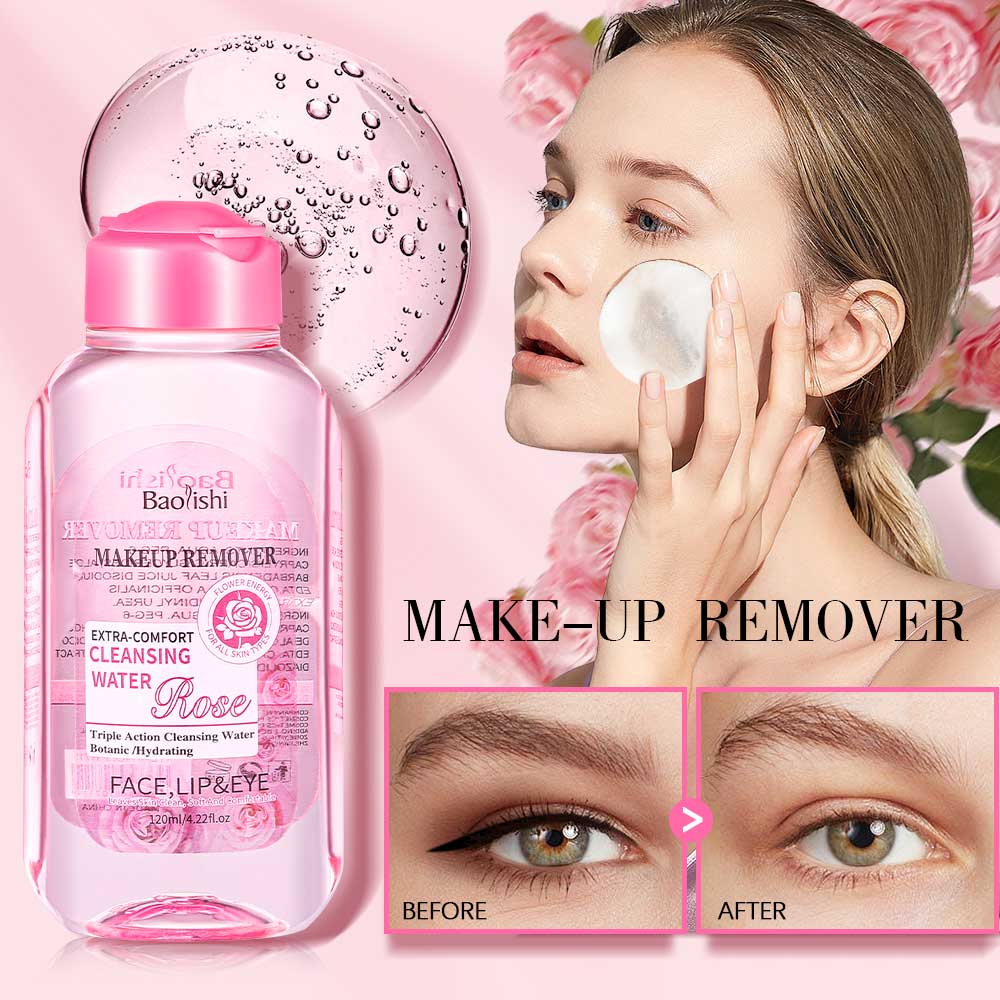
It is essential to manage a micellar water OEM launch more efficiently by locking down the use case, claim evidence, sample criteria and pack prior to approving the artwork for the label. As manufacturers of cosmetics and suppliers of OEM/ODM projects, BAOLISHI’s current listing for Micellar Cleansing Water for All Skin Types describes a no-rinse makeup remover designed for gentle makeup removal and to leave skin feeling hydrated. Before embedding these key selling points into a new label, it is essential that the brand confirms the formula, directions to use, supporting evidence, target market and packaging as a single product brief. Write the Product Brief Before Sampling A sample only has value when the manufacturer knows what the brand wants to prove with the sample. Define the buyer, sales channel, target market and make-up removal routine of the product. Define the skin feel that the brand is looking for and write out the use directions in observable terms instead of using terms such as “gentle” or “effective”. Don’t treat all Micellar Cleansing Waters the same – some are designed for normal every day makeup removal, others for heavier makeup and specific beauty routines. Also check that a product that is classified as a Cleanser / Makeup remover is to be used on the face only, or on the lips and/or eyes as well and get confirmation from the supplier regarding any claims and use areas listed in the category name. Target market and sales channel: Where will this product be sold? Who will use it? Removal brief: describe the types of makeup and the makeup removal routine your formula should be able to handle. Use experience: Define preferred Residue, Skin feel, Fragrance & Rinse instructions. Formula limits: State the ingredients that are forbidden or required as well as any market requirements. Claims and pack: Outline wordings, bottle shape, label information and proofing requirements prior to Artwork approval. Evaluate the Sample Against a Consistent Use Case Compare the test sample to your original sample by referring to the same makeup reference, applying in the same way, using the same pad or cloth and applying with the same amount of pressure. Determine how much product is needed to complete the test, how many times the test piece needs to be turned to complete the test, how the skin feels after the test and does the finish place the product as intended. It’s also important to check the instructions at the time you approve the formula. Our Micellar Cleansing Water is a no-rinse product and therefore we approve the sample and final instructions against the version we will be selling. Also, instructions for use in the eye area and sensitive skin statements need to be approved with product-specific support if relevant to concept. Keep the sample reference, formula version, package component, and written feedback together. If a formula or component changes after the first review, label the new sample clearly and repeat the relevant checks. Otherwise, the team may approve one experience while ordering a different formula or dispenser. Keep Product Claims Within the Evidence The current product page for all skin types is designed to promote gentle makeup removal and leave skin feeling hydrated. These are product positioning statements. You will need to verify which formula and supporting statements apply to your private label project and then have the wording reviewed for the specific destination market. For a product-specific starting point, look at our range of cleaning-waters and see which product is closest to your proposed formula and packaging. We would need the current formula’s ingredient listing and ask to see any quality or test data for that product. A formula change, ingredient substitution, fragrance change or change to the use instructions of a current product may require re-checking of the ingredient listing, label copy and any claims supporting documentation. Distinguish between internal requirements and public claims. Ask for relevant stability and compatibility evidence for the formula and packaging for the respective product and market. Verify document and formula version before any commitment for proof on carton, website or even on a respective online marketplace listing. Match the Package to the Formula and Channel Decisions made on packaging such as bottle size, cap, pump, material, design and label copy need to be communicated to the supplier and checked to ensure that the chosen packaging will work with the product formula and also be suitable for shipping and retail display. Review a filled package sample rather than approving a bottle image alone. Check closure fit, dispensing control, leakage during handling, label adhesion, legibility, and whether the product name and directions remain easy to read. These are buyer-side acceptance checks; agree on the actual test conditions with the supplier instead of assuming a standard from a product photograph. Before sending artwork to production, please confirm that all required information such as ingredient declaration, instructions, warnings, responsible party, batch #/expiration date, etc. are accurate for the target market. As requirements vary from country to country, please also verify the specific requirements of your local market. We can also discuss options for custom packaging and I will let you know which standard packaging components are available for your order and if custom packaging would change your MOQ or affect your sample request. Choose the Right Route for a Micellar Water OEM Project BAOLISHI-brand stock items can be a way to test customer interest with less of a financial commitment when the needed stock item is in stock. Note, however, that even stock items are tied to specific items, variants, packages and the current inventory. Stock items do not automatically become private label items, formula changed items or customized bottles. Be sure to ask for the exact SKU and confirm the brand presentation prior to listing the item for sale. Custom OEM/ODM products are best for brands that want their own formula direction, scent, product experience, packaging, brand logo and label. For customized cosmetics, we recommend starting with 10,000 units for planning purposes. Final MOQs will depend on product and packaging chosen, so be sure to confirm quantity and application first. Note that we have separate stock availability for small quantities of selected products. Please provide separate quotations for the stock route and the custom route. It would be helpful to compare the SKU/formula, packaging scope, sample requirements, minimum order quantity, who creates the artwork and what documents are available. This will highlight the trade off between testing a current brand-owned item when launch demand is unknown and paying for customization when product requirements and expected replenishment are known. Plan Approval, Production, and Reordering Before mass production, record approvals for the formula, sample, component, label, claims, and inspection documents. Name the approver and define how revisions are handled. Ask the supplier to confirm the production plan and terms after the scope is fixed; a general lead time may not apply to a custom project. You also need to decide how the feedback from the first order is going to influence the subsequent replenishments. Will you be looking at feedback, returns, product queries and sell-through on the chosen package size and retail channel? If you subsequently change the formula, labeling or ingredients for the next production run, make sure you refer back to the appropriate approval records to ensure that subsequent batches are approved against the appropriate approval records. Conclusion We help develop a new micellar water line successfully by checking claims, saving formula records, checking package, saving label for destination market and MOQ for project before we approve artwork and production. If you are launching a new cleansing-water line, we would like to know the target market first and then the product brief and preferred package and the order route best for you and then we can tell you the best next steps. FAQ Q: What should a beauty brand confirm before starting a micellar water OEM project? A: Define the target market, the makeup-removal use case, the skin feel that you are looking for, the formula limitations, packaging, claims and quantity that you are looking for. Then confirm which Product Version and associated records will be used for this project. This will enable the supplier to create an appropriate sample and limit any further changes after artwork and packaging approval. Q: Does BAOLISHI micellar cleansing water require rinsing? A: The current product listing for the micellar cleansing water is sold as a no-rinse product. Confirm the approved formula for your order and the final usage directions prior to printing the information for distribution in the market. The final statement should reflect the approved usage directions and comply with all requirements for distribution in the destination country or region. Q: Can I order a small quantity with a private label? A: For items we have listed under BAOLISHI brand stocks, quantities are usually listed for each item, and where there are various sizes or forms, quantities for each will be shown too. For customized micellar water, we recommend planning from around 10,000 units. Final MOQ depends on the selected formula, packaging and project requirements. It is best to clarify at quote stage whether MOQ quoted is for 1 product alone, or a combination of products, formulas, packaging types etc within same order. Q: Which documents should I request for a private-label cleansing water? A: Can you please share the current ingredient information for this formula? Additionally, could you please share what quality, test and market documents are available for the exact formula and packaging in question. Also, please confirm the specific labeling directions, any required warning statements and the supporting documentation for any claims prior to finalizing the artwork. Document requirements vary greatly by market and product and we need to ensure we are meeting the requirements of the countries where we intend to sell this brand.
Waterproof Mascara Manufacturing How to Evaluate Performance and Removal
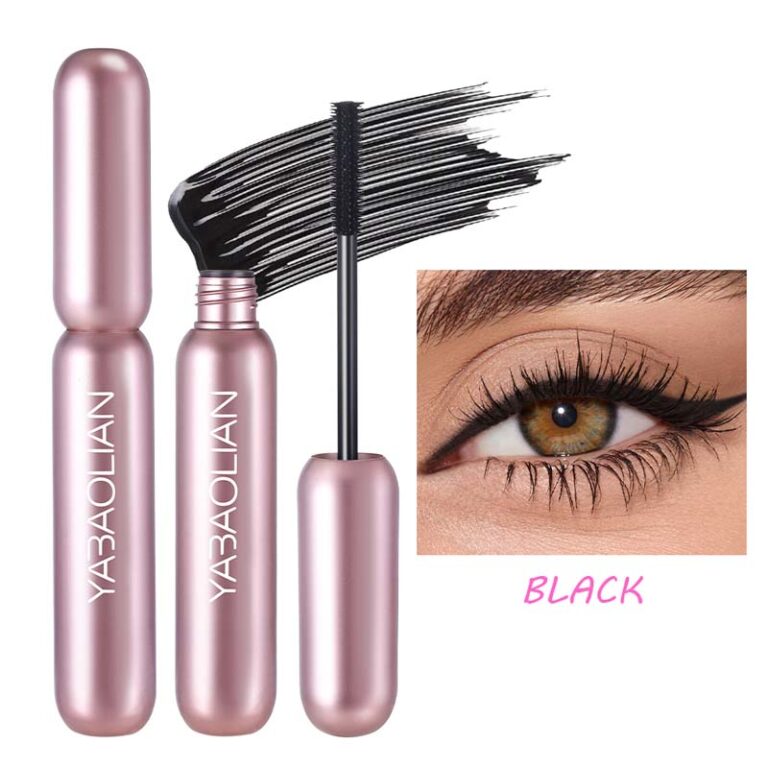
Which waterproof mascara sample should move forward? Application gives only an early clue. The real comparison starts when the wearer goes about her day and the two samples begin to behave differently. Brands come to BAOLISHI with different private label mascara priorities: waterproof wear, length, volume, curl, or definition. We settle the main priority first. A lengthening sample should not lose simply because another brush puts down more bulk. Put the Wearers Day on Paper Sketch the wearer’s day in two or three lines. Vague or conflicting claims soon become obvious. For example, she applies two coats at 8 a.m. Her day includes an air-conditioned office and time outdoors in humid weather. She checks below the eyes at noon and again at 4 p.m. The target is clear length, some volume, and clean skin; at night, she reaches for a dual-phase remover. Now there is a timeline and a visible outcome. A proposed 12-hour claim simply extends that timeline. The photograph taken at 9 a.m. remains useful, but it cannot stand in for the missing eleven hours. Why the Wiper Cannot Be an Afterthought Mascara is unusual because the package actively controls application. A wiper removes product from the brush on every withdrawal. Brush shape determines where that product reaches the lashes. The wand influences control and pressure. Suppose sample A leaves a neat brush but needs another dip halfway through application. Sample B applies both eyes in one dip, yet a lump sits on the brush tip. These are not abstract packaging complaints. They change speed, mess, clumping, and the amount used each day. Temporary components are fine while weak formulas are being removed. Once the choice narrows, fill the intended tube and use the intended brush, wand, wiper, and closure. That is the combination the customer will open. Our Y5104 waterproof mascara is one buildable reference covering length, volume, definition, and curl. A new brief still needs a front-runner among those effects. Without one, the comments pull in several directions at once. Use a Short Review Log The following is an example format, not a product test result. 8:00 Application Two coats on clean, dry lashes. No primer. Curl looks even. A small deposit appears on the brush tip after withdrawal. 8:10 Dry check No upper-lid transfer during normal blinking. Outer lashes remain separated. The second coat joins two lashes near the center. 12:30 Midday check No flakes visible. A faint gray mark appears below the right outer corner. Curl looks unchanged in the photograph. 4:30 Final check Two small flakes below the left eye. No dark band or broad smudge. The wearer reports a slightly stiff feel but no need to stop. 8:00 Removal Dual-phase remover held against the lashes before wiping. Most product releases on the second pass. Light residue remains at the roots. The times make this record useful. They show when the gray mark appeared and whether removal changed the wearer’s opinion. Keep the coat count, drying time, camera angle, curler rule, and remover unchanged when another sample is tested. Name the Failure Correctly Avoid a single box called “wear problem.” It hides too much. A smudge is product transferred to skin. A flake is a dry piece released from the lashes. Curl loss is visible when the lash angle drops. Record the location and time, not only the category. “Faint mark at the outer corner after four hours” gives the development team more information than “minor smudging.” Include different lash types. A broad brush can sweep through long lashes yet feel awkward near short inner lashes. On straight lashes, a small drop in angle is often easier to notice. Write Down the Water Contact “Splashed with water” is not enough for the record. Add the temperature, amount, contact time, and the pause before inspection. If the claim concerns humidity or sweat, the setup should concern humidity or sweat rather than an improvised sink test. Rubbing belongs in a separate challenge unless the proposed claim includes it. Otherwise, friction may explain more than the water does. Set the rejection rule before the favorite sample emerges. A few late flakes may be acceptable for one concept. Visible black transfer may not be. The rule should match the product description customers will read. Our five-core-product makeup collection guide helps brands consider this testing work alongside the SKU and inventory role of mascara. Use the Remover Customers Will Be Told to Use Take the remover named in the directions and repeat the same routine for both samples. Use the same amount and pad, wait the same length of time, then count each pass. Residue at the roots, tugging, or discomfort belongs in the notes. Switching from micellar water to an oil-based remover halfway through makes the comparison unclear. Where two options will be printed in the directions, give each one its own check. Eye-area wording must belong to the finished SKU. Do not carry “ophthalmologist tested,” “suitable for sensitive eyes,” “suitable for contact-lens wearers,” or “hypoallergenic” over from a related item. Lock the Version That Passed An approval record should identify the formula, shade, brush, wand, wiper, tube, and closure. Attach the application method, timed log, water challenge, removal notes, photographs, and claim decision. After a formula or component change, circle the affected parts of the log and run those checks again. This keeps an old result from following the wrong commercial pack. Frequently Asked Questions Q: How many people should test a development sample A: Panel size depends on the development question. Include the lash types relevant to the product and give everyone the same instructions. Formal claims may need a separately designed professional study. Q: Can the team test before final packaging arrives A: Yes. Temporary components can help remove weak formulas. The last comparison should use the brush, wand, wiper, tube, and closure selected for sale. Q: Is a flake the same as a smudge A: No. A flake is dry material released from the lashes. A smudge is transferred product on the skin. Q: Can waterproof mascara remove without heavy rubbing A: Yes, when the formula releases with the specified remover. Test removal separately from water resistance. Q: What changes can trigger another review A: Revisit the log whenever the formula, shade, brush, wand, wiper, tube, closure, or claim changes, then repeat the affected checks. Make the Final Call on the Filled Pack The first photograph starts the discussion; it should not end it. Contact BAOLISHI with your market, lead effect, brush reference, quantity, package direction, claims, and launch timing. We will use that brief to organize the sample review around the filled mascara you plan to sell.
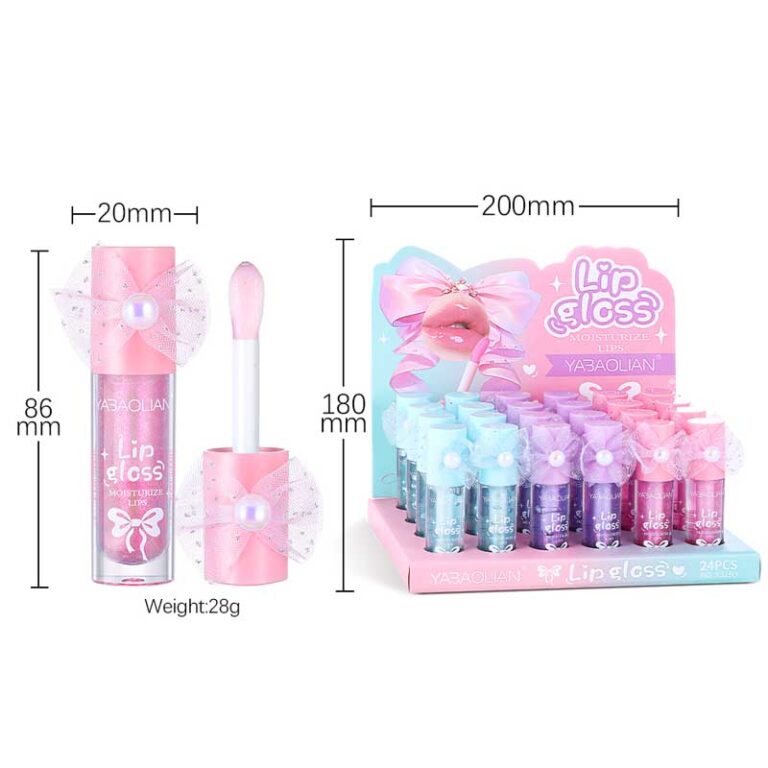
Lip Oil vs Lip Gloss vs Lip Tint Which Product Should Beauty Brands Launch in 2027
At first glance three transparent tubes on a table can look the same. But after wearing them for the day it becomes obvious how different they are. The first one feels very light, smooth and similar to a lip balm. The second one gives you a cushiony, shiny finish. The third one leaves a color residue on your lips after you’ve removed the product. In case of a beauty company launching its new product in 2027, a choice between lip oil, lip gloss, and lip tint should be made before falling in love with the tube itself, shade, and mood board. At BAOLISHI, we work across lip oils, glosses, stains, tints, and hybrid formats. The most useful way to choose between them is to work backward from the customer promise. What should the wearer notice after one swipe? What should remain after the shine fades? How many shades can the launch support? What component fits the target price? And how much inventory will the first order create? Those questions usually matter more than the category name alone. Lip Oil vs. Lip Gloss vs. Lip Tint at a Glance Format What the customer notices first What the brand must get right Best fit for Lip oil Slip, shine, and a care-like feel Formula flow, leakage control, and applicator pickup Small shade edits, lip-care-led concepts, and easy reapplication Lip gloss Cushion, reflection, and visible finish Viscosity, wiper, wand, and tube compatibility Finish-led launches, social commerce, gifting, and statement packaging Lip tint Lightweight color that remains after the surface layer fades Even staining, shade behavior, wear, and removal Long-wear color stories and shade-led collections This table is a starting point rather than a prediction that one category will automatically win in 2027. These solutions address different problems of customers than a reflective product that can be read immediately on short video formats and a tint that leaves color after drinking or blotted. The better launch is the one whose promise is clear, repeatable, and commercially manageable. Choose Lip Oil for Care-Led Shine Lip oil is relatable as a product that launches around the story of comfortable, shiny lips that can easily be reapplied and want to feel like a lip care product. A clear lip oil formula with 2-3 nice shades of tint would immediately feel like a complete collection and the brand wouldn’t have to hold a huge number of shades. The main development challenge is to control the formula in the can. Test the applicator for adequate pickup, leakage, slip, tack and uniform wear of tinted versions as surface oil moves. The tube, wiper and applicator need to be approved in conjunction with the formula. Our Y3190 plumping lip product can be used as a reference for a high-shine oil-gloss hybrid direction. When requesting samples, define the tint strength, fragrance, applicator load, plumping sensation, and finish you want to see on bare lips. Choose Lip Gloss for Finish and Flexibility A lip gloss provides the largest possible palette of visible finishes available to a brand. It can come in clear, milky, colored, pearlized, glitter, plumping, glassy, or nearly liquid form. The versatility of the product is another reason why its differentiation becomes very significant. Regular texture in regular packaging may be confused with numerous products available in the market. Provide your gloss with one distinguishing feature, for example, with glassy finish, brown-nude cushion gloss, shimmer collection, or reflecting plumping formula. It is important to test formula, wiper, applicator, and tube as a system because changing one of these elements may affect application properties of the product. The BAOLISHI Lip Gloss and Stain range shows several finish and packaging directions. Our private label lip gloss production timeline also explains how formula sampling, packaging approval, artwork, and bulk production fit together. Choose Lip Tint for Lasting Color Lip tint is the stronger candidate when the product promise is color that remains after the initial surface layer fades. Another often over-looked area of product development is the shades. Test all shades on a variety of natural lip colors, blot and then wear down the top layer to see the real color of the product. The inner lip area can become very dark with some shades or wear very unevenly. Also check whether a second layer improves an uneven area or simply makes it much deeper. Arm swatches are useful for comparing undertones, but they should not replace lip wear testing. Our Lip Tint category is a useful starting point for format discussion. For a first launch, three well-tested shades can be stronger than a larger range that has not been fully evaluated on the lips. Let Sales Channel, MOQ and Shade Count Break the Tie In cases where two packaging types match the product concept, the sales channel and the initial stock of products can be used as deciding factors. Lip oil and lip gloss are instantly eye-catching and easy to demonstrate using photos posted on social networks. In contrast, tint requires application and blotting after each application to showcase the color left on the lips. Packaging and shade communication is particularly crucial in retail stores compared to direct-to-consumer channels due to leakage, stickiness, and inaccurate shades photography. Calculate the opening SKU exposure. Additional shades, packaging variants, decorations, and custom components all increase the first-order commitment quickly. Before approving the range, confirm: – whether MOQ applies per shade or per component; – whether several shades can share the same package; – whether stock packaging or formulas are available; – and whether custom decoration has a separate minimum. Some of the BAOLISHI stock products may have lower starting quantities for order, while the full OEM/ODM customization service is generally prepared from 10,000 pieces based on the formula, packaging, color and customization requirements etc. Our five-product makeup collection framework can also help place shade count and inventory beside the rest of the launch plan. Which Lip Product Should Your Brand Launch If your priority is… Start with… Why A small first shade range Lip oil Clear and lightly tinted options can form a coherent edit Maximum finish flexibility Lip gloss Pigment, pearl, shimmer, glitter, plumping, and opacity can all vary Lasting color Lip tint Residual stain remains the central product benefit Immediate short-form video impact Lip gloss or lip oil Reflection and shine appear clearly on camera Fewer full reapplications Lip tint Color can remain after the surface layer wears away Lip-care-adjacent positioning Lip oil Oil-like slip and conditioning language fit naturally Packaging-led gifting Lip gloss Component and finish combinations offer strong visual flexibility Low shade-development complexity Clear or lightly tinted oil/gloss Fewer shades reduce approval work and opening inventory A differentiated 2027 concept Hybrid format A product can combine shine, conditioning, plumping, and residual color There is no universal winner. The best product is the one whose performance matches the customer promise and whose SKU count, MOQ, package, target cost, and production route fit the brand’s business model. Frequently Asked Questions Q: Is lip oil replacing lip gloss A: No. Typically lip oil starts off with a feeling of emollient slip and then a shiny finish. It feels caring and protective. Gloss on the other hand can have so many different characteristics such as color, tack, texture, special effects, lip plumping etc. Also packaging of gloss can be completely different from lip oil. Even though the target audience may overlap with that of lip oil, there are definite development briefs for gloss and lip oil that cannot be mixed up and developed as a hybrid. Q: Which format can start with the fewest shades A: A clear or lightly tinted lip oil can support a small first collection. A Gloss launch can include one clear shade and a few wears in a color. Tint doesn’t necessarily mean you have to launch with a huge number of shades but each shade needs more lip testing than a clear or gloss formula as the final lip stain will vary depending on the natural pigmentation of the wearer’s lips. Q: Can the same formula be called lip oil and lip gloss A: Some formulas may sit close to both categories. However, the product name should match the consumer experience, positioning, and claims the brand can support. Calling a conventional high-viscosity gloss a “lip oil” does not automatically create an oil-like sensory experience. Q: Which lip product is easiest to private label A: Existing stock lip oils and glosses with a small shade range can often be simple starting points because they reduce formula and packaging development. However, the easiest route depends on the manufacturer’s available formulas, components, stock shades, MOQ, and the amount of customization required. Choose the Promise You Can Repeat Lip oil is best suited to a care-led approach, while lip gloss has the widest creative scope. Lip tint performs best when longest lasting color is the main benefit of a product and it can be combined with the benefits of both lip oil and lip gloss to create a hybrid. What category will be best-selling for our new product line launch in 2027? Most likely not the category that is getting the most attention on the internet. The category that customers easiest can understand will be best-selling. Furthermore the company must be able to produce the product consistently. This means that the company should not produce too many shades, too many packages and too many shade combinations. Contact BAOLISHI and let us know your destination market, volume, target price, preferred finish, shade assortment, packaging, and planned launch date. We will take these parameters into account to decide which way we should go.
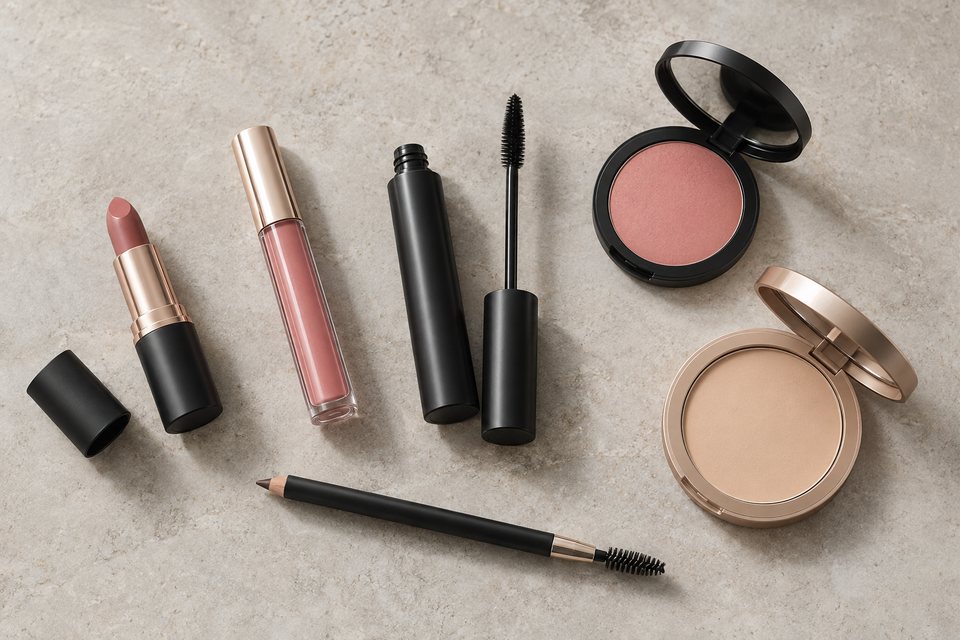
Vegan Private Label Makeup: Stock vs. OEM/ODM
Vegan private-label makeup is far more than just a clean beauty consideration for a niche market. For many cosmetics companies, the real challenge becomes how to introduce a more responsible item without investing heavily in stock or creating a lackluster offering. It really comes down to this: utilize existing inventory to gauge interest and transition into OEM/ODM thereafter. It is there that BAOLISHI will be helpful for B2B beauty teams. Small orders will be able to begin with BAOLISHI-labeled products, but larger customized orders can take the OEM/ODM route. For custom orders, BAOLISHI suggests at least 10,000 units be planned, and the possibility to customize product color, scent, state/texture direction, tube, logo, and packaging will exist. Why Vegan Private Label Makeup Is a Commercial Decision While vegan positioning might draw some initial interest, consumers will ultimately evaluate their cosmetic products based on how they perform. Lip gloss should feel nice, blush should blend, and mascara should go on smoothly. The narrative around ethics will work most effectively if it is built on top of something that consumers really like to use. Thus, the development process becomes a business decision rather than a production one. Consumers need to balance inventory, time to market, packaging, product branding, and acceptable risks prior to sales analysis. Start With the Business Problem, Not the Product Wishlist A common private label mistake is to customize everything at once: shade, scent, texture, tube, applicator, and carton. Each extra variable adds cost and decisions before the market has proved anything. An established brand may be ready for that. A first launch often is not. Start with the business problem instead. Is the goal to test a lip oil category, fill a seasonal retail gap, or replace an aging product? Once the purpose is clear, it becomes much easier to decide how much customization is actually worth paying for. Stock Products Help Brands Test Without Overcommitting Small-batch stock is useful when speed and learning matter more than owning every detail. A business can test a category, sales channel, or price position without committing immediately to a large custom run. That is valuable for young brands and distributors that need real market feedback before making bigger production decisions. BAOLISHI supports this route with existing BAOLISHI-branded products for smaller-quantity orders. The real benefit is not simply a lower starting volume. It lets buyers answer one question first: does the category sell? Only then do they need to decide whether a more distinctive custom version deserves a larger investment. When Stock Stops Being Enough Stock works when a brand can accept the existing product direction. It becomes limiting when the idea depends on a signature shade family, specific fragrance, different texture, custom tube, or packaging that must match an established identity. At that point, the project is no longer only testing demand; it is building something the brand wants to own. OEM/ODM Makes More Sense When Differentiation Matters OEM/ODM becomes more useful as you understand what you wish to design and control. For example a lip gloss may feel very different depending on the viscosity, transparency, scent, applicator pick up and the shape of the tube and packaging. Although products may be trending in the market, many will offer slightly different customer experiences.Customization for lip gloss, for instance, includes formula, color, fragrances, finish, applicator, tube shape and packaging. Planning from 10,000 pieces up makes sense if you can apply it to solve a problem in your business model, instead of just offering more variety for variety’s sake. BAOLISHI supports a broad array of customization options for all of these aspects. For a closer look at the available development routes, explore BAOLISHI OEM/ODM cosmetic capabilities. Formula and Packaging Have to Work as One System Packaging is not just decoration. A tube, wiper, wand, cap, or pump changes how a product is dispensed and used. A component can look right in a rendering and still feel wrong once it is filled with the actual formula. That is why B2B buyers should review formula and packaging together. A thick gloss and a fluid lip oil may behave very differently with the same applicator. BAOLISHI’s customization model makes it possible to consider the product state and the tube or packaging as one system rather than two separate buying decisions. Brands comparing formats and launch approaches can also review BAOLISHI cosmetic industry insights for practical category examples. What B2B Buyers Should Look for in a Manufacturing Partner The best manufacturing partner is not necessarily the one offering the longest customization list. More important is the development model that suits your stage of development as a buyer. A startup needs speed to develop and time to learn, whereas an established brand typically knows the sensory profile of a product, the look & feel of components and the packaging concept that it wants to develop into a brand owned position. We support you in your progress steps without confining all projects to the same model. The Buyer starts with smaller quantities of BAOLISHI branded articles and switches to OEM/ODM as soon as there is a reason to change. Growing teams thus have the option to keep both routes open until they have reached the scale that warrants a change. For a category-specific example of how formula and component choices come together, see BAOLISHI lip gloss development guidance. FAQ Q: What is vegan private label makeup? A: Vegan private-label makeup refers to cosmetic products that adhere to vegan principles and are sold under a brand’s own name. You can choose from ready-made stock or opt for OEM/ODM customization—tailoring shades, textures, scents, packaging materials, logos, and box designs—to flexibly meet your brand’s specific needs. Q: Is stock makeup a good option for a new beauty brand? A: It is highly suitable. The ready-made stock model eliminates complex development processes and supports small-batch trial orders, making it ideal for testing the waters with new product categories or sales channels. BAOLISHI offers private-label stock makeup, helping clients launch quickly at a low cost and gauge genuine market feedback. Q: When should a brand move from stock to OEM/ODM? A: You should upgrade to customization when standard stock products fail to create brand differentiation or when you need a unique product identity. OEM/ODM allows for full control over formulas, shades, scents, textures, packaging materials, and design, enabling you to build exclusive product advantages—ideal for long-term brand development. Q: What can BAOLISHI customize for a private label makeup project? A: BAOLISHI supports comprehensive, one-stop customization covering formulas, colors, scents, product textures, containers/packaging materials, logos, and overall packaging design. We utilize systematic, integrated solutions to ensure all components are perfectly matched and the finished product has a cohesive, high-quality feel. A More Practical Vegan Private Label Makeup Strategy Private-label vegan cosmetics products are sold in a professional and adequate manner when consideration is given to the growth stage of the brand, a reasonable investment is made in relation to possible returns in the market, and steady growth is achieved. During the initial market testing phase, when it is not yet clear whether there is sufficient demand for a product, a “ready-stock” strategy is implemented in order to make a smooth and fast launch possible and to minimize risks of any surplus inventory. Once sufficient market data is available, and clear insight has been gained into the preferences of consumers and the brand positioning, a deep-customization strategy can be implemented for the OEM/ODM products, in order to create a unique selling proposition. The team at BAOLISHI understands fully the challenges that are faced by all beauty brands and therefore has created a partnership solution that covers all the bases from initial market testing with small batch ready stock products to full market cultivation with full OEM/ODM customization to private-label vegan cosmetics brands. The range of small batch, ready stock private-label products allow the new brand to enter the market quickly and test out the responses from consumers. On the other hand, BAOLISHI’s OEM/ODM customization to private-label vegan cosmetics brands has a minimum order quantity of 10,000 units and allows for extensive personalization of products including shades, fragrances, textures, packaging materials, logos and packaging styles. This unique partnership solution enables the B2B buyer to find the perfect balance between vegan brand positioning and risk of inventory, speed to market and product differentiation to name but a few factors. The solution is efficient, practical and hassle-free for private-label vegan cosmetics brands.
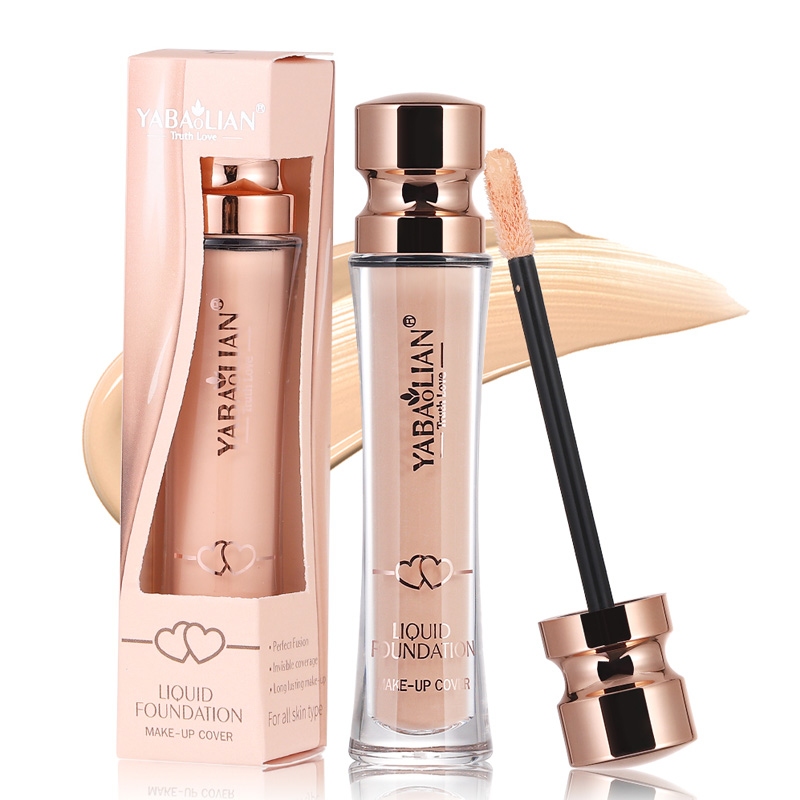
Best Foundation for Dry Skin, Oily Skin, and Mature Skin: How Beauty Brands Plan a Smarter Base Makeup Line
The best foundation for a beauty line is not one universal formula; it is a balanced range that answers dry skin, oily skin, mature skin, shade matching, coverage, and wear expectations at the same time. For brands, the smarter question is how a foundation system should behave across real skin types, climates, and makeup routines. BAOLISHI offers face makeup options that help brands think through texture, finish, and private label positioning without turning foundation development into a guesswork exercise. Why Best Foundation Search Intent Has Changed People searching for the best foundation rarely want a single winner anymore. They compare full coverage foundation with lightweight foundation, matte finishes with glow finishes, and products that can sit comfortably through a full day without looking heavy. That shift matters for brand planning because foundation is often the product that earns or loses daily trust. A customer may try a lip color for fun, but base makeup has to solve texture, tone, comfort, and wear in a way that feels personal. For private label beauty brands, a stronger base makeup line starts by grouping formulas around skin concerns instead of only chasing trend words. Dry skin needs comfort and a smoother look; oily skin needs oil control and a finish that holds; mature skin needs a finish that respects texture rather than settling into it. Best Foundation Planning Starts With Skin Behavior A brand can describe a foundation as liquid, matte, waterproof, or full coverage, but customers judge it by what happens after application. Does it grip dry patches? Does shine break through too quickly? Does it blur unevenness without making fine lines more visible? BAOLISHI foundation options give useful anchors for these decisions. The B8970 liquid foundation is presented as a waterproof liquid concealer makeup for all skin, with a 35 ml net content and ingredients highlighted around a hyaluronic complex and vitamin C. That makes it relevant as the best foundation for dry, mature skin, where hydration feel, even tone, and a softer look are more important than a flat mask. For oil-control positioning, BAOLISHI also offers y7070, an oil-control waterproof long-lasting matte foundation in liquid form for all skin types. That type of foundation gives brands a clearer path when building a full-coverage matte foundation for oily skin, especially when the product story needs to focus on lasting wear and a cleaner finish. Dry Skin Needs Comfort Before Coverage Foundation for dry skin has to look smooth before it tries to look flawless. If the formula feels tight or catches on uneven texture, even attractive coverage can read as aging or uncomfortable on the face. In a commercial line, dry-skin products often benefit from a liquid texture, flexible coverage, and a finish that keeps the complexion from appearing flat. B8970 is useful here because BAOLISHI describes it around a youthful glow, a more even skin tone, blurred imperfections, and hydration-related ingredients. That does not mean every dry-skin product needs to be dewy. The better move is to position the formula around comfort, smooth blending, and a healthy-looking finish, then build shade and undertone choices that make the product useful beyond a narrow trend moment. Oily Skin Needs Control Without Weight Foundation for oily skin is often marketed around matte wear, but an overly dry texture can create a different problem: heaviness. A modern oily-skin formula should manage shine while still feeling wearable through normal facial movement. The y7070 foundation from BAOLISHI is relevant because its product positioning connects oil control, waterproof wear, liquid formulation, and a matte finish. For a beauty brand, those signals help shape a product brief for customers who want lasting makeup that still applies like a liquid base rather than a thick paste. A line aimed at oily or combination skin should also consider where the customer uses it. Daily office makeup, warm-weather routines, event makeup, and creator-facing camera makeup may all need different levels of coverage and transfer resistance. Mature Skin Needs a Softer Finish Foundation for mature skin should support the complexion instead of hiding it under a rigid layer. The most convincing products help skin tone look more even while keeping movement, dimension, and a comfortable feel. This is where full coverage foundation and lightweight foundation can work together inside one line. A brand may offer a more perfected liquid for evening or camera use, then add a lighter everyday base for customers who want polish without a highly made-up effect. BAOLISHI’s face makeup category gives brands a practical place to frame those choices across foundation, powder, concealer, setting powder, setting mist, and related face products. A base line becomes stronger when it considers the whole routine rather than one bottle in isolation. Shade Range Is a Product Experience How to choose foundation for different skin types is not only a formula question. Shade range, undertone clarity, packaging usability, and finish language all shape whether a customer feels understood before they even test the product. A practical shade strategy starts with everyday skin tones and undertones, then checks how the formula looks after it sets. Matte products can appear different once dry, while hydrating textures may look more luminous under warm light. Private label foundation for beauty brands should therefore be planned as a range, not a single hero shade. Even when a first launch stays focused, the formula should leave room for future shade expansion and adjacent products such as concealer or setting powder. Conclusion The best foundation for a modern beauty brand is a thoughtful system: comfort for dry skin, balance for oily skin, softness for mature skin, and enough shade logic to feel credible. BAOLISHI supports that planning with liquid foundation options, waterproof and matte positioning, and face makeup categories that help brands think beyond a single product claim. Explore BAOLISHI foundation options to shape a base makeup line that feels practical, wearable, and ready for real daily routines. FAQ Q: What makes the best foundation different for dry, oily, and mature skin? A: Dry skin requires comfort and a smoother look; oily skin requires balance in the glow effect; and mature skin requires flexibility in finish, without highlighting wrinkles. The ideal foundation line would take these aspects into consideration rather than placing all customers in one coverage and finish category. Q: Is full coverage foundation always better for oily skin? A: Not always. Matte or oil-control base is generally best for oily skin, although too much weight could cause makeup to look cakey. However, an oil-free liquid full-coverage matte base that strikes the right balance between dry down and comfortable wear could be effective. Q: Why should a brand consider lightweight foundation in the same line? A: Lightweight foundation supports customers who want daily polish without a highly covered look. It can also complement a fuller coverage product by giving the line more routine flexibility, especially for mature skin, dry skin, or markets where natural base makeup is preferred. Q: How can BAOLISHI fit into private label foundation planning? A: BAOLISHI offers foundation products with liquid, waterproof, matte, and all-skin positioning, giving beauty brands practical starting points for line planning. The value is not just in one specification, but in matching texture, finish, shade logic, and customer use cases.
