
Loose Powder vs. Pressed Powder: A Product-Line Selection Guide for Beauty Brands
-
 author
13th November 2026

Typically within a beauty brand’s product offering, the setting powders are of two different types of formulations. Loose setting powders are meant to be used by the consumer for light setting of makeup in their own homes, whereas pressed powder formulas are packaged in compact cases that are easy to carry in a purse or other bag for ‘touch-ups’ while the consumer is on the go. All of the above factors are taken into consideration when determining whether a particular product should be a loose setting powder or a pressed setting powder. As a manufacturer of makeup on an OEM/ODM basis, BAOLISHI can establish whether it is best to develop a particular product as a loose setting powder or as a pressed setting powder prior to formulating and packaging said product. First, we need to establish the role that the product is intended to play, and then develop the appropriate formula and packaging for that purpose.
How Loose Powder and Pressed Powder Differ
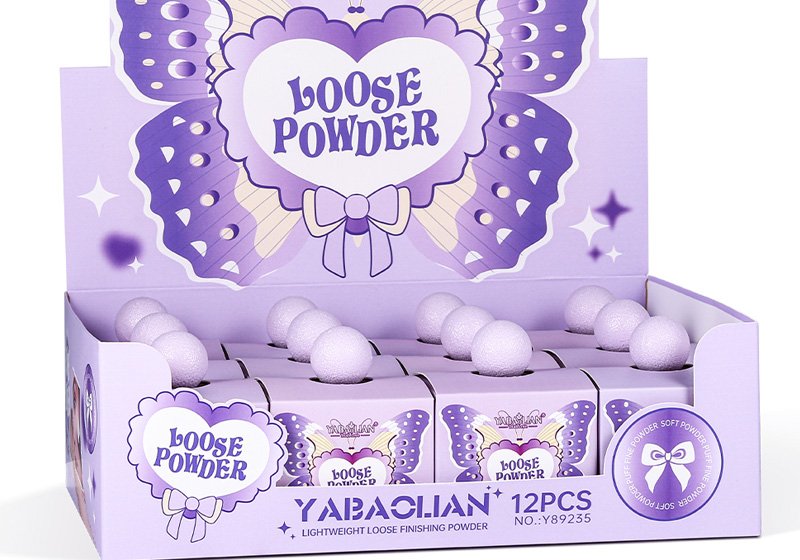
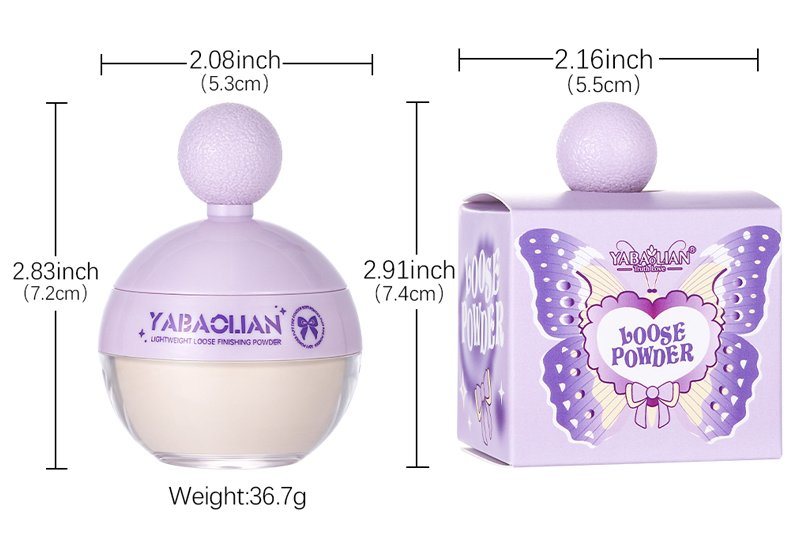
Loose powder is a free-flowing formula that is packaged in a jar with a sifter or other similar type of container to dispense the product. This type of powder is typically used to set makeup, complete a base makeup look, or even used as a light dusting of powder for daily touch-ups. Because the powder is in a loose form, the closure, sifter, or other means of dispensing the powder, as well as the package instructions for use, affect the level of control that a consumer has when using the product. This type of formula is best suited to be used by a consumer who is applying makeup in the home environment. The packaging must also be evaluated for portability and for mess when used normally.
Pressed powder is compacted into the pan of a case and sometimes even comes with an applicator or mirror. As a pressed powder, the product forms a solid which is great for using in areas of the face and for touching up throughout the day on the go. A compact is also a great surface for a brand to showcase. Pressed does not necessarily equal light coverage, portable in every sense, long wearing. The product, pan, case, applicator, instructions and product claims all have to be validated.
Whether it’s a finishing product like a loose setting powder or a compact touch-up product like a pressed powder, both formats can belong to the complexion category and fulfill different needs of use. Below are examples of two product pages: loose powder and pressed powder.
Choose by Routine, Channel, and Customer Use
For a first assortment, choose products that the customer will use at different times and in different places. A loose product is best suited for use in the home in a makeup station or as part of a finishing routine when the customer has time to fully makeup the face. A pressed product is best for a handbag makeup line, travel, or for a retailer looking for compact products to offer to their customers. Again, these are positioning ideas and performance is not guaranteed. All products must be tested with completed packaging on the end user before any claims or instructions for use are assigned.
Online retail images of e-commerce products should clearly show the packaging and the dispensing method. Retail store displays would benefit from products that have a compact footprint or clear shade displays. Products that come in both formats should be clearly distinguished by product name, packaging color, applicator information and benefit language. Only offer two nearly identical SKUs for the same use if there is a meaningful price point, shade range or retail location difference.
Compare Formula, Coverage, and Finish Briefs
Create a brief for each of the product types you are looking for. This should outline the skin tones you are looking to cover and how many shades you think you will need. It should also outline the finish of the product, where it is to be used, what kind of texture you are looking for and how it relates to your foundation and/or setting spray products. If oil control or high coverage is part of your positioning ensure you understand what this means for your brand and how you will test and evaluate the finished product. The initial product-page product descriptors can be used as a starting point for discussion with formulators but these must be checked against the finished, custom-formulated product and corresponding evidence for respective markets.
Test the flow of loose powder, control of dispensing, residue left around sifter, etc. and see if packaging will work for intended application. Test the pan of pressed powder for integrity, how powder picks up off of sponge or brush, how pressed powder will fall out of compact in normal use, and how well compact will protect product in a bag. Test actual formula in proposed packaging – same powder, completely different delivery!
Make Packaging and Shade Architecture Part of the Decision
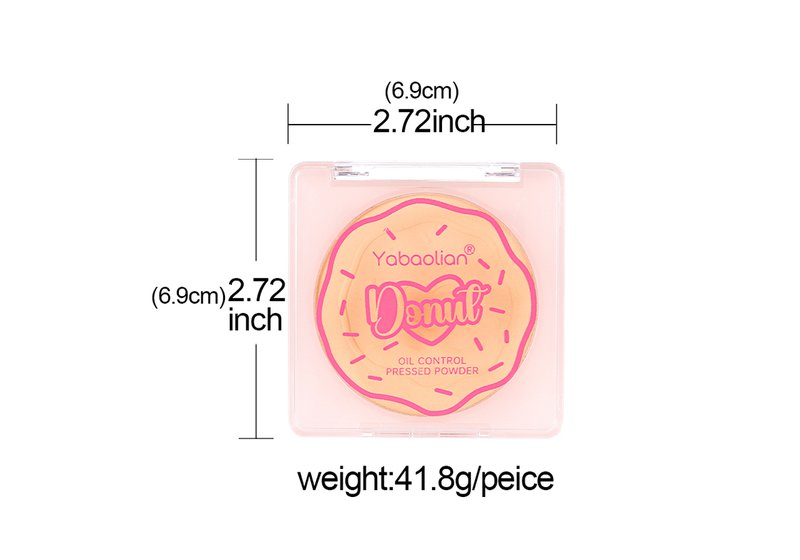
A packaging brief outlines the outer packaging, closing, print, logo, applicator etc. which the customer requires for normal use of the loose powder or pressed powder product. The opening and closure of the loose powder products must be suitable while the case and pan presentation of the pressed powder products must also be suitable. Samples must fit well, look good, be easy to use and to transport before agreeing the production artwork. The above images show one of the possible ways in which the packaging for loose powder or pressed powder can be designed. For customized OEM or ODM projects the packaging will be realized with the brand identity of the buyer and with the components of their choice.
Similar care should be given to the shade architecture as to the packaging architecture. While having many shades can service many customers, it adds to the issues of sampling, inventory and merchandising. Launch a line with a focused number of shades that will work for your intended customer, and then based on feedback from sales and customer comments to the brand, add more shades. Confirm with your manufacturer what formulas, colors, fragrances, textures, pack tube or case and logo options are available for your project.
Plan OEM or ODM Development and Testing
As a cosmetic OEM / ODM manufacturer for customized products we specify in the brief right from the start whether a product is to be launched on the market as Vegan and/or cruelty-free. All formula documentation, declarations for the used raw materials, production requirements and corresponding brand claims can then be checked and confirmed in due course. A Vegan and/or cruelty-free positioning does not replace any market-specific label-checks, however. The final claims for a product have to correspond with the corresponding documentation for the respective product.
We recommend Custom Projects starting from 10,000 pieces. BAOLISHI’s small-batch stock purchasing refers to BAOLISHI’s branded products, which are clearly separated from customers’ brands for OEM or ODM production. Quotations for loose or pressed custom powders for custom projects clearly state the exact minimum quantity, available package types, sample stages, responsible testing and time frames for the chosen development route. Stock terms for BAOLISHI’s branded products do not automatically apply to custom products, and not all packages are available in all quantities for custom products.
Check the sample against the agreed brief for sample appearance, feel, method of application, color/shade, pack and any special claims. Check what test reports will be supplied and what the brand needs to arrange for testing in their destination markets. If the sample is amended after approval of the initial sample, re-evaluate the relevant Formula, Components and Claims prior to production to ensure that selection criteria are relevant to the product that is being sent to customers.
Conclusion
Is face powder best offered in a loose format or in a pressed face powder compact? The decision is a product-line decision and also highly dependent on the user’s routine and the respective delivery format. To reiterate, our finishing-focused face powder is a loose product, whereas the pressed face powder is a compact that is best used for spot applications or for make-up touch-ups. Thus, as with any product, formula, packaging and claim are key. A brand interested in both versions can clearly distinguish between the two roles of said products and then test corresponding samples in corresponding packaging. We can then also align MOQ and brand development accordingly. For a custom face powder brief we are interested in knowing whether you prefer the loose or pressed format and corresponding shade direction. We are also interested in learning about your preferred packaging concept and target market as well as your estimated volume of interest. Please get in touch with the BAOLISHI team.
Frequently Asked Questions
Q: Is loose powder better than pressed powder for setting makeup?
In terms of most daily use, there is no need to choose between the two types of powder products. Loose powder is best used as a final touch up all over the face while pressed powder is more portable for ‘spot touch-ups’ on the go. Make sure to review the finished formula, the applicator, the packaging and the instructions. Also make sure to test the wear time and setting claims of the product before you launch it.
Q: Which powder format is more convenient for travel?
While pressed powder products are compacted in a case to make them portable, the convenience of pressed powders also depends on the case, closure, applicator etc. Loose powders can also be suitable for traveling if the pack is well designed and does not run the risk of leakage, breakage, poor handling or inadequate application.
Q: Can a brand offer both loose and pressed powders?
Yes, if each SKU has a distinct role, such as a loose finishing product and a pressed touch-up option. Give shoppers clear naming, package cues, application guidance, and benefit language so the products do not appear interchangeable. Sample both formats and confirm that the shade and price architecture supports the additional SKU.
Q: What is the MOQ for a custom BAOLISHI powder product?
We recommend undertaking a Customized OEM or ODM project from 10,000 pcs onwards. Small-batch stock purchasing refers to BAOLISHI-branded stock and is a separate path to customer-brand purchasing. We would provide a project quotation and advise on the exact MOQ, packaging options, sample plan and testing scope for the chosen powder format as part of the project.