
Waterproof Mascara Manufacturing How to Evaluate Performance and Removal
-
 author
24th October 2026

Which waterproof mascara sample should move forward? Application gives only an early clue. The real comparison starts when the wearer goes about her day and the two samples begin to behave differently.
Brands come to BAOLISHI with different private label mascara priorities: waterproof wear, length, volume, curl, or definition. We settle the main priority first. A lengthening sample should not lose simply because another brush puts down more bulk.
Put the Wearers Day on Paper
Sketch the wearer’s day in two or three lines. Vague or conflicting claims soon become obvious.
For example, she applies two coats at 8 a.m. Her day includes an air-conditioned office and time outdoors in humid weather. She checks below the eyes at noon and again at 4 p.m. The target is clear length, some volume, and clean skin; at night, she reaches for a dual-phase remover.
Now there is a timeline and a visible outcome. A proposed 12-hour claim simply extends that timeline. The photograph taken at 9 a.m. remains useful, but it cannot stand in for the missing eleven hours.
Why the Wiper Cannot Be an Afterthought
Mascara is unusual because the package actively controls application. A wiper removes product from the brush on every withdrawal. Brush shape determines where that product reaches the lashes. The wand influences control and pressure.
Suppose sample A leaves a neat brush but needs another dip halfway through application. Sample B applies both eyes in one dip, yet a lump sits on the brush tip. These are not abstract packaging complaints. They change speed, mess, clumping, and the amount used each day.
Temporary components are fine while weak formulas are being removed. Once the choice narrows, fill the intended tube and use the intended brush, wand, wiper, and closure. That is the combination the customer will open.
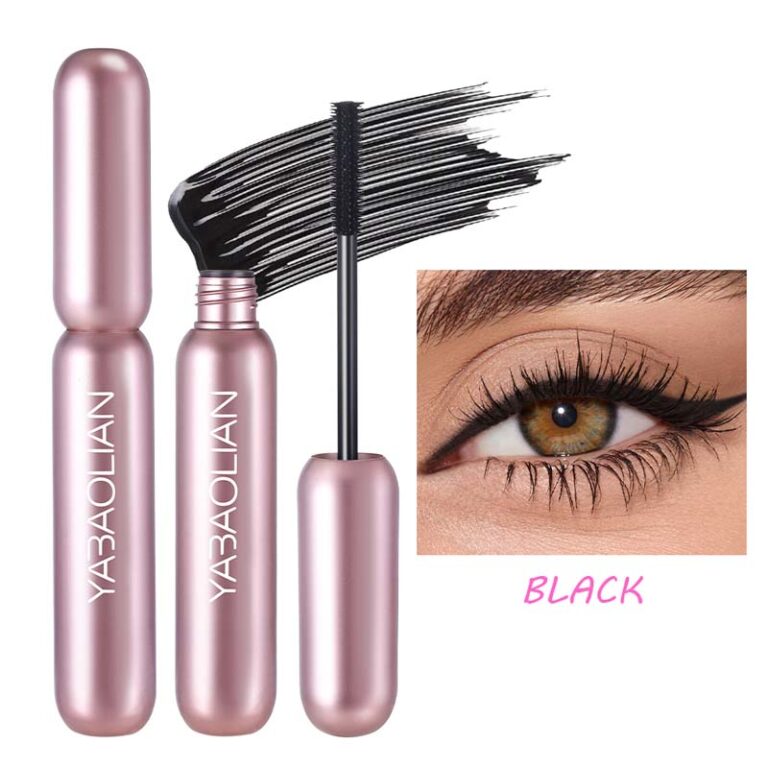
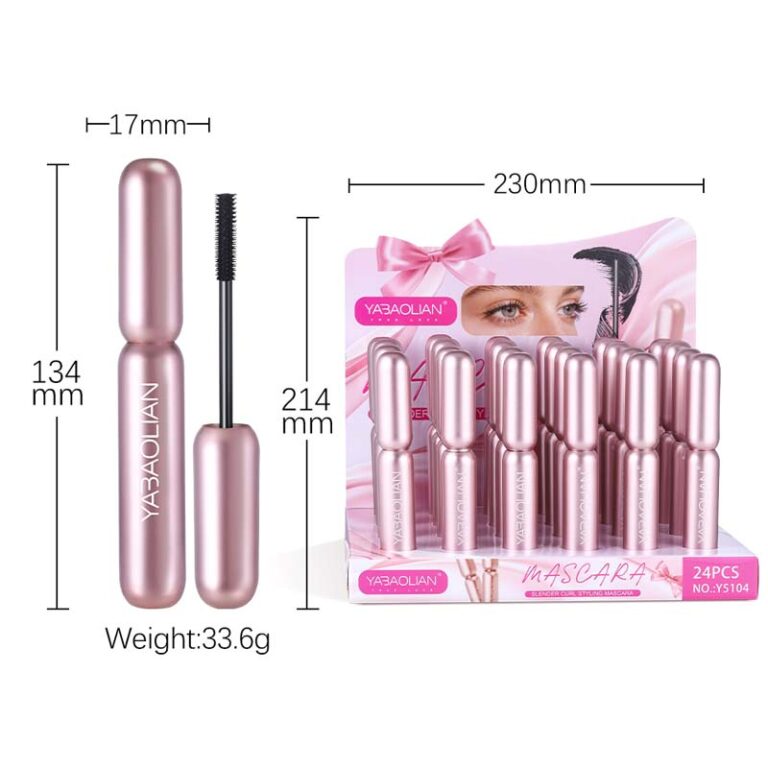
Our Y5104 waterproof mascara is one buildable reference covering length, volume, definition, and curl. A new brief still needs a front-runner among those effects. Without one, the comments pull in several directions at once.
Use a Short Review Log
The following is an example format, not a product test result.
8:00 Application
Two coats on clean, dry lashes. No primer. Curl looks even. A small deposit appears on the brush tip after withdrawal.
8:10 Dry check
No upper-lid transfer during normal blinking. Outer lashes remain separated. The second coat joins two lashes near the center.
12:30 Midday check
No flakes visible. A faint gray mark appears below the right outer corner. Curl looks unchanged in the photograph.
4:30 Final check
Two small flakes below the left eye. No dark band or broad smudge. The wearer reports a slightly stiff feel but no need to stop.
8:00 Removal
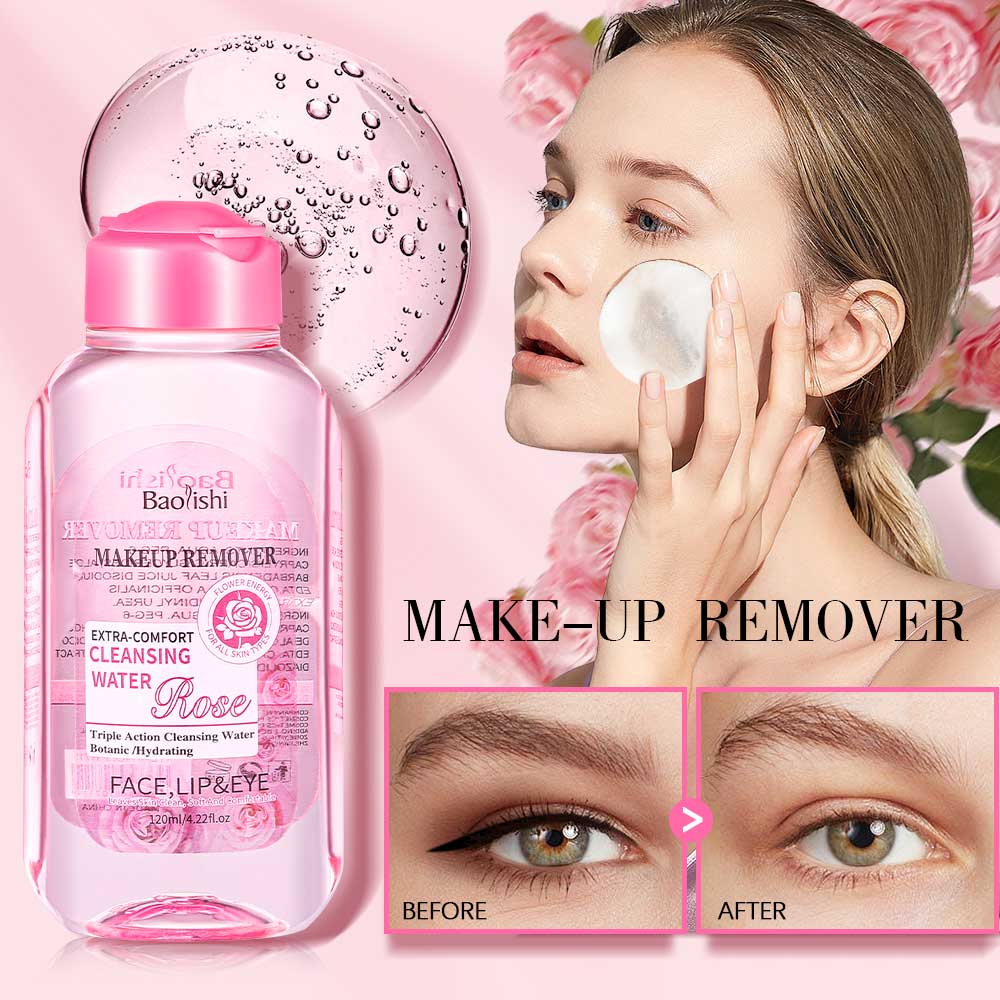
Dual-phase remover held against the lashes before wiping. Most product releases on the second pass. Light residue remains at the roots.
The times make this record useful. They show when the gray mark appeared and whether removal changed the wearer’s opinion. Keep the coat count, drying time, camera angle, curler rule, and remover unchanged when another sample is tested.
Name the Failure Correctly
Avoid a single box called “wear problem.” It hides too much.
A smudge is product transferred to skin. A flake is a dry piece released from the lashes. Curl loss is visible when the lash angle drops. Record the location and time, not only the category. “Faint mark at the outer corner after four hours” gives the development team more information than “minor smudging.”
Include different lash types. A broad brush can sweep through long lashes yet feel awkward near short inner lashes. On straight lashes, a small drop in angle is often easier to notice.
Write Down the Water Contact
“Splashed with water” is not enough for the record. Add the temperature, amount, contact time, and the pause before inspection. If the claim concerns humidity or sweat, the setup should concern humidity or sweat rather than an improvised sink test.
Rubbing belongs in a separate challenge unless the proposed claim includes it. Otherwise, friction may explain more than the water does.
Set the rejection rule before the favorite sample emerges. A few late flakes may be acceptable for one concept. Visible black transfer may not be. The rule should match the product description customers will read.
Our five-core-product makeup collection guide helps brands consider this testing work alongside the SKU and inventory role of mascara.
Use the Remover Customers Will Be Told to Use
Take the remover named in the directions and repeat the same routine for both samples. Use the same amount and pad, wait the same length of time, then count each pass. Residue at the roots, tugging, or discomfort belongs in the notes.
Switching from micellar water to an oil-based remover halfway through makes the comparison unclear. Where two options will be printed in the directions, give each one its own check.
Eye-area wording must belong to the finished SKU. Do not carry “ophthalmologist tested,” “suitable for sensitive eyes,” “suitable for contact-lens wearers,” or “hypoallergenic” over from a related item.
Lock the Version That Passed
An approval record should identify the formula, shade, brush, wand, wiper, tube, and closure. Attach the application method, timed log, water challenge, removal notes, photographs, and claim decision.
After a formula or component change, circle the affected parts of the log and run those checks again. This keeps an old result from following the wrong commercial pack.
Frequently Asked Questions
Q: How many people should test a development sample
A: Panel size depends on the development question. Include the lash types relevant to the product and give everyone the same instructions. Formal claims may need a separately designed professional study.
Q: Can the team test before final packaging arrives
A: Yes. Temporary components can help remove weak formulas. The last comparison should use the brush, wand, wiper, tube, and closure selected for sale.
Q: Is a flake the same as a smudge
A: No. A flake is dry material released from the lashes. A smudge is transferred product on the skin.
Q: Can waterproof mascara remove without heavy rubbing
A: Yes, when the formula releases with the specified remover. Test removal separately from water resistance.
Q: What changes can trigger another review
A: Revisit the log whenever the formula, shade, brush, wand, wiper, tube, closure, or claim changes, then repeat the affected checks.
Make the Final Call on the Filled Pack
The first photograph starts the discussion; it should not end it. Contact BAOLISHI with your market, lead effect, brush reference, quantity, package direction, claims, and launch timing. We will use that brief to organize the sample review around the filled mascara you plan to sell.