
How to Plan a Custom Eyeshadow Palette for a New Beauty Brand
-

 author
11th September 2026
author
11th September 2026
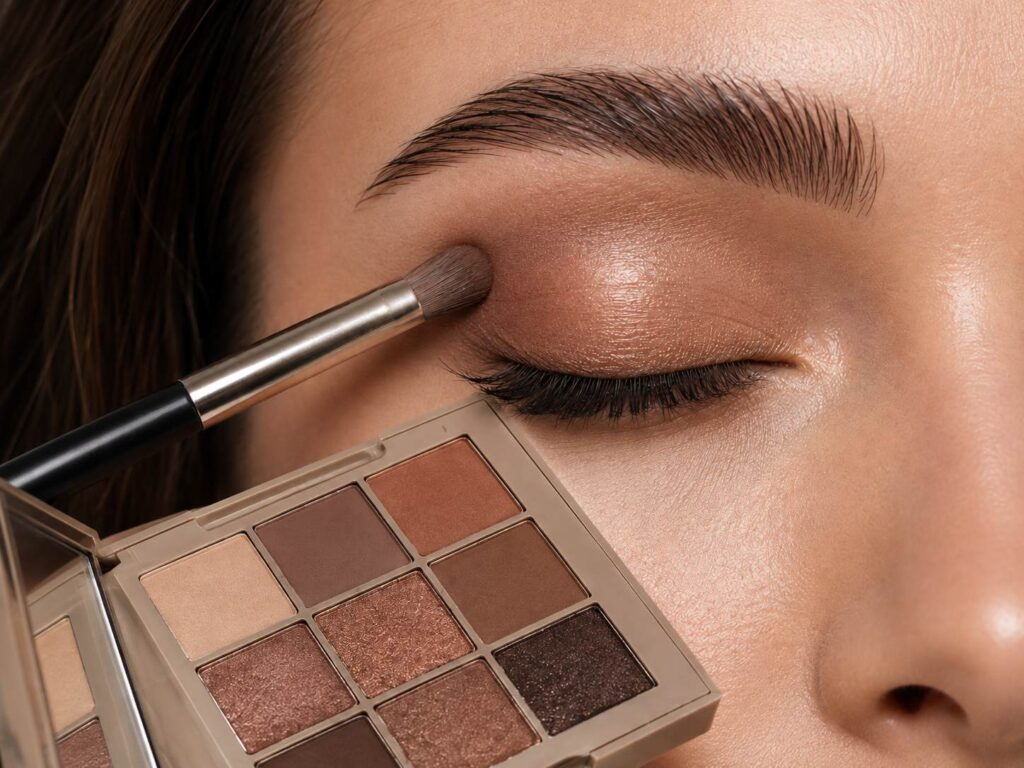
A custom eyeshadow palette should be planned as a complete product system: shade story, formula, pan layout, package structure, decoration, testing, and replenishment. A palette can look attractive in a concept image but still fail if the colors overlap, the formula does not suit the target market, or the packaging cannot protect the pans in transport. BAOLISHI provides formula customization, packaging development, and finished-product inspection for beauty brands.
Build the Shade Story Before the Formula
Shade Story
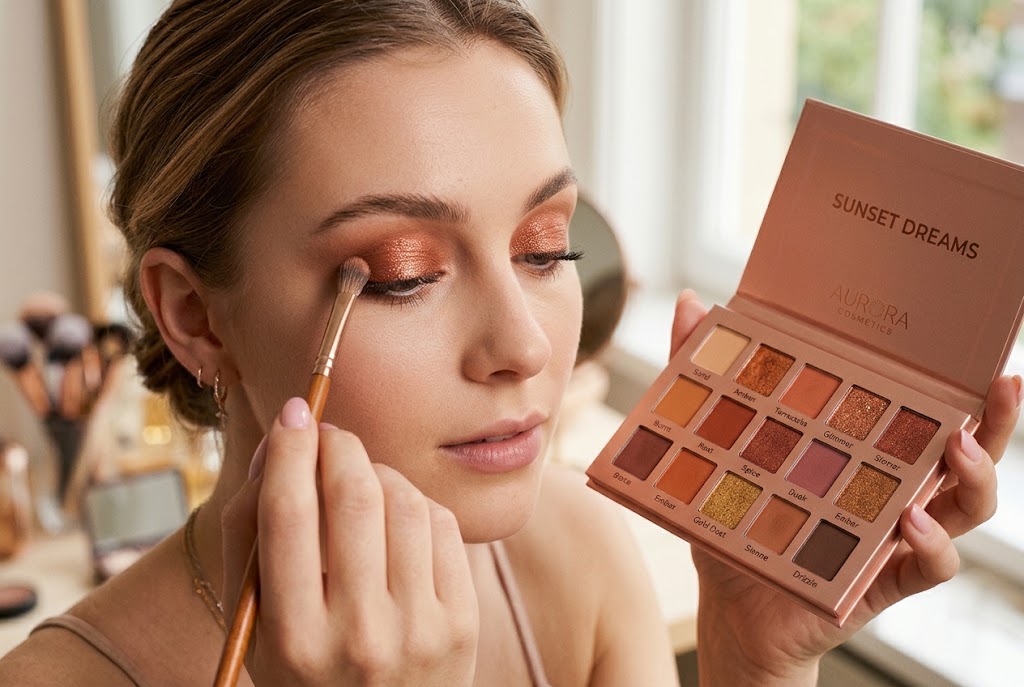
A palette needs a clear reason to exist. The shade story may be based on a season, a customer profile, a color family, a professional use case, or a specific retail price point. Start by defining the hero shade, the everyday shades, the transition shades, the deepening shades, and any shimmer or special-effect shades.
The number of pans should support the story rather than simply increase the perceived value. A smaller palette can be easier to explain, carry, and replenish, while a larger palette can serve artists or customers who want more looks. Map the combinations before asking for a final layout so the formula and packaging teams understand the intended use.
Translate Color Ideas into a Formula Brief
Formula Brief
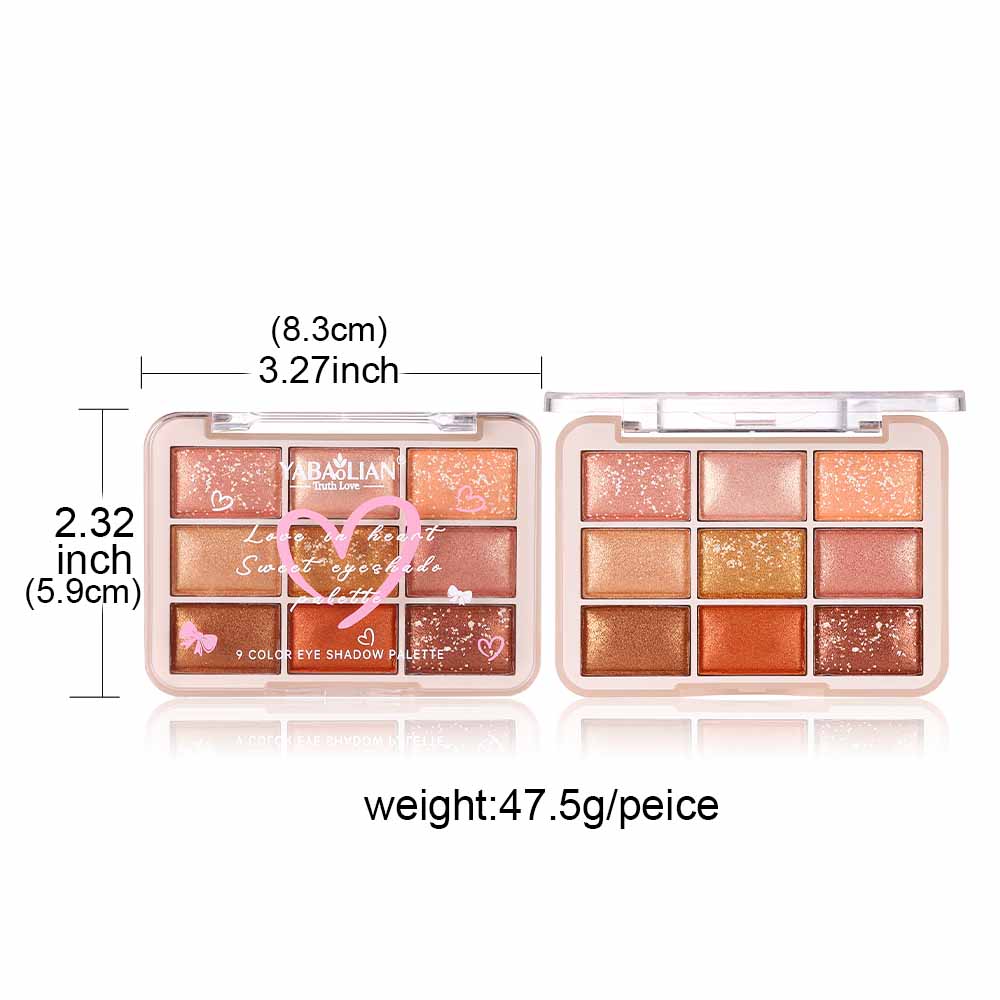
A shade name is not a complete formula brief. Explain the desired finish, pigmentation, buildability, blendability, texture, fallout tolerance, and application tool. Matte, shimmer, metallic, satin, and glitter effects may require different development approaches and different expectations during testing.
BAOLISHI describes formula customization and a professional laboratory for product development. The buyer should still provide reference swatches, competitor samples where permitted, target ingredient preferences, restricted-ingredient requirements, and the intended market. A clear brief reduces the risk of approving a color that looks correct under one light but performs differently on the skin.
Choose the Palette Structure and Material
Palette Structure
The palette case must protect the pans, keep the product clean, and support the user’s routine. Review the case material, hinge, mirror, closure, pan arrangement, insert, magnet or adhesive system, and whether the package can survive normal transport. The inside layout should leave enough space for the brush or finger to pick up product without contaminating adjacent shades.
Decoration should be selected together with the brand position. Printing, hot stamping, metallic details, windows, and special finishes can change the cost and the production lead time. Request a physical package sample because artwork on a screen cannot show the actual reflection, texture, closure strength, or the way the palette feels in the hand.
Plan Testing and Compliance Evidence
Testing and Compliance
BAOLISHI states that raw materials and finished products are checked for microbiological and heavy-metal requirements, with inspection during production. For a new palette, the buyer should request the applicable test plan, product specification, ingredient information, stability expectations, packaging compatibility, and documents required by the target market.
Testing should also reflect real use. Check pan adhesion, breakage after transport simulation, powder fallout, closure durability, mirror protection, shade consistency, and the interaction between the formula and the package. If the palette includes special effects or pressed glitter, define the acceptance standard for surface appearance and particle distribution.
Use Samples to Control Development Risk
Sample Review
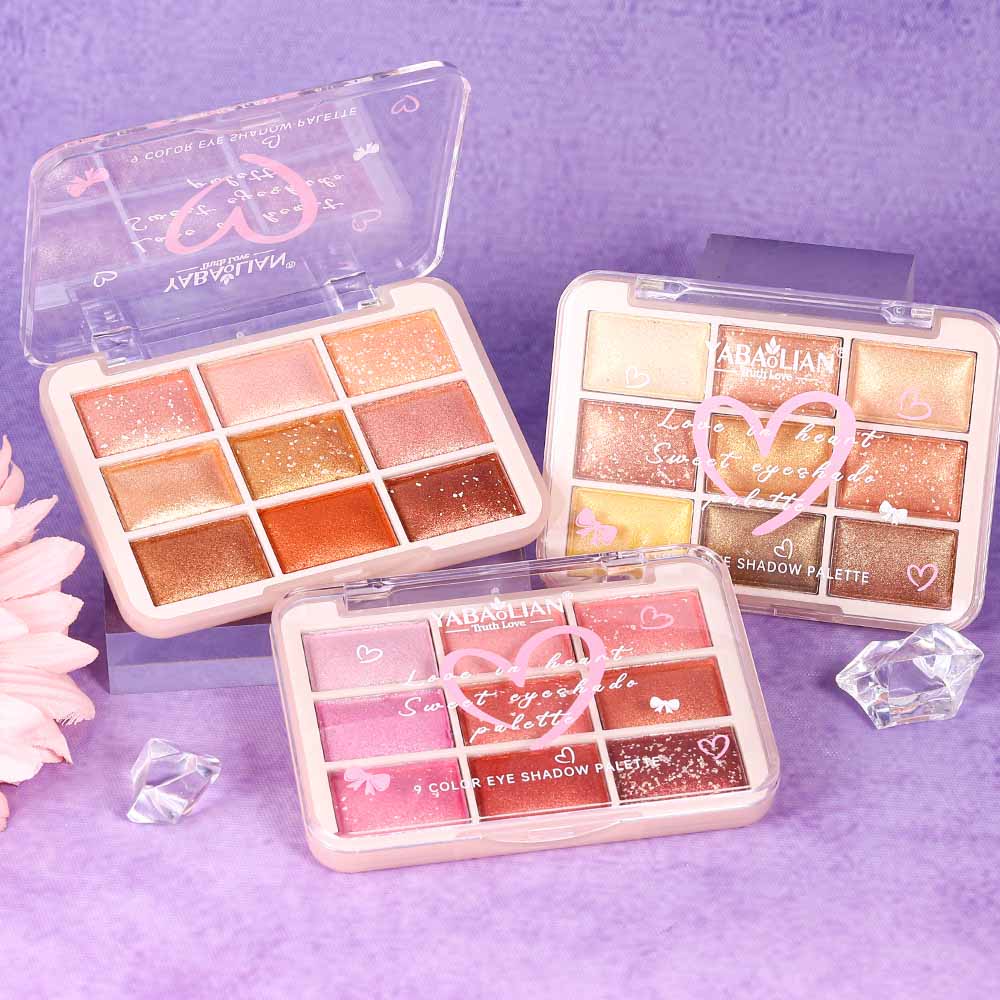
A useful development process separates color approval, formula approval, package approval, and final assembly approval. Keep records for the shade code, formula version, pan size, fill weight, package dimensions, artwork, and inspection result. This makes later changes traceable and avoids confusion when several shades are revised at the same time.
Ask for a complete pilot sample, not only loose pans. The final sample should show how the palette opens, how the pans are positioned, how the mirror works, and how the product looks in the finished package. Any change after this stage should be reviewed as a new approval point.
Check Capacity and Small-Batch Flexibility
Capacity and Flexibility
A brand launch may start with a trial quantity and later move into repeat production. Small-batch flexibility is valuable when a brand is validating a new shade story, but it should not be confused with unlimited customization at low cost. Ask which parts can be standardized, which materials require a minimum commitment, and how the factory protects the approved standard when the order grows.
Coordinate Packaging, MOQ, and Replenishment
Packaging and Replenishment
The palette MOQ can be influenced by formula development, pan tooling, case tooling, printing, inserts, and carton packaging. Request separate quantities for development samples, pilot production, first order, and repeat order. Also confirm whether the same case and pan layout can be reused for future shade collections.
Conclusion
A successful custom eyeshadow palette begins with a focused shade story and continues through formula development, package engineering, testing, approval, and replenishment planning. Use representative samples and written specifications to control each stage. BAOLISHI can be evaluated for formula customization, packaging coordination, and production support, with the final scope confirmed against the palette’s market, quantity, and compliance requirements.
Contact us today to discuss your custom eyeshadow palette requirements and start developing a solution tailored to your brand.
FAQ
Q: How many shades should a first custom eyeshadow palette include?
A: There is no universal number. Choose enough shades to create the intended looks without adding colors that overlap or are difficult to explain. Consider the target customer, price position, packaging size, application routine, and replenishment strategy. A focused palette can be easier to launch and validate.
Q: Can a manufacturer match a reference eyeshadow color?
A: A manufacturer can usually develop toward a reference, but the result depends on pigments, finish, lighting, base formula, and application thickness. Provide physical swatches or approved references where possible, then evaluate the sample on skin and under consistent light before approving the shade.
Q: What should be tested on an eyeshadow palette?
A: Test shade appearance, pigmentation, blendability, fallout, pan adhesion, fill weight, packaging closure, mirror protection, transport resistance, and formula-package compatibility. The exact compliance documents depend on the target market. Ask the supplier to provide the applicable testing and ingredient information for the project.
Q: What information should be included in a palette brief?
A: Include the number of shades, finish types, target weight, pan size, package dimensions, material preferences, decoration, mirror, brush, target quantity, market, delivery date, testing needs, and packaging level. Reference images are useful, but a written functional brief is needed for an accurate project proposal.