
How to Choose a Lip Gloss Manufacturer for a Custom Beauty Line
-

 author
28th August 2026
author
28th August 2026
A strong lip gloss manufacturer helps a beauty line turn a trend-led idea into a wearable product with the right texture, shine, color payoff, applicator, packaging feel, and repeatable production support. For private label brands, the best partner is not simply the one with the widest catalog. It is the one that can connect formula behavior, shade direction, tube design, and practical launch timing without making the finished product feel generic.
What Makes a Lip Gloss Manufacturer Worth Choosing
Formula Feel and Wear
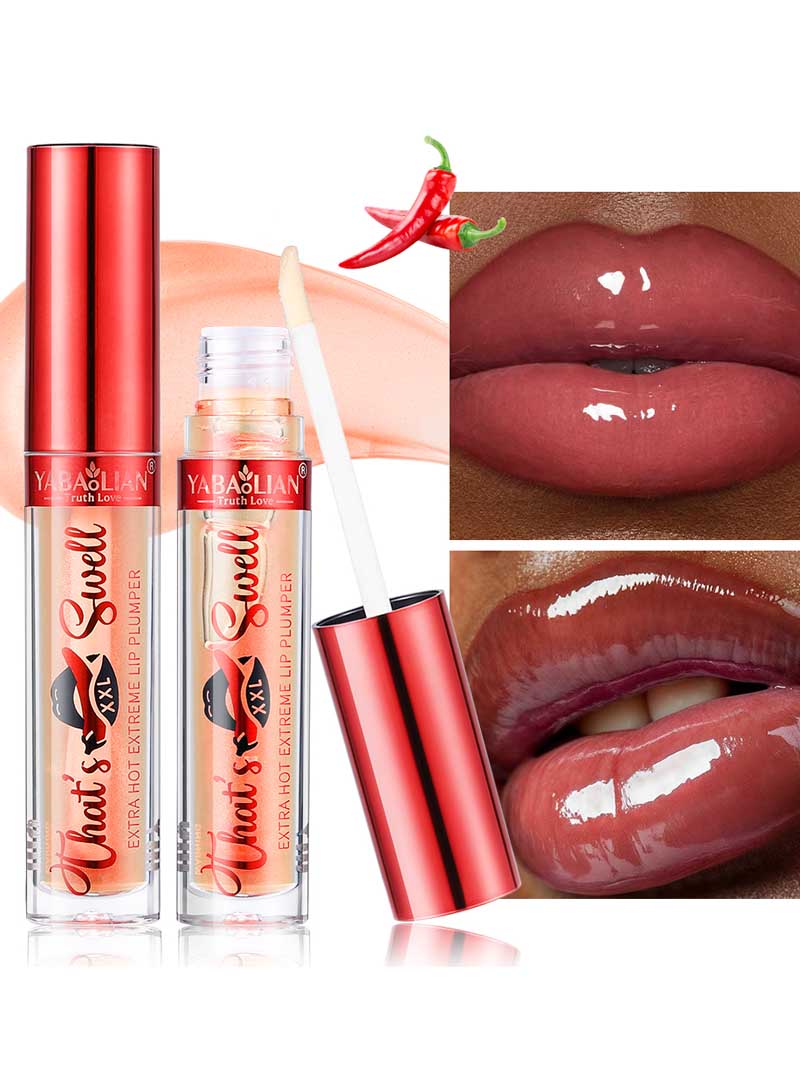
Lip gloss looks simple on a product page, but the user experience is built from small details. A good formula should spread evenly, sit comfortably on the lips, and keep enough cushion to feel smooth rather than sticky. Shine, translucency, pigment level, and film strength all shape whether the product feels like a daily gloss, a plumping gloss, a lip oil hybrid, or a statement lip topper.
The current market is moving toward glosses that do more than add reflection. Consumers look for hydration, a fuller-looking lip effect, soft color, and longer wear, while still expecting a lightweight feel. BAOLISHI works across lip makeup categories such as lip gloss, lipstick, lip balm, lip oil, and lip liner, which makes it easier to think about a lip range as a coordinated product family instead of one isolated SKU.
Shade, Shine, and Finish Options
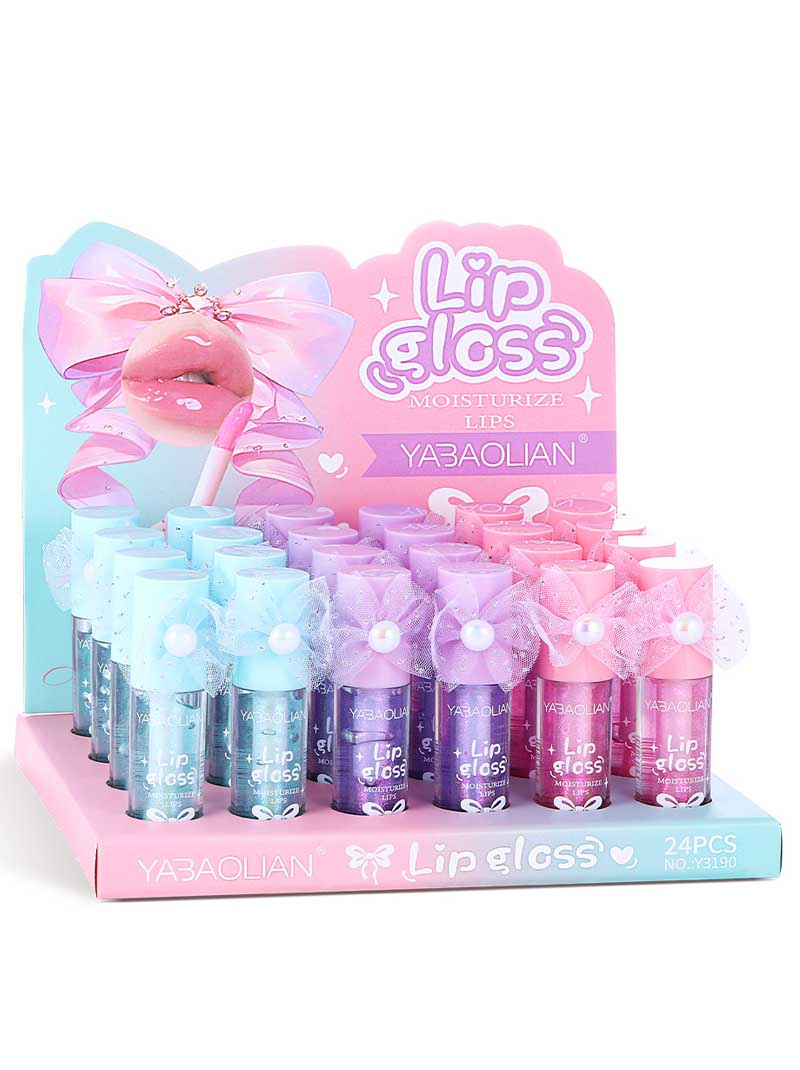
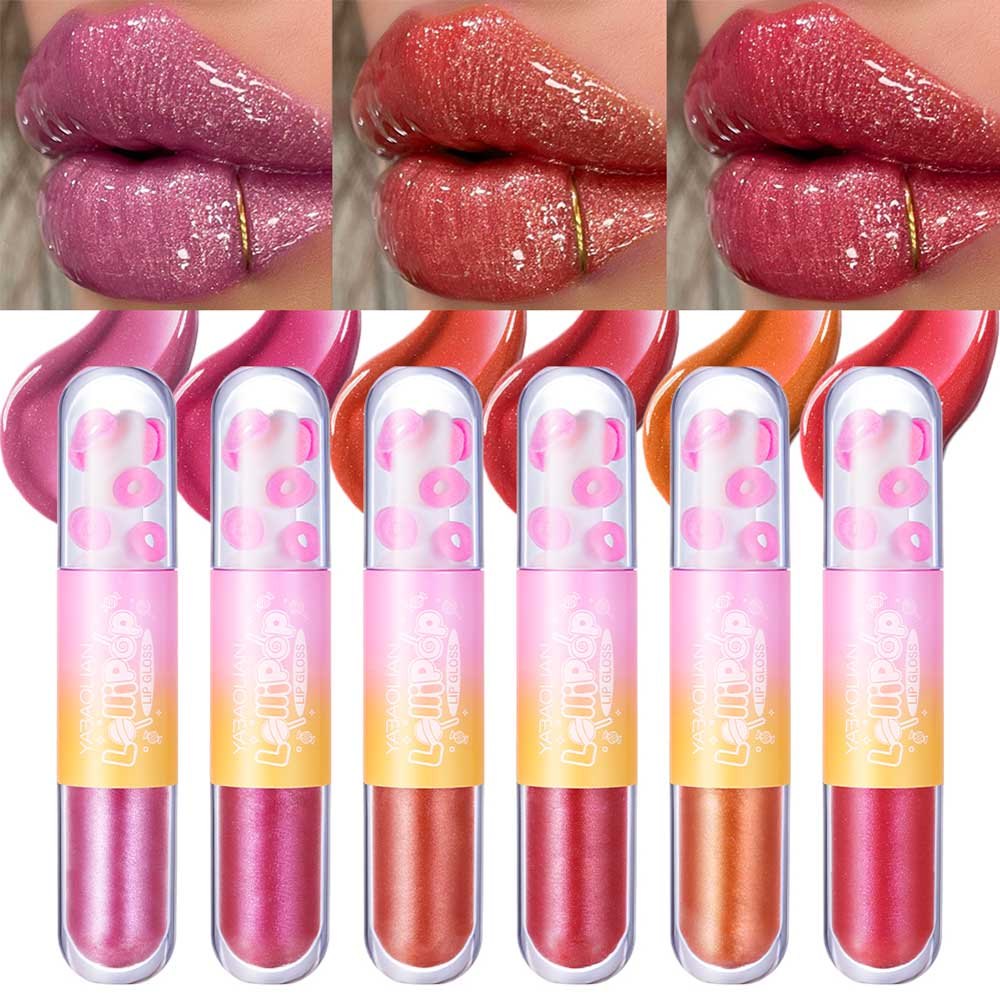
A custom lip gloss line usually begins with finish decisions. Clear gloss can support a clean beauty routine or pair with lipstick; shimmer gloss creates a more playful, light-catching look; tinted gloss sits between makeup and lip care. A brand should test how each finish appears on bare lips, over lipstick, and under different lighting before deciding which direction deserves a full launch.
Color also has to match the intended audience. A soft pink may work for everyday retail, while deeper berry, brown nude, or translucent coral shades may speak better to seasonal edits or influencer-led collections. When a manufacturer can adjust color, inner material, fragrance, product state, tube style, and logo direction, the brand gains more control over both performance and shelf identity.
How Private Label Lip Gloss Moves from Concept to Shelf
Stock Options for Faster Testing
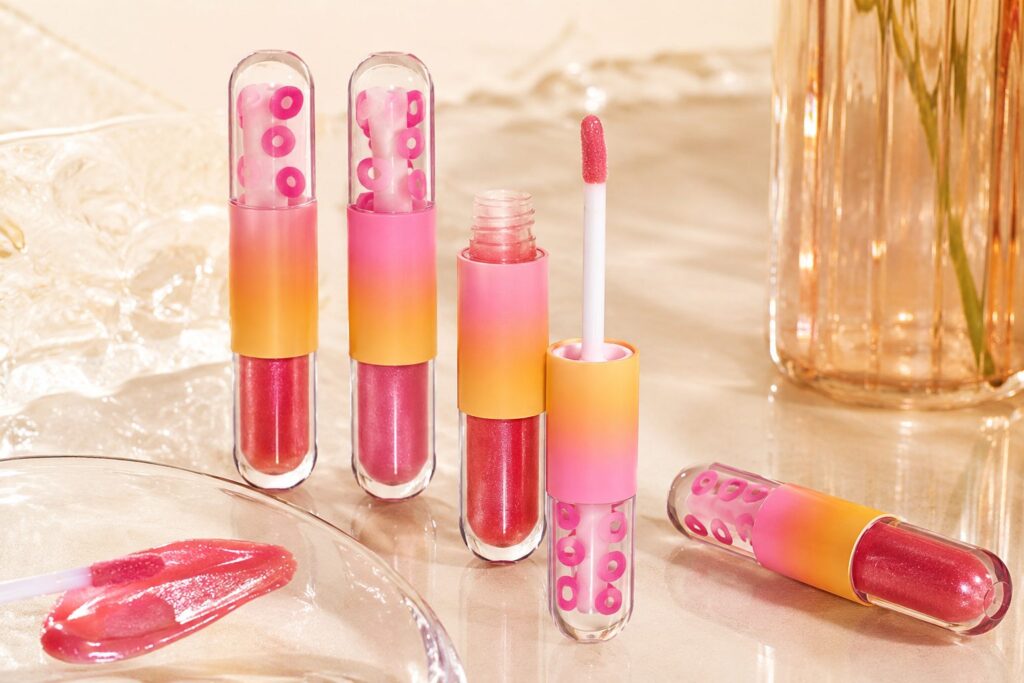
Not every beauty concept needs to begin with a long development cycle. For a young brand, retailer test, pop-up channel, or social campaign, stock lip gloss options can reduce friction because the team can focus on shade curation, packaging presentation, and audience feedback first. That path is especially useful when the goal is to understand what customers respond to before deeper formula customization.
BAOLISHI can support small-batch availability through existing products, while larger projects can move into OEM/ODM customization. This matters because early-stage beauty decisions are often iterative. A brand may begin with a proven gloss texture, then refine the finish, scent, packaging, or product story once real customer response becomes clearer.
OEM ODM Lip Gloss for Custom Brand Direction
OEM and ODM routes serve different creative needs. OEM is practical when the brand already understands the desired formula feel, color family, applicator style, and packaging direction. ODM is often better when the brand needs broader development support, including formula suggestions, sample interpretation, and a clearer path from idea to finished lip product.
For private label lip gloss, the most useful discussions are rarely about a single parameter. A development team should compare glide, tack level, glassy shine, fragrance tone, color transparency, applicator pickup, and the way the product layers through the day. Those observations lead to a more reliable brief than asking for a gloss to be simply “long-lasting” or “high shine.”
Packaging Details That Shape the User Experience
Tubes, Applicators, and Visual Identity
Lip gloss packaging is part of the formula experience. The tube controls how the product is seen before use, while the applicator affects pickup, spreading, edge control, and comfort. A thicker gloss may need a different wiper balance than a fluid lip oil, and a plumping gloss should feel easy to apply without overloading the lips.
This is where a lip gloss supplier with a broad makeup range can help a brand avoid mismatches between formula and component. A beautiful tube cannot compensate for poor applicator control, and a comfortable formula may still disappoint if the packaging leaks, feels flimsy, or fails to communicate the intended price position.
Portable and Giftable Formats
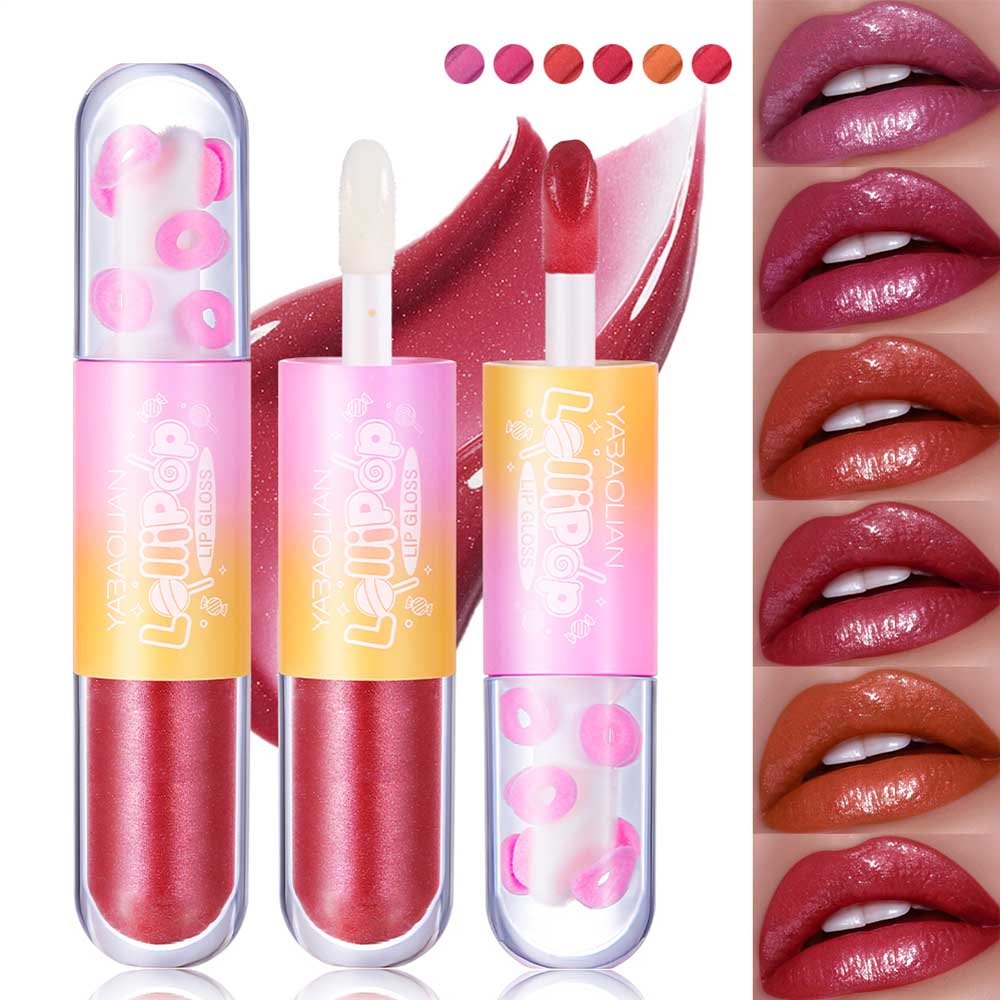
Lip gloss tends to be purchased as a spur-of-the-moment purchase, a recurring purchase, and even as an addition to a gift. Lip gloss packaging that is convenient to carry, dual-purpose packages, keyring packages, and small tubes make the lip gloss seem conveniently portable and conveniently recommended. These are not just superficial attributes; they have a major impact on frequency of use and ease of integration into routine.
A useful packaging review should include real handling. Check how the cap closes, how the wand returns through the wiper, whether the tube stays clean after use, and how the product looks in a pouch or retail display. For lip gloss wholesale programs, this kind of practical review can protect the collection from looking good in photos but feeling weak in real use.
Where BAOLISHI Fits in Lip Gloss Development
BAOLISHI offers a comprehensive range of beauty products for eyes, lips, face, cheeks, eyebrows, makeup remover, body makeup, and hand cream. Lip makeup includes lip gloss, lip oil, lipstick, lip liner, and lip balm.
The customization scope can include formula direction, color, aroma, product state, tube style, packaging design, and logo application. The brand can also think across adjacent categories, such as pairing gloss with lip balm for care-led positioning or with lipstick for a richer color story. Used well, a lip gloss manufacturer becomes part of product editing, not just production execution.
Conclusion
Selecting a lip gloss producer is ultimately a question of product cohesion. Comfort formula, gloss, color family, applicator precision, package touch and brand integration all need to fit together prior to a lip gloss’s inclusion into a beauty range. BAOLISHI offers beauty companies a concrete means to integrate lip makeup creation with private label makeup line strategy, particularly in cases where test products and flexibility of options are needed.
Contact us to discuss a lip gloss concept that feels polished, wearable, and aligned with your next beauty line.
FAQ
Q: What should a brand check before choosing a lip gloss manufacturer?
A: Review the formula feel, shine level, tackiness, color payoff, fragrance, applicator pickup, tube quality, and packaging direction together. A strong sample should feel comfortable during wear and look consistent in real use. The manufacturer should also support a development path that fits the brand’s timeline and product positioning.
Q: Can BAOLISHI support private label lip gloss?
A: Yes. BAOLISHI supports private label makeup development across lip categories, including lip gloss, lip oil, lipstick, lip liner, and lip balm. Customization can include formula direction, color, aroma, product state, tube style, packaging design, and logo application, depending on the project scope and selected development route.
Q: Is stock lip gloss or OEM ODM development better for a new brand?
A: Stock options are useful when a brand wants faster testing, smaller starting quantities, or a simple first product edit. OEM/ODM development is better when the brand needs a more distinctive formula, finish, fragrance, tube, or collection identity. Many teams start with a practical test, then refine based on customer response.
Q: Why does packaging matter so much for lip gloss?
A: Packaging affects both presentation and application. The tube shapes shelf appeal, while the applicator controls product pickup, spreading, and edge comfort. A good formula can feel less impressive if the component leaks, overloads the wand, or looks mismatched with the brand’s price position and visual identity.