
How to Choose Lip Gloss Wholesale: A Complete Buyer’s Guide
-
 author
6th November 2026

Wholesale lip gloss sourcing is an extremely efficient way for beauty brands, retailers and distributors to quickly establish a lip color range that will continue to sell throughout the seasons. As products are minuscule in size, very low in weight and thus extremely cost efficient to ship, combined with repeat purchase potential, they can provide an efficient route for online retailers and mail order companies in particular. This article will discuss the points you should consider when selecting a wholesale lip gloss supplier, and the main points that you should check prior to placing your initial order. We will also outline the main differences between purchasing from the stock range of your wholesale supplier and your custom private label lip gloss range. We shall refer to examples from a manufacturer’s daily business, that of BAOLISHI, a well established lip gloss OEM and ODM manufacturer based in Yiwu.
Evaluating a supplier affects your margin, lead time and whether customers will come back for additional shades. Whether you’re conducting a test launch with a small stock order or are building out a complete private label line, the evaluation process is the same. The supplier you choose affects what initial documentation you’ll need to review.
Stock Lip Gloss Wholesale vs. Private Label: Choosing the Right Sourcing Model
Stock lip gloss wholesale is lip gloss that the manufacturer has already made up under their own brand name. Some stock orders have minimums as low as around 500 pieces and can ship quickly when inventory is available. This type of product is perfect for retailers, on-line retailers, and start-up companies who are testing out colors and prices before committing to making their own brand of lip gloss.
Private label lip gloss works the other way around. You choose the formula, color, fragrance, tube, and logo, and the manufacturer produces for your brand. Customization carries a higher minimum order quantity, typically around 10,000 pieces or more depending on the product and customization, and a longer cycle, because color matching, packaging production, and bulk filling all run before the order ships.
Most of our buyers start out with purchasing stock colors and transition to private label once a particular shade proves itself. One manufacturer supports both stock and private label manufacturing and treats both scenarios with the same quality system, same paperwork and same contact person as you grow.
How to Evaluate a Lip Gloss Wholesale Manufacturer
Certification is the first filter. A serious factory holds ISO 22716:2007 (cosmetics GMP) and GMPC certification and keeps market-specific registration on file; BAOLISHI, for example, lists US FDA registration FEI 3012568948. Material Safety Data Sheets and other supporting documents should be available where required by the relevant market, distributor, marketplace, or shipping method.
Production capacity is the key to a supplier being able to carry your program on an ongoing basis. A supplier with ten production lines, a production facility of around 12,800 square meters and delivering in the millions of pieces per month, is able to ride out seasonal peaks and prevent normal reorders from becoming rush orders. Look for suppliers who can advise on how many shades and units a line can produce on a daily basis and how custom production will be scheduled in relation to stock production.
The manufacturer’s track record is almost as important as their hardware. A manufacturer that has worked with thousands of brands and clients has already perfected the art of shade matching, applicator fitting, preventing leakage during transportation and ensuring label compliance across markets. A sample room holding more than 1,000 references allows for comparison of different finishes. A basic clear base can be compared with a retail-ready wholesale moisturizing lip gloss, for example, rather than simply being shown in a catalog.
Formula, Finish, and Packaging Decisions
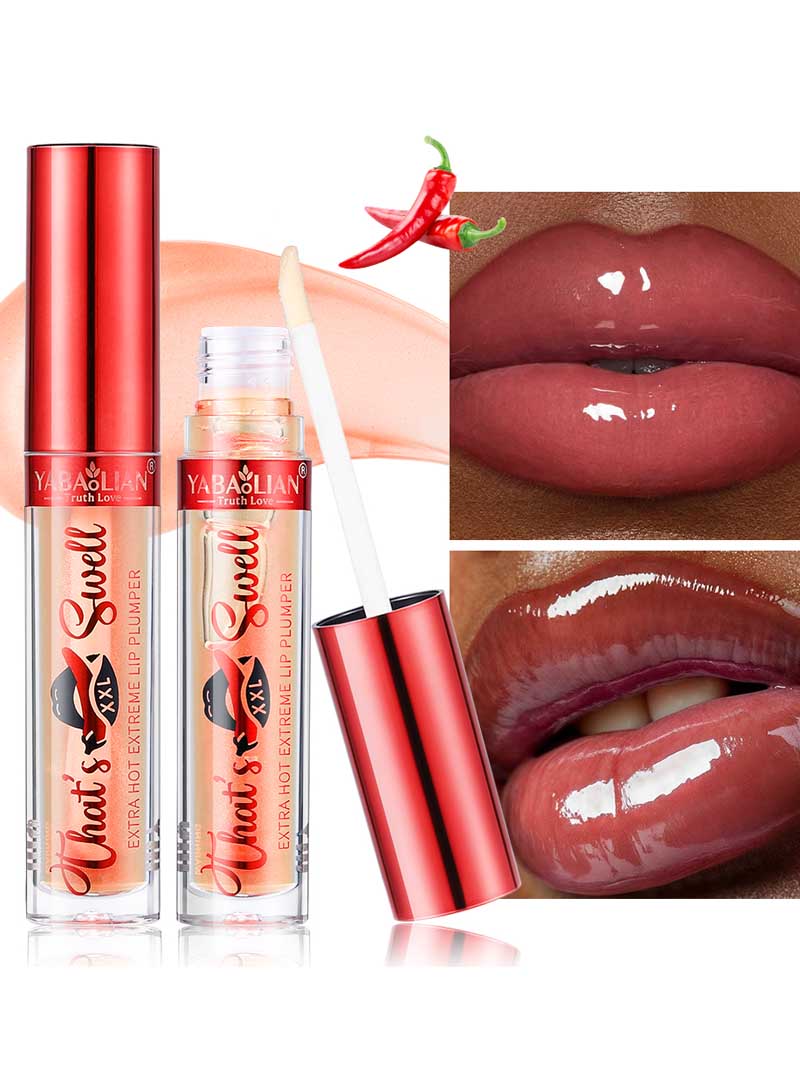
Gloss formulas divide into clear, tinted, shimmer, and specialty types such as plumping or color-changing versions. A clear or lightly tinted vegan gloss can be a simpler starting option, while specialty textures support higher price points. Agree on the formula type before discussing shades, because base viscosity affects the applicator and tube choice.
Finish and wear are evaluated at the sample stage – gloss, tack, delivery from the doe foot applicator and wear over several hours. A claim such as long wear must be supportable and suppliers that promise quantifiable performance figures need to be able to back them up.
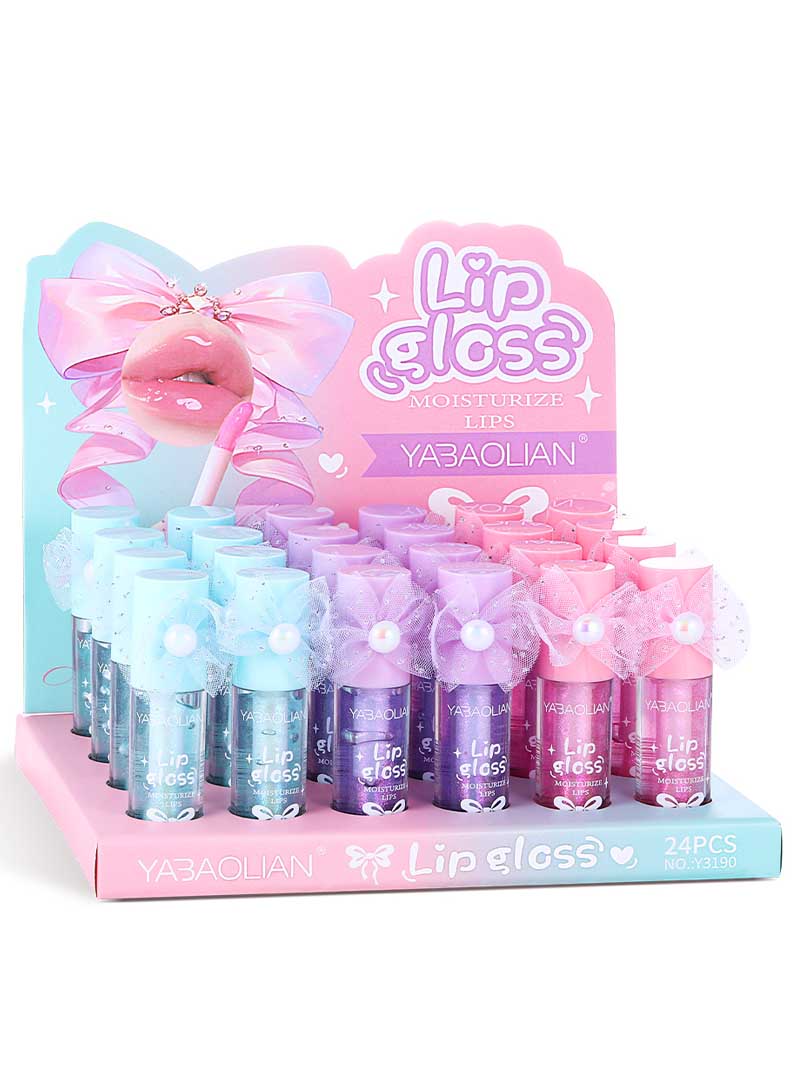
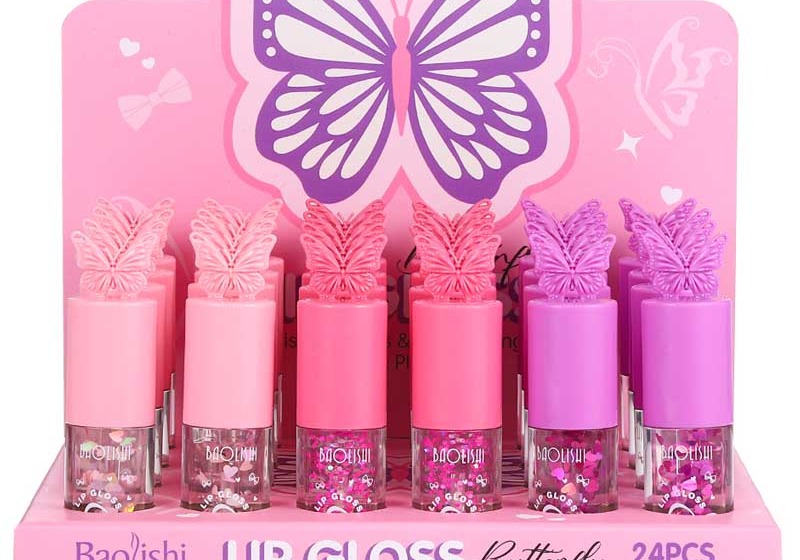
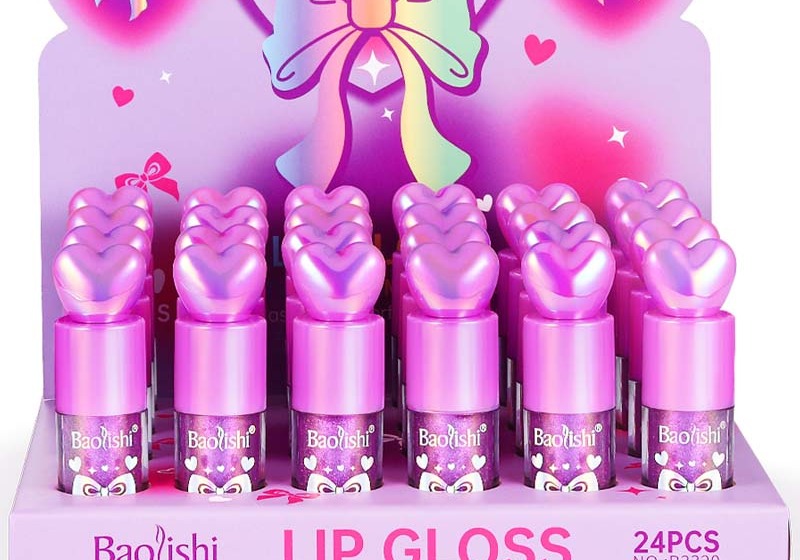
Packaging is a purchasing decision and therefore not an afterthought. Dimensions of individual units, fill weight and applicator type all affect delivery cost and store shelving. Use display trays with fixed slots to simplify re-stocking of stores by retail partners. Check packed dimensions and gross weight per carton before comparing quotations.
Private Label Customization: What Can Actually Be Changed
A full-service OEM and ODM factory customizes more than the logo. Standard levers include formula base, color, fragrance, product state, tube shape and cap, applicator style, and secondary packaging. Expect a workflow that runs from brief and shade reference to color sample, then to a pre-production confirmation before bulk filling.
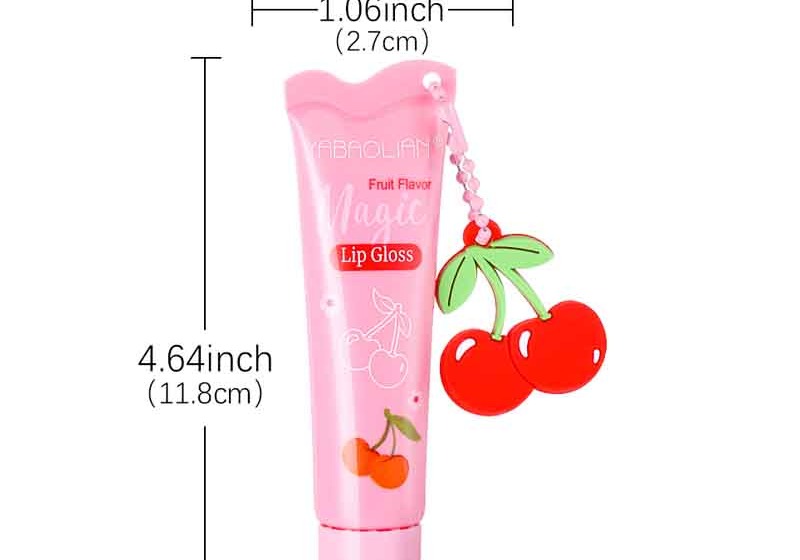
Plan your calendar around the sampling of colors. Color matching generally takes around 15 days to complete, while full custom production timing depends on the formula, packaging and order requirements and may take 20 days or more. Late changes to the artwork will also reset the calendar for the bulk of the products. The packaging also needs to be planned for in the same amount of time, i.e. a tube with a charm, such as a fruit flavored lip gloss with a keychain attached, will be perceived as a more expensive gift item at point of sale.
Sampling and Quality Control Before the First Bulk Order
NEVER SCALE BEFORE THE SAMPLE HAS BEEN APPROVED. Make physical samples of all shades and test against reference for color on lips, gloss, fragrance, application and packaging fit. For custom work, ensure that pre-production sample matches approved color standard. This is a common quality risk in lip gloss wholesale programs – shade drift between batches.
Acceptance criteria should be defined with the factory in writing. These will typically include check weight within specified tolerance, seal test for no leakage, clean and correct labeling and marking of cartons. Regulatory documents such as MSDS/SDS, list of ingredients and copies of certificates should be provided where required by the relevant market, distributor, marketplace, or shipping method.
If you are starting from stock, a small first order of around 500 pieces will give you a first read on the sell-through of the various custom shades that you will require on an on-going basis. Subsequent re-orders of your stock shades are easy to order as they are already in production. The factory will typically include a copy of their standard inspection checklist with your first quotation. Many suppliers to overseas programs keep a copy on file.
Build Your Lip Program With the Right Wholesale Partner
When choosing a supplier for your lip gloss wholesale online business, there are four key things to look for: supplier certifications for your markets, supplier capacity to fulfill your program, supplier customization to meet your brand needs at your brand stage, and the supplier’s sampling process to verify what they say. A great supplier that has all four of these in place is BAOLISHI, a vegan and cruelty-free OEM and ODM manufacturer of lip gloss and other products in business since 2003 with ISO 22716, GMPC and FDA registration. You can review their complete line of lip gloss and lip stain products here. Then just request samples before your first large bulk order.
FAQ
Q: What is the minimum order quantity for lip gloss wholesale?
The minimum order quantity depends on the sourcing model. If you want to order stock lip gloss from the manufacturer’s own brand then the minimum order quantity can be around 500 pieces. This is great for testing out a new shade or for a new sales channel. For private label programs the minimum order quantity is typically around 10,000 pieces or more depending on the product and customization, as this allows for color matching, packaging production and bulk filling.
Q: How long does custom lip gloss production take?
This would typically be a 2 stage process. The first stage being the color matching and approval of samples which takes approximately 15 days. The second stage being the bulk production, with timing depending on the formula, packaging and quantity required and potentially taking 20 days or more. Stock products are typically produced and then shipped from stock.
Q: Are the lip glosses vegan and cruelty-free?
Selected BAOLISHI lip gloss products are listed as vegan. The factory does not conduct animal testing. Check the current formula, ingredient information and supporting documentation for the selected product before making vegan or cruelty-free claims.
Q: What certifications should a lip gloss manufacturer hold?
Look for ISO 22716:2007 cosmetics GMP and GMPC certification as the manufacturing baseline, plus market-specific registration such as US FDA facility registration; BAOLISHI’s FDA registration number is FEI 3012568948. MSDS/SDS and full ingredient documentation should be available where required by the relevant market, distributor, marketplace, customs, or shipping method.